
Beautiful Plants For Your Interior
Beautiful Plants For Your Interior
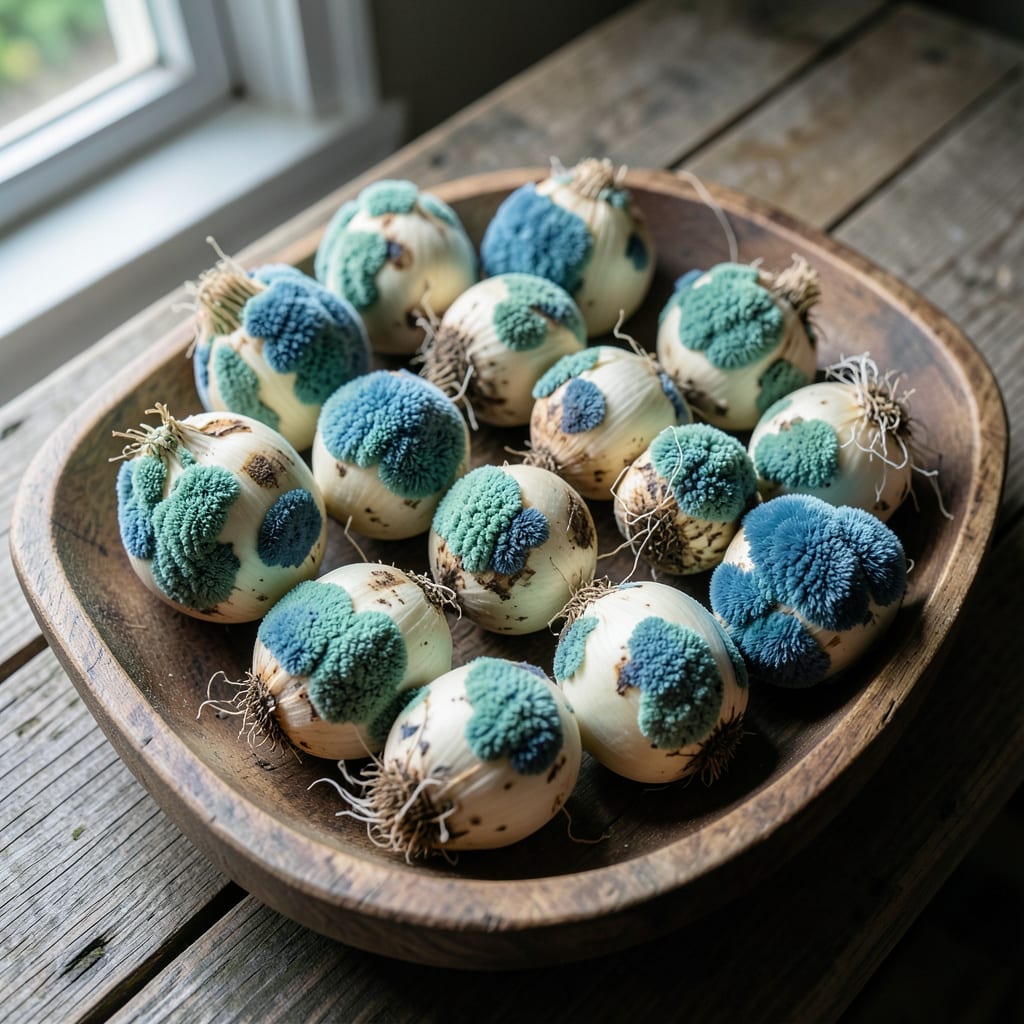
White fuzz on your tulip bulbs means trouble. I found my first moldy batch after a damp fall storage mishap—lesson learned the hard way.
The culprit is usually excess moisture combined with poor airflow. Most gardeners don’t realize bulbs can rot in storage just as easily as in the ground. A simple fan and proper spacing prevent most issues.
Catching it early saves your spring display. Look for soft spots, dark streaks, or that telltale fuzzy coating. These signs mean it’s time to act fast.
With the right approach, you can salvage healthy bulbs and stop the spread. Here’s how to clean up and store properly going forward.
Mold growth on tulip bulbs is a common issue, often tied to environmental and storage conditions. Here’s why it happens:
Tulip bulbs thrive in well-drained soil, but excess moisture—whether from overwatering, poor drainage, or high humidity—creates the perfect breeding ground for mold. Fungal spores, naturally present in soil, activate and multiply in damp environments, leading to Botrytis or Penicillium infestations.
Storing bulbs in dark, warm, or humid spaces accelerates mold growth. Tulip bulbs need cool (40–50°F), dry, and ventilated storage to prevent spores from germinating. Cardboard boxes or plastic bags trap moisture, so opt for mesh bags or open crates instead.
Mold spores can linger in reused soil or on gardening tools. If bulbs are planted in infected soil or handled with dirty tools, spores hitch a ride directly to the bulb’s surface. Sterilizing tools with a 10% bleach solution and using fresh, well-draining soil reduces this risk.
Bruised or cut bulbs are more susceptible to mold. Even minor nicks or cracks during digging, cleaning, or storage expose the bulb’s interior to fungi. Handle bulbs gently and inspect them for damage before storing.
Addressing these root causes—moisture control, proper storage, sanitation, and careful handling—can significantly reduce mold risks for your tulip bulbs.
Mold on tulip bulbs can be frustrating, but these practical solutions will help you restore their health and prevent future issues.
If the mold is surface-level and white or gray, gently brush it off with a soft cloth or toothbrush. Do not use water—this can spread spores. Instead, place bulbs in a dry, well-ventilated area for 24–48 hours to ensure they’re completely moisture-free. For stubborn spots, dip a cloth in rubbing alcohol (70% isopropyl) and lightly wipe the bulb, then let it air-dry.
Bulbs with deep, black, or slimy mold—or those that feel soft or mushy—should be discarded immediately to protect healthy bulbs. Seal them in a bag before tossing to prevent spores from spreading. Inspect the rest of your stock and isolate any with early signs of infection.
If mold appears in potted bulbs, remove the bulb and check for rot. Replace the soil with fresh, sterilized potting mix and a fungicide like copper-based spray or neem oil. Ensure pots have drainage holes to avoid waterlogging. For garden beds, improve airflow by spacing bulbs 4–6 inches apart and amending heavy soil with sand or compost.
Act quickly at the first sign of trouble, and your tulips will thank you with vibrant blooms next season! ✨
Not always. Early mold may appear as faint discoloration before fuzzy growth develops. Check for soft spots or unusual odors too.
Only after cleaning with rubbing alcohol and drying thoroughly. Plant in fresh, well-draining soil and monitor closely.
Properly cleaned and dried bulbs last 6-8 months in cool, dry, ventilated storage. Inspect monthly for new issues.
Yes, mold spores travel easily. Isolate affected bulbs immediately and increase airflow around stored stock.
