
Beautiful Plants For Your Interior
Beautiful Plants For Your Interior
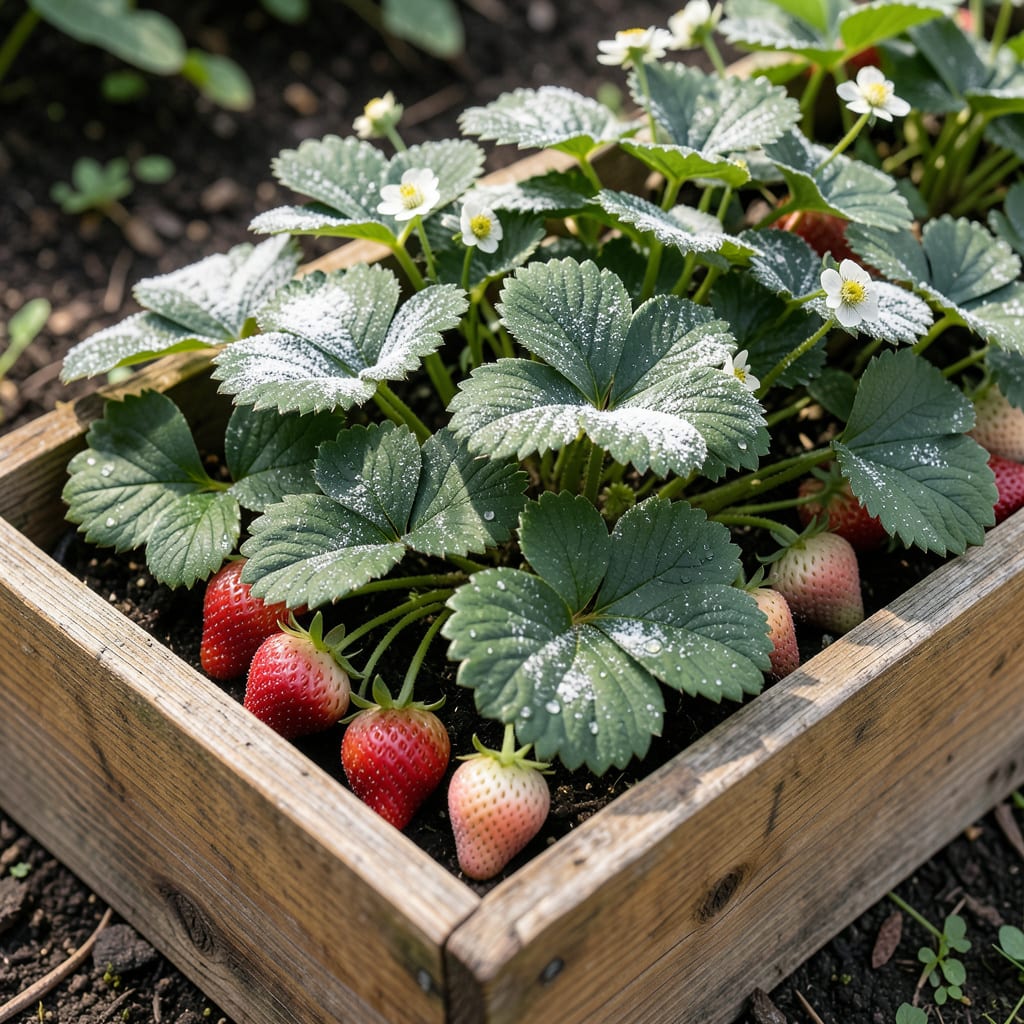
Gray fuzz on your strawberry leaves means trouble. I spotted this last spring and lost half my crop before realizing what was happening.
The problem spreads fast in wet conditions, but you can stop it with simple treatments and better airflow. I switched to morning watering and added space between plants—game changer.
Natural solutions like baking soda spray work just as well as chemicals, without the worry. My plants recovered within 2 weeks of consistent care.
Prevention is easier than cure. Start with clean soil, proper spacing, and watch for early signs. Your next harvest can stay mold-free.
Mold on strawberry plants often stems from environmental and cultural factors that create ideal conditions for fungal spores to thrive. Below are the primary causes, explained with actionable insights to help you address them.
Strawberries are susceptible to mold when exposed to prolonged dampness. Overwatering, poor soil drainage, or frequent rain can saturate the soil, reducing oxygen availability to the roots. This stress weakens the plants, making them more vulnerable to fungal infections like Botrytis cinerea (gray mold) or Powdery Mildew. Solution: Ensure your strawberry beds have well-draining soil, and water at the base of the plant to keep foliage dry.
When strawberry plants are spaced too closely, air circulation is restricted, trapping humidity around the leaves and fruits. This stagnant, moist environment is a breeding ground for mold spores. Solution: Thin out plants to maintain a spacing of 12–18 inches apart, and prune excess runners to improve airflow.
Mold thrives in humid conditions (above 70% relative humidity) combined with temperatures between 60–80°F (15–27°C). These conditions accelerate spore germination and spread. Solution: Use mulch to reduce soil splashing (which spreads spores), and consider row covers or fungicidal sprays during peak humidity periods.
A lack of potassium or calcium can weaken strawberry plants, reducing their natural resistance to fungal diseases. Conversely, excess nitrogen promotes lush foliage, which can shade fruits and retain moisture. Solution: Conduct a soil test and amend with balanced fertilizers, prioritizing potassium-rich options like wood ash or compost.
Decaying plant debris, fallen leaves, or overripe fruits left in the garden harbor mold spores that can reinfect healthy plants. Solution: Remove and destroy infected plant material immediately, and keep the garden bed clean to minimize spore overload.
Mold on strawberry plants can be frustrating, but these practical solutions will help you restore health to your garden. Tackle the issue by addressing the root cause with targeted fixes.
If excess moisture is the culprit, reduce watering frequency and ensure your plants have well-draining soil. Water at the base in the morning so leaves dry quickly. Use drip irrigation to avoid wetting foliage. Prevention tip: 💡 Add mulch to retain moisture without waterlogging roots.
Thin out dense plantings to increase airflow and reduce humidity. Space strawberry plants at least 12–18 inches apart. Prune excess leaves and remove weeds that trap moisture. Prevention tip: 🌬️ Plant in raised beds for better circulation.
For gray mold (Botrytis) or powdery mildew, spray affected plants with neem oil or a baking soda solution (1 tsp baking soda + 1 quart water + a few drops of dish soap). Apply in the early morning or late evening. Prevention tip: ✨ Rotate crops annually to prevent fungal buildup in the soil.
Remove old leaves, fallen berries, and dead plant matter immediately to eliminate mold breeding grounds. Sanitize gardening tools with rubbing alcohol to avoid spreading spores. Prevention tip: 🗑️ Keep the garden bed tidy and dispose of debris far from plants.
If humidity is unavoidable, use a fan to improve airflow in greenhouses or covered areas. Avoid overhead watering in humid climates. Prevention tip: 🌡️ Choose resistant varieties like ‘Albion’ or ‘Seascape’ for damp conditions.
Consistency is key—monitor plants weekly and act at the first sign of mold to keep your strawberry patch thriving!
Yes, gray mold spreads quickly through spores carried by wind, water, or tools. Remove infected plants immediately to protect your entire garden.
Discard any berries touched by mold, even if it looks fine. Mold can produce toxins harmful to humans. Always inspect fruit before eating.
Use baking soda solution every 7-10 days as prevention, or every 5 days during active infection. Apply in cool temperatures to avoid leaf burn.
Reinfection often occurs from hidden spores in soil or debris. Thoroughly clean the area and rotate crops to break the cycle. Consistency is key.
