
Beautiful Plants For Your Interior
Beautiful Plants For Your Interior
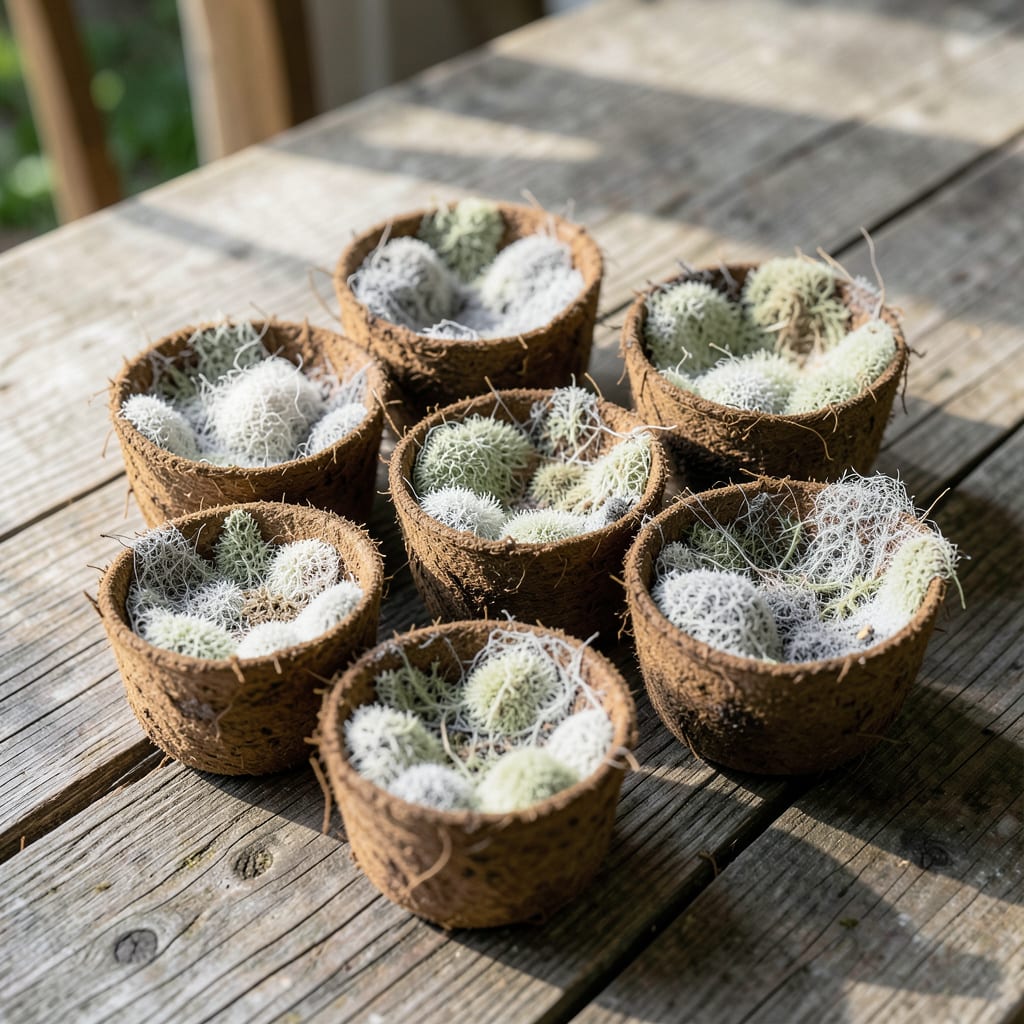
White fuzz on your peat pots isn’t a death sentence for seedlings. I’ve saved dozens of starts by catching the problem early and using simple fixes.
The key is understanding why it appears—usually too much moisture and poor airflow. Most solutions require just household items like vinegar or baking soda.
Within 24-48 hours of treatment, you’ll see the mold retreating without harming your plants. The seedlings stay healthy and ready for transplanting.
Works for any peat pot setup, from windowsill starts to greenhouse trays. Here’s how to handle it.
Mold on peat pots often stems from environmental and material factors that create ideal conditions for fungal growth. Below are the primary causes, explained with actionable insights.
Peat pots are highly absorbent, retaining water longer than plastic or ceramic containers. When overwatered or left in poorly drained trays, the excess moisture traps spores and accelerates mold colonization. Fusarium and Penicillium thrive in these damp, oxygen-depleted environments.
Peat is decomposed sphagnum moss, rich in cellulose—a carbon source that feeds mold. Unlike synthetic pots, peat’s organic structure harbors dormant spores from the manufacturing process. Sterilizing peat pots before use (via boiling water or hydrogen peroxide) can reduce this risk.
Greenhouses and indoor seed-starting setups often maintain high humidity (70%+) and temperatures between 70–85°F (21–29°C), which are perfect for mold proliferation. Poor airflow exacerbates the issue, as stagnant air prevents moisture evaporation.
Mold spores germinate more readily in low-light areas. Seedlings in crowded trays or under weak grow lights may develop mold on peat pot rims or soil surfaces due to reduced UV exposure, which naturally inhibits fungal growth.
Mold on your peat pots can feel alarming, but with the right steps, you can tackle it safely and effectively. Below are practical solutions mapped to common causes, along with prevention tips to keep your seedlings healthy.
If excess moisture is the culprit, reduce watering frequency and ensure pots have proper drainage. Let the top layer of peat dry slightly between waterings. Use a spray bottle for gentle, controlled hydration instead of soaking the pots.
Prevention tip: 💡 Water in the morning so excess moisture evaporates during the day, reducing mold-friendly dampness overnight.
Mold thrives in stagnant air. Move your peat pots to a well-ventilated area or use a small fan on low to circulate air gently. Avoid crowding pots together—space them out to allow airflow between them.
Prevention tip: 🌬️ Rotate pots daily to ensure all sides get even air exposure, especially in humid conditions.
If humidity is the issue, use a dehumidifier near your seedlings or place a moisture absorber (like silica gel) nearby. Grouping pots on a tray with a thin layer of dry sand or gravel can also help wick away excess moisture.
Prevention tip: 🎯 Avoid misting unless absolutely necessary, and if you do, mist lightly and early in the day.
For visible mold, gently remove the top layer of affected peat and discard it. Then, dab the area with a diluted hydrogen peroxide solution (1 part 3% peroxide to 4 parts water) to kill spores without harming seedlings. Let the pots dry in sunlight for a few hours afterward.
Prevention tip: ✨ Sterilize tools and trays with rubbing alcohol before reuse to prevent recontamination.
It’s safe if you treat it quickly. Remove visible mold and sanitize with hydrogen peroxide. Seedlings usually remain unaffected if the mold hasn’t spread to the soil or roots.
Yes, but only after thorough cleaning. Scrub with soapy water, rinse, and dry in sunlight. For stubborn cases, soak in a 1:4 hydrogen peroxide solution for 10 minutes.
Persistent mold usually signals ongoing moisture or poor airflow. Check for overwatering, crowded pots, or high humidity. Adjust conditions to break the cycle.
UV rays naturally inhibit mold growth. Place pots in bright, indirect light and rotate them for even exposure. Avoid dark, damp corners.
