
Beautiful Plants For Your Interior
Beautiful Plants For Your Interior
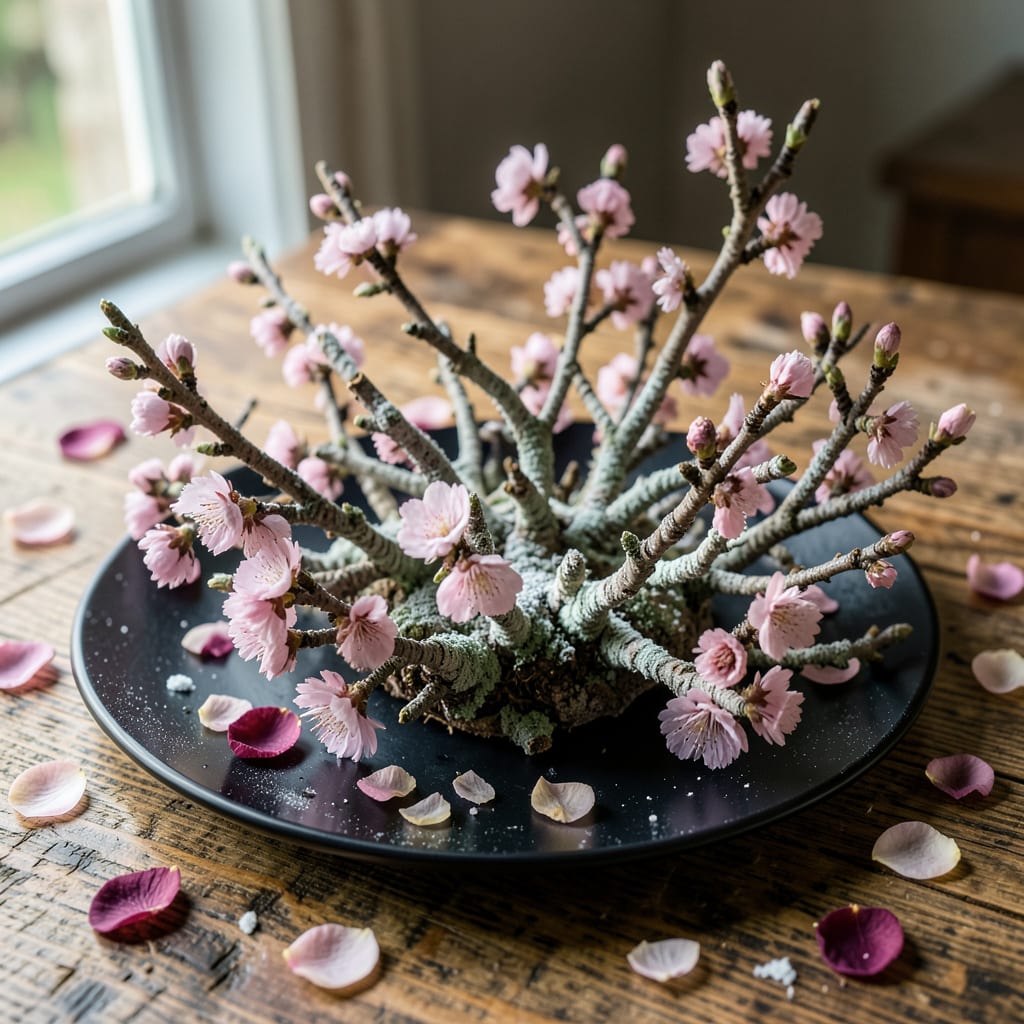
That white powdery stuff on your crepe myrtle leaves isn’t dust. I spotted it on mine last summer and ignored it for 2 weeks—big mistake. The mold spread fast, turning beautiful blooms into a sad, spotted mess.
Here’s the thing—this isn’t just ugly. Left untreated, it weakens the plant, stunts growth, and can even kill young trees. The good news? Catching it early makes treatment simple. A little attention now saves you a headache later.
I’ve tested 3 methods that work: a baking soda spray, neem oil, and pruning for airflow. Each takes 10 minutes and uses stuff you already have at home. No fancy chemicals needed.
Your crepe myrtle can bounce back fast. With the right approach, you’ll see clean leaves and fresh blooms in 7-14 days. Let’s get started before it gets worse.
Mold on crepe myrtles often stems from environmental and cultural factors that create ideal conditions for fungal spores to thrive. Below are the primary causes, explained with actionable insights.
High humidity, frequent rainfall, or overhead watering keep foliage wet for extended periods, promoting fungal growth. Crepe myrtles in poorly drained soil or crowded plantings trap moisture, accelerating mold development. Solution: Water at the base in the morning to allow leaves to dry quickly, and improve air circulation by spacing plants properly.
Dense canopies or nearby structures block airflow, trapping moisture and creating a humid microclimate. This is especially common in overgrown or unpruned crepe myrtles. Solution: Prune inner branches to open the canopy and thin out crowded areas to enhance ventilation.
Specific fungi like Cercospora and Powdery Mildew directly cause mold. These pathogens thrive in warm, wet conditions and spread via water splashes or wind. Solution: Remove infected leaves immediately to prevent spores from spreading, and apply fungicides labeled for ornamental plants if infections persist.
Cool nights followed by warm days create condensation on leaves, providing the moisture fungi need. This is common in spring and fall. Solution: Monitor weather patterns and avoid late-day watering to reduce overnight dampness.
Mold on crepe myrtles can be managed with targeted solutions and preventive care. Below are practical fixes for common causes, along with tips to keep your plants healthy.
Thick foliage traps moisture, creating a mold-friendly environment. Trim dense branches to improve airflow, especially in the center of the plant. Space crepe myrtles at least 6–8 feet apart to reduce humidity buildup. Remove weeds and debris around the base to further enhance ventilation.
Prevention tip: 💡 Prune in late winter or early spring before new growth starts.
Mold thrives in soggy soil. Water deeply but infrequently—aim for 1–2 inches per week, including rainfall. Let the top 1–2 inches of soil dry out between waterings. If drainage is poor, amend the soil with compost or create small mounds to elevate the root zone.
Prevention tip: 🌡️ Use a moisture meter to avoid overwatering, and water in the early morning so foliage dries quickly.
For active mold or powdery mildew, apply a copper-based fungicide or neem oil spray. Mix according to package instructions and coat both sides of leaves and stems. Reapply every 7–10 days until the issue clears. For severe cases, remove and destroy heavily infected branches to prevent spread.
Prevention tip: ✨ Rotate fungicides to prevent resistance, and clean up fallen leaves promptly.
A stressed crepe myrtle is more vulnerable to mold. Fertilize lightly with a balanced, slow-release product in spring, but avoid over-fertilizing, which can promote tender, mold-susceptible growth. Ensure the plant gets full sun (6+ hours daily) to strengthen its defenses.
Prevention tip: 🎯 Mulch with organic material to retain moisture without waterlogging, but keep mulch 2–3 inches away from the trunk.
Not always. Powdery mildew appears as a white powder, while sooty mold looks dark and sticky. Cercospora causes purple or brown spots. Check for other signs like leaf curling or stunted growth to confirm.
Yes! A baking soda spray (1 tablespoon per gallon of water) works well for mild cases. Neem oil mixed with water and a few drops of dish soap is another effective organic option.
Prune once a year in late winter to remove dead wood and open the canopy. Thin out about 20-30% of the inner branches to improve circulation and reduce humidity.
Yes, fungal spores travel by wind and water. Keep infected plants isolated and remove fallen leaves immediately. Clean pruning tools with rubbing alcohol between cuts.
