
Beautiful Plants For Your Interior
Beautiful Plants For Your Interior
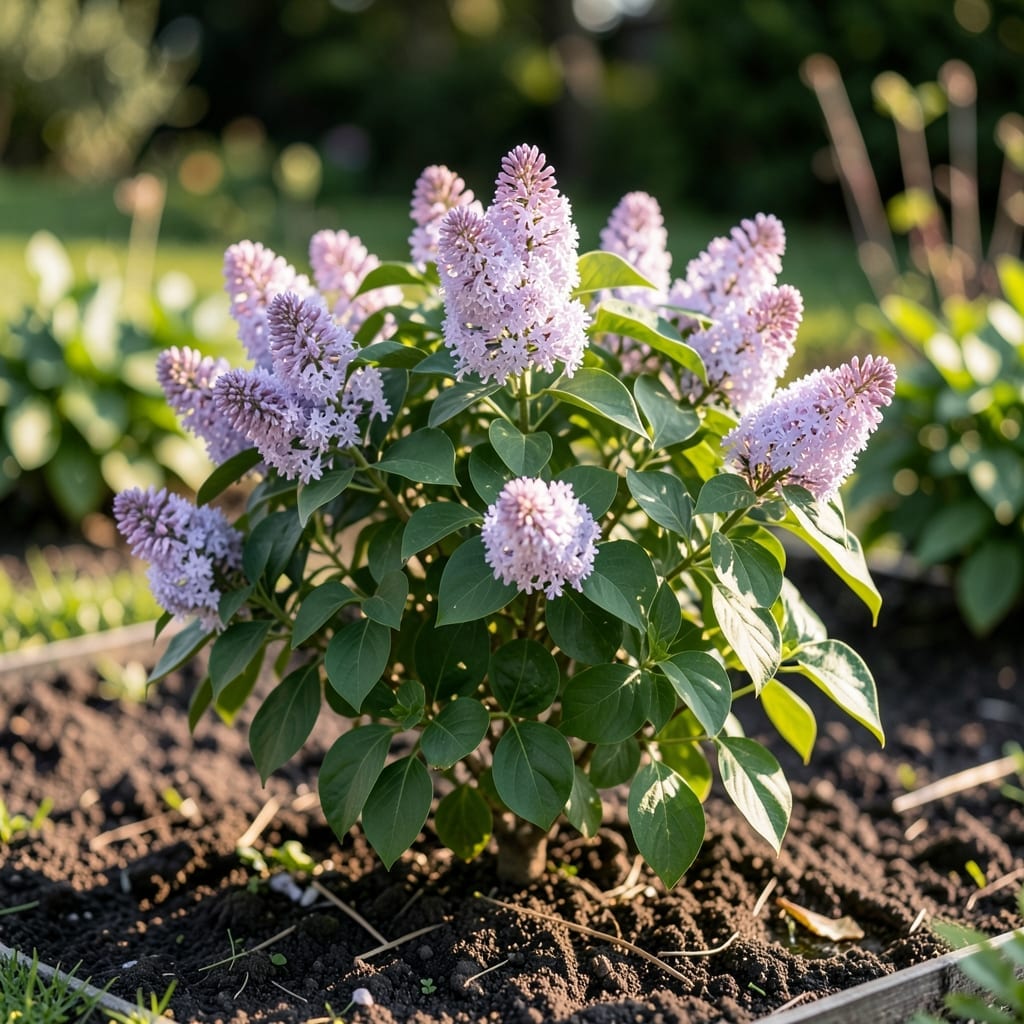
There’s something magical about watching a Miss Kim Lilac 🌸 transform your garden year after year. This dwarf variety brings fragrant blooms and vibrant color, but its true charm lies in its steady, reliable growth.
Understanding how quickly it develops helps you plan your space and care routine. Whether you’re a seasoned gardener or just starting out, knowing what to expect makes all the difference.
From planting that first sapling to enjoying its full 6-8 ft maturity, every stage has its own rewards. I’ll walk you through the timeline and key factors that influence its progress.
Let’s discover how to give your Miss Kim Lilac the best start and watch it thrive for years to come.


If you’re planting a Miss Kim lilac, you’ll want to know exactly how fast it grows. This dwarf lilac variety offers a manageable size with stunning fragrant blooms, but its growth pattern is unique. 🌸
Unlike standard lilacs that can reach 15 feet, the Miss Kim stays compact at 6-8 feet tall. Its moderate growth rate means you’ll see steady progress without aggressive expansion.
| Growth Stage | Height | Notes |
| Year 1 | 1-2 ft | Establishes root system |
| Year 2 | 3-4 ft | Rapid vertical growth |
| Year 3 | 5-6 ft | Begins flowering |
| Mature (5+ years) | 6-8 ft | Full size, full blooms |
In the first year, your Miss Kim lilac will focus on root development, reaching just 1-2 feet. This is when proper watering and soil conditions are most critical.
By year two, you’ll notice a growth spurt as it jumps to 3-4 feet. This is when the plant starts building its structure, so pruning should be minimal to avoid stunting growth.
At year three, your lilac will likely hit 5-6 feet and begin producing its first fragrant flowers. This is an exciting milestone for any gardener, as it signals the plant is settling into its mature form.
After five years, your Miss Kim lilac will reach its full 6-8 foot height and width. At this stage, it will produce abundant blooms each spring, filling your garden with its signature lavender flowers and sweet scent.
It’s important to note that these growth rates assume optimal conditions. If your plant is in poor soil or partial shade, growth may be slower. Conversely, rich, well-draining soil and full sun can help it reach the upper end of these estimates.
I’ve found that Miss Kim lilacs thriving in USDA zones 3-7 tend to grow more vigorously. In colder zones, the growing season is shorter, which can slightly slow progress. But with proper care, you’ll still see steady growth each year. 🌿
Remember, while the height growth is predictable, the spread can vary. These shrubs typically expand to 5-7 feet wide, so give them space to shine without crowding neighboring plants.
As a gardener, I know that Miss Kim lilac growth rate can vary based on several key factors. This dwarf lilac variety thrives under specific conditions, and understanding these can help you optimize its development for the best results.
From my experience, soil quality and sunlight exposure are the top influencers. Rich, well-draining soil with a slightly alkaline pH gives this shrub the best start, while 6+ hours of direct sun daily fuels its growth.
Key Factors for Growth:
I’ve found that watering practices also play a crucial role. A deep soak once a week is ideal, especially during the first growing season. Once established, Miss Kim lilacs are fairly drought-tolerant, but consistent moisture helps maintain steady growth.
Pruning techniques can significantly impact growth speed. I always prune my Miss Kim lilacs immediately after flowering to stimulate new growth and maintain a compact shape. Avoid heavy pruning late in the season, as this can remove next year’s flower buds.
Climate is another critical factor. This shrub performs best in USDA Zones 3-7. In cooler climates, growth may be slower initially, but the plant will establish well over time. In warmer zones, ensure it gets enough water to prevent stress.
Finally, fertilization can give your lilac a boost. I use a balanced 10-10-10 fertilizer in early spring and again after flowering. This provides the nutrients needed for healthy growth and abundant blooms.
With the right care, your Miss Kim lilac will reward you with vibrant blooms and steady growth for years to come 🌸