
Beautiful Plants For Your Interior
Beautiful Plants For Your Interior
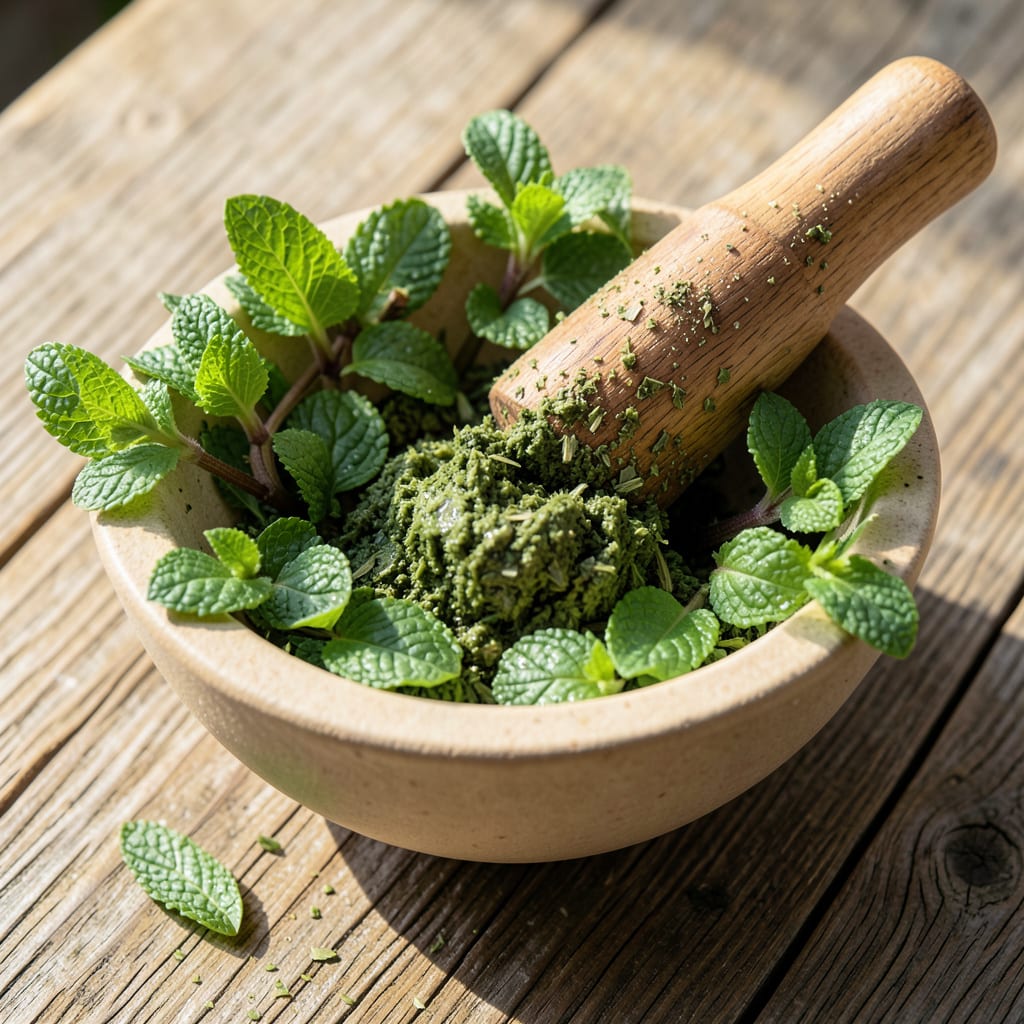
I discovered mint’s pest powers by accident when ants vanished from my windowsill. 🌿 This natural approach keeps bugs away without harsh chemicals, and it smells incredible.
Crushed leaves release oils that repel ants, spiders, and mosquitoes. Place them in problem areas or steep for a spray. It’s simple, effective, and your garden will thank you.
📚 In This Guide
This natural solution keeps pests away without harsh chemicals. Ready in minutes, it works in any home.
Pick 2 cups of fresh mint leaves from your garden early in the morning when the oils are most concentrated. I always choose healthy, pest-free leaves for the strongest repellent. Rinse them gently under cool water to remove dirt and any lingering bugs.
Pat the leaves dry with a clean towel—excess moisture dilutes the essential oils. Bruise the leaves slightly by crushing them between your fingers to release their aromatic oils. You’ll smell the potent mint fragrance immediately, and that’s exactly what repels insects.
Place the bruised leaves in a heat-safe bowl or jar and pour 2 cups of boiling water over them. Cover the container with a lid or cloth to trap the steam. I’ve found this method extracts the oils faster than cold infusion.
Let it steep for 1-2 hours until the water turns a pale green and smells strongly of mint. Strain out the leaves using a fine mesh sieve or cheesecloth. Here’s the thing—if the scent isn’t strong, your repellent won’t be effective, so don’t rush this step.
Pour the mint-infused liquid into a clean spray bottle. I prefer dark glass bottles because they block light and preserve the oils longer. If you don’t have one, any spray bottle will work just fine.
Store the bottle in a cool, dark place like a pantry or cabinet. It’s ready to use immediately, but the scent intensifies after 24 hours. Shake well before each use to distribute the oils evenly. Real talk: This mix stays potent for about 1 week, so make small batches often.
Spray the solution around entry points like windowsills, door frames, and cracks where pests might enter. I also mist it along baseboards and under sinks—anywhere insects tend to gather. Avoid spraying directly on fabrics or finished surfaces, as the oils can stain.
Reapply every 2-3 days or after cleaning, since the scent fades over time. You’ll notice fewer ants, spiders, and even mosquitoes within a day. For outdoor use, spray around patio furniture and doorways, but reapply after rain.
Took me a few tries to get this right, so here’s what I learned the hard way.
The Leaf Quality Factor: Pick those 2 cups of fresh mint leaves in the early morning when their essential oils are most potent. I learned this the hard way after using afternoon-harvested leaves that barely repelled anything. Bruise them well—this releases the aromatic compounds that actually deter pests.
Steeping Time Secret: Don’t rush the 1-2 hour steeping time in Step 2. If the water hasn’t turned pale green and smells strongly of mint, the repellent won’t work. I once tried to speed this up with hotter water, but it just made the scent bitter instead of potent.
Storage Strategy: That 24-hour wait in Step 3 isn’t just for show—the scent actually intensifies during this time. Store your bottle in a cool, dark place to preserve the oils, and shake it before each use to keep everything evenly distributed.
Application Pro Tip: Reapply every 2-3 days as the scent fades. I spray mine around windowsills and door frames first thing in the morning, then again after cleaning. For outdoor use, a quick mist after rain keeps it effective.
Fresh mint repellent typically lasts 2-4 hours. For longer protection, reapply the crushed leaves or spray. Dried mint or essential oil blends may extend effectiveness to 6-8 hours, depending on concentration.
Yes! Peppermint, spearmint, and pennyroyal work best due to their high menthol content. Fresh leaves are most potent, but dried mint or essential oils (diluted with water) also repel insects effectively.
Mint deters mosquitoes, ants, spiders, flies, and even mice. Its strong scent masks human odors, making it harder for pests to locate you. It’s especially great for outdoor gatherings!
Try citronella, lemongrass, or lavender as natural alternatives. Combining mint with other herbs like basil or rosemary can also boost repellent power. Always test small areas first for skin sensitivity.
