
Beautiful Plants For Your Interior
Beautiful Plants For Your Interior
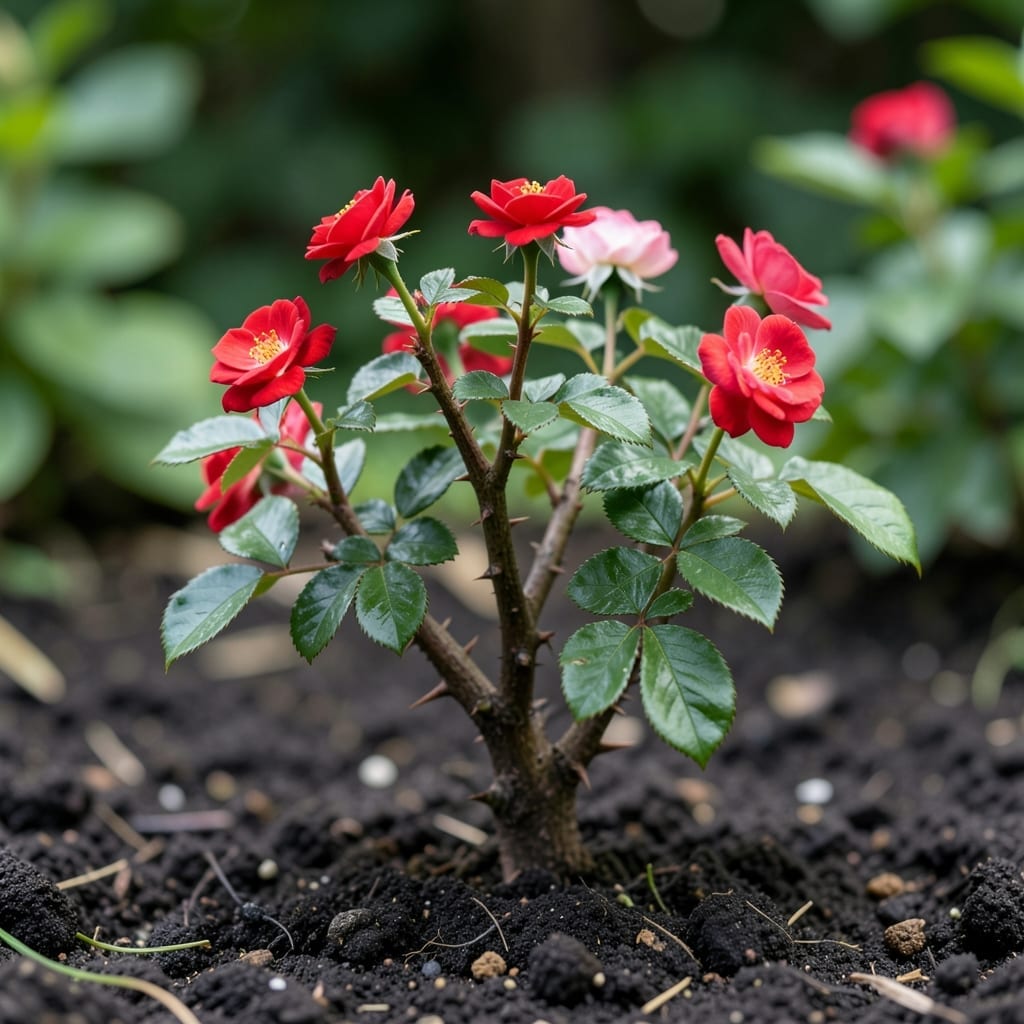
There’s something magical about the 🌹 Miniature Rose – all the elegance of its larger cousins in a perfectly petite package. But just how small are we talking?
These charming plants typically reach a manageable height that makes them ideal for containers, borders, or small gardens. Understanding their growth potential helps you plan the perfect space.
I’ll share the typical height ranges you can expect, plus the key factors that might make your Miniature Rose grow a little taller or stay more compact. It’s all about working with nature’s design.
Discover how to nurture these tiny beauties to their full potential while keeping them at just the right size for your garden vision.

When I first started growing miniature roses, I was amazed by how much full-sized beauty they pack into such compact plants. Their mature height typically ranges from 6 inches to 2 feet, making them perfect for small spaces.
Most standard miniature rose varieties reach about 1 to 2 feet tall, while dwarf types stay closer to 6-12 inches. Then there are the micro-mini roses, which can be as tiny as 6 inches at maturity.
| Type | Height Range | Example Cultivars |
|---|---|---|
| Micro-Mini | 6-12 inches | ‘Sioux’, ‘Cupcake’ |
| Dwarf | 1-2 feet | ‘Gizmo’, ‘Sweet Drift’ |
| Standard Miniature | 1.5-2 feet | ‘Starina’, ‘Over the Rainbow’ |
I’ve found that micro-mini roses like ‘Sioux’ are ideal for container gardening on patios or balconies. Their tiny stature means you can grow several in a small space.
For garden beds, I recommend the standard miniature varieties that reach 1.5-2 feet. These create beautiful low borders and work well in front-of-border plantings where you want color without blocking views.
The dwarf types at 1-2 feet offer great versatility. I use them in both containers and in-ground plantings, and they always deliver abundant blooms despite their small size.
Remember that these height ranges are for mature plants under ideal conditions. In my experience, most miniature roses will reach about 80% of their potential height in the first growing season.
I’ve noticed that pruning practices significantly impact final height. With regular light pruning, I can maintain my miniature roses at the lower end of their height range.
For those wanting the tiniest options, the micro-mini varieties are true marvels. They produce full-formed roses on plants no taller than a ruler, perfect for dollhouse gardens or fairy gardens.
No matter which height category you choose, all miniature roses benefit from well-draining soil and full sun exposure to reach their maximum potential. I always ensure my plants get at least 6 hours of sunlight daily
🌹
I’ve found that sunlight exposure is the most critical factor for miniature rose height. These plants thrive with 6+ hours of direct sun daily, which promotes strong, upright growth and prevents leggy stems.
Next, soil quality plays a huge role. Well-draining, nutrient-rich soil with a slightly acidic pH of 6.0-6.5 encourages healthy root development, directly impacting overall height and vigor.
Pruning techniques are another game-changer. I always recommend pinching back new growth in early spring to encourage bushier, more controlled plants rather than tall, spindly ones.
Container vs. in-ground planting makes a difference too. Miniature roses in small containers tend to stay smaller, while those planted in the ground can reach their full 1-2 foot potential.
Don’t underestimate climate impact. In warmer USDA zones, like 7-9, miniature roses may grow taller due to a longer growing season, while cooler zones might see more compact growth.
Finally, consistent watering and balanced fertilization ensure steady growth. I use a 10-10-10 fertilizer every 4-6 weeks during the growing season to support healthy, proportional development. 🌹