
Beautiful Plants For Your Interior
Beautiful Plants For Your Interior
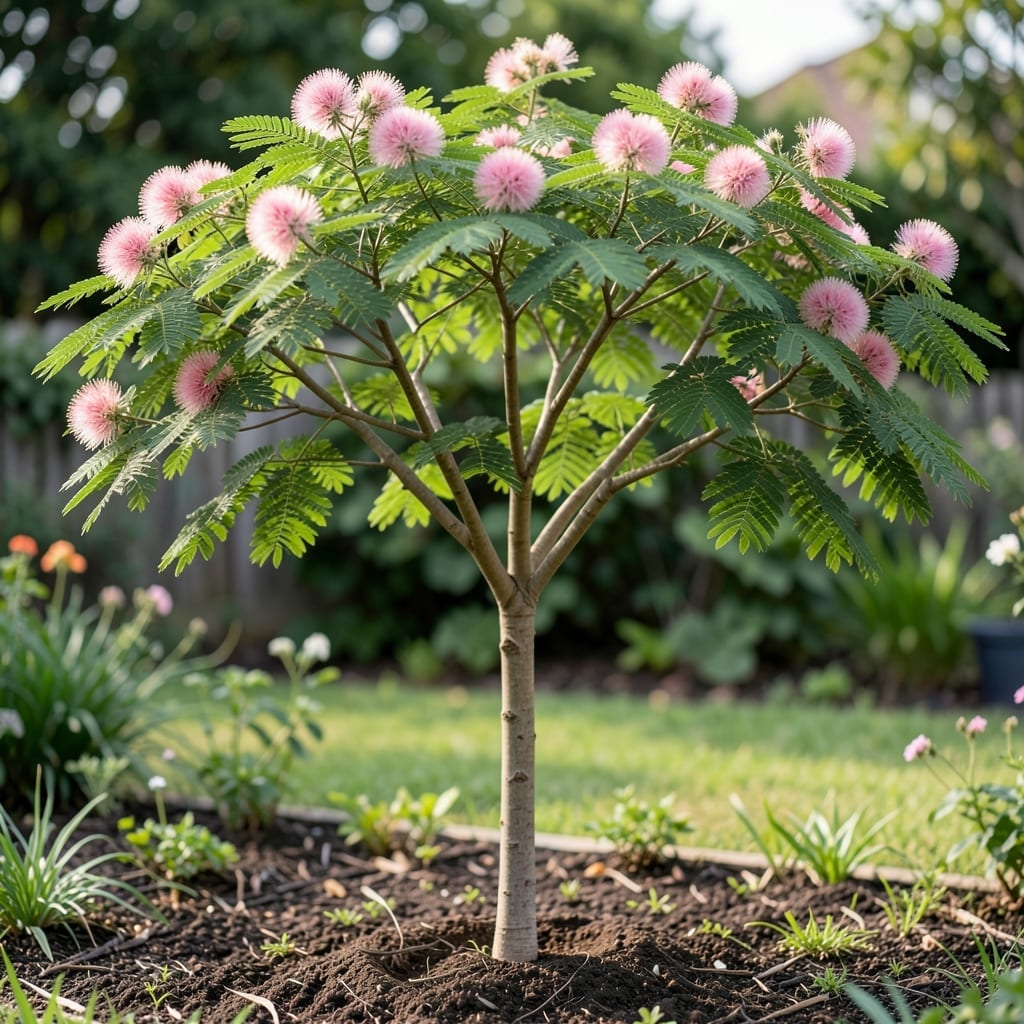
That Mimosa Tree 🌳 you planted last spring is already shooting up—but just how quickly can you expect it to grow? This fast-growing beauty can surprise even seasoned gardeners with its rapid development.
In the right conditions, it can add 3-5 feet in a single year. Understanding this growth pattern helps you plan your garden layout and care routine effectively.
Let me walk you through what to expect and how to support your tree’s healthiest, fastest growth. You’ll be amazed at the transformation.


The mimosa tree is a fast-growing species that can add 3 to 5 feet of height each year under ideal conditions. This rapid growth makes it a popular choice for gardeners looking for quick shade or ornamental value.
By the end of its first year, you can expect your mimosa tree to reach 3-5 feet tall. With proper care, it may even surprise you with its vigor, especially in warm climates. 🌳
| Year | Height Range | Growth Notes |
|---|---|---|
| 1 | 3-5 ft | Rapid early growth |
| 2 | 8-12 ft | Establishes strong root system |
| 3 | 12-18 ft | Begins flowering |
| Mature | 15-25 ft | Full canopy development |
In its second year, the mimosa tree typically reaches 8-12 feet tall. This is when it starts developing a more substantial trunk and wider canopy, making it a focal point in your landscape.
By year three, expect your tree to hit 12-18 feet. This is also when you’ll likely see the first of its signature pink pom-pom blooms, adding a splash of color to your garden.
The mature height of a mimosa tree ranges from 15 to 25 feet, achieved in about 5-7 years. Its fast growth rate means you won’t wait long to enjoy its full beauty and shade.
For optimal growth, plant your mimosa in well-draining soil and a spot with full sun exposure. These conditions help it reach its maximum annual growth potential.
Remember that watering deeply once a week during dry spells encourages strong root development. This is crucial for supporting its rapid height increase and preventing stress.
While mimosa trees are drought-tolerant once established, consistent moisture during the first two years gives them the best start. I’ve seen many thrive with just this simple care routine. 💧
If you’re planning to plant multiple mimosa trees, space them 20-25 feet apart to accommodate their mature spread. This prevents crowding and allows each tree to develop its full canopy.
With its quick growth and beautiful foliage, the mimosa tree is a rewarding addition to any garden. Just be prepared for its rapid expansion and plan your space accordingly. ✂️
Your mimosa tree’s growth rate isn’t set in stone—it depends on several key factors. From my experience, the right conditions can make a huge difference in how quickly your tree reaches maturity.
Let’s explore what influences its development and how you can optimize these elements for the fastest, healthiest growth. 🌳
I’ve noticed sunlight is the most critical factor. Trees in partial shade often grow 30-50% slower than those in full sun. Aim for that sweet spot with unobstructed southern exposure.
Soil quality matters more than you might think. While mimosas tolerate various soils, they thrive in loamy, slightly acidic conditions with a pH of 6.0-7.0. A simple soil test can reveal if amendments are needed.
Watering practices directly impact growth speed. Young trees need consistent moisture, but overwatering can be just as harmful as drought. I recommend the finger test—stick your finger 2 inches into the soil.
If it feels dry, it’s time to water. Climate plays a role too. In hotter regions, mimosas may grow faster but need more water. Cooler climates slow growth but often produce hardier trees.
Don’t underestimate pruning. While it might seem counterintuitive, proper pruning stimulates growth by removing dead wood and shaping the tree. Just