
Beautiful Plants For Your Interior
Beautiful Plants For Your Interior
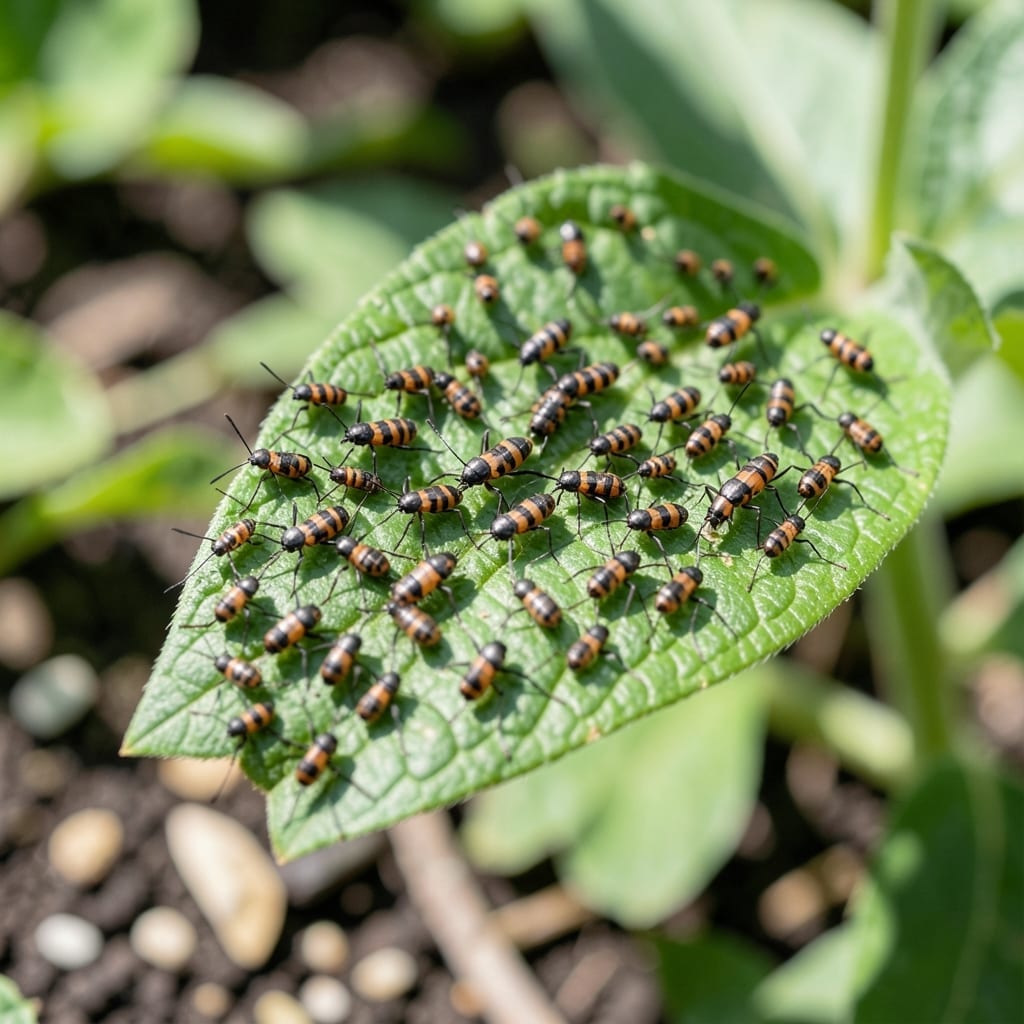
I noticed the orange clusters before the damage. Milkweed bugs multiply fast, but they won’t win this battle. The key is acting before they overwhelm your plants and threaten monarch caterpillars sharing the same leaves.
This isn’t about chemicals—it’s about outsmarting them. A daily inspection and simple removal does more than most sprays ever could. I’ve saved entire milkweed patches with just a bucket of soapy water and persistence.
Your plants will recover quickly once the bugs are gone. The leaves regrow within 2 weeks, and monarchs will return to lay their eggs. The solution is gentle on butterflies but tough on pests.
Works for any milkweed variety, in gardens or containers. Here’s how to start today.
Milkweed bugs thrive in specific conditions, and understanding these triggers can help you prevent overpopulation. Below are the primary causes behind their infestations.
Milkweed bugs are specialized feeders, relying almost exclusively on Asclepias species (milkweed) for nourishment. When milkweed patches grow dense or unchecked, they create an ideal breeding and feeding ground. Gardens with large, unmanaged milkweed clusters often see rapid bug population growth, as both nymphs and adults have ample food and shelter.
These bugs are most active in warm, dry climates, particularly during late summer and early fall. High temperatures accelerate their life cycle, allowing faster reproduction. Drought conditions also reduce the presence of natural predators, such as spiders or birds, giving milkweed bugs an unchecked advantage.
In balanced ecosystems, predators like assassin bugs, lady beetles, and parasitic wasps help control milkweed bug populations. However, in gardens treated with broad-spectrum pesticides or lacking biodiversity, these predators disappear. Without them, milkweed bugs multiply freely, leading to noticeable infestations.
Planting only milkweed (or a single plant type) eliminates biodiversity, which disrupts natural pest control. Diverse gardens with a mix of native plants attract beneficial insects that prey on milkweed bugs. Monocultures, on the other hand, create a buffet-style environment for pests while offering no resistance.
Dealing with milkweed bugs doesn’t have to mean resorting to harsh chemicals. Here’s how to tackle the issue while keeping your garden—and the monarchs—safe.
For small infestations, the simplest solution is manual removal. Wear gloves and pick off adults, nymphs, and egg clusters from the milkweed plants. Drop them into a bucket of soapy water to ensure they don’t return. Check undersides of leaves, where eggs and nymphs often hide.
A forceful blast of water from a garden hose can knock off bugs and their eggs. Do this early in the morning so plants have time to dry, reducing the risk of fungal issues. Repeat every few days until the population dwindles.
Encourage beneficial insects like ladybugs, lacewings, and assassin bugs, which feed on milkweed bugs. Plant companion flowers such as dill, fennel, or alyssum to attract these helpers. Avoid pesticides, as they can harm these allies too.
Neem oil is a natural insecticide that disrupts the bugs’ life cycle. Mix 1 tablespoon of neem oil with 1 teaspoon of dish soap and a gallon of water, then spray directly on the bugs and eggs. Reapply every 5–7 days, especially after rain.
With these steps, you can control milkweed bugs effectively while protecting the ecosystem your garden supports. ✨
They’re tiny, barrel-shaped and bright orange, often laid in clusters on the undersides of leaves. You’ll spot them in rows of 20-30. Remove them early to prevent hatching.
No, if done carefully. Monarchs avoid leaves with heavy bug damage, so hand-removal protects both. Always check for caterpillars before pruning.
Reapply every 5-7 days, especially after rain. Focus on leaf undersides where bugs hide. Avoid spraying during peak sunlight.
A soapy water solution works for direct contact but won’t prevent reinfestation. Use it for spot treatment, then follow up with neem oil.