
Beautiful Plants For Your Interior
Beautiful Plants For Your Interior
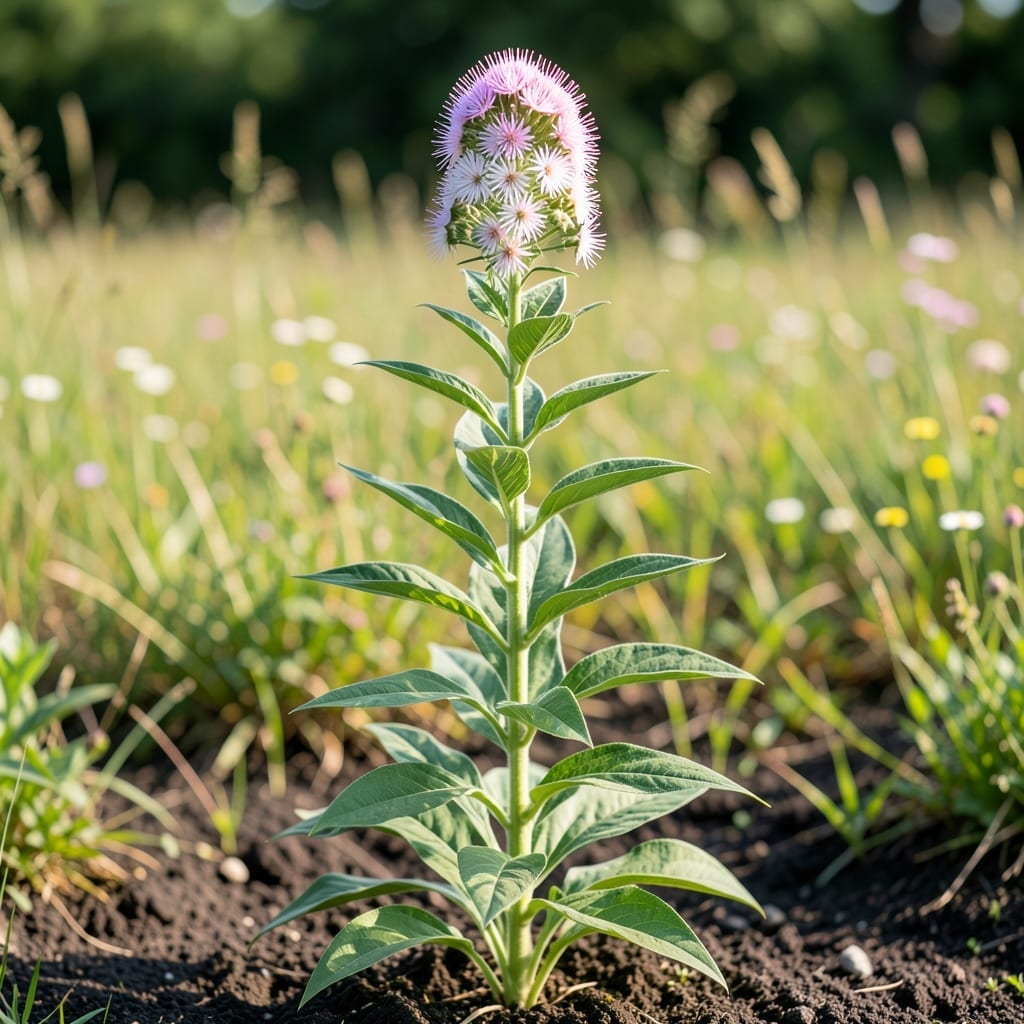
There’s something magical about watching Milkweed 🌸 burst into bloom, especially knowing it’s a vital food source for monarch butterflies. These vibrant flowers don’t just add beauty—they’re a critical lifeline for pollinators.
Timing is everything when it comes to supporting these winged visitors. Understanding when Milkweed flowers lets you create a garden that aligns perfectly with their needs.
From regional variations to care tips, I’ll break down what affects blooming and how you can encourage the healthiest displays. It’s easier than you might think to make a real difference.
Discover how small adjustments in your approach can lead to a garden buzzing with life all season long.
If you’re growing milkweed to support monarch butterflies, timing is everything. The blooming period varies by species, but most types flower in mid to late summer. This is when monarchs are most active and laying eggs.
For example, common milkweed typically blooms from June to August, while butterfly weed often starts earlier, in May or June. Swamp milkweed tends to follow a similar schedule but thrives in wetter conditions.
| Variety | Blooming Period | USDA Zones |
|---|---|---|
| Common Milkweed | June – August | 3 – 9 |
| Butterfly Weed | May – September | 4 – 9 |
| Swamp Milkweed | June – August | 3 – 6 |
| Showy Milkweed | May – July | 3 – 9 |
Regional climate conditions can shift these timelines. In warmer zones, like Zone 9, milkweed may start blooming earlier in spring. Cooler areas, like Zone 3, might see a delayed bloom until late summer.
To track your local bloom cycle, I recommend observing soil temperature and daylight hours. Milkweed often responds to longer days and warmer soil, signaling it’s time to flower.
Sunlight exposure also plays a key role. Most milkweed species need full sun (6+ hours daily) to thrive. Without enough light, blooming may be sparse or delayed.
If your milkweed isn’t blooming on schedule, check for overcrowding or poor soil conditions. These plants prefer well-draining soil and can struggle in heavy clay or overly moist areas.
For gardeners in drought-prone regions, swamp milkweed is a great choice. It handles moist conditions well but can also tolerate drier spells once established.
I’ve found that butterfly weed is especially reliable for early blooms. Its bright orange flowers are a magnet for monarchs and other pollinators. Just be sure to deadhead spent blooms to encourage more flowers.
Remember, the blooming time directly impacts monarch migration. Planting a mix of milkweed varieties can provide continuous blooms throughout the growing season, supporting butterflies from spring to fall. ☀️
I love watching milkweed blooms light up my garden, but they don’t last forever. With a few simple tricks, you can prolong the show and give monarchs more time to visit. The key is understanding their natural cycle and giving them a little extra care.
Most milkweed varieties bloom for 4-6 weeks in summer, but you can stretch this window. I’ve found that consistent deadheading and proper feeding make a noticeable difference in reblooming potential. Swamp milkweed especially responds well to this approach.
I always remove faded blooms before they set seed. This prevents the plant from putting energy into pod development and redirects it to new flowers. Use clean shears and cut just above a leaf node for best results.
A balanced fertilizer applied in early summer gives milkweed the boost it needs. I prefer organic options and apply them every 4-6 weeks. Avoid over-fertilizing, as this can lead to leafy growth at the expense of blooms.
Watering deeply once a week is better than frequent shallow watering. Milkweed is drought-tolerant once established, but consistent moisture during bloom time keeps flowers vibrant longer. I water in the early morning to prevent disease.
Try planting multiple milkweed varieties with staggered bloom times. Butterfly weed blooms earlier than common milkweed, giving you a longer overall display and continuous monarch support. This simple trick has doubled my bloom season! 🌸