
Beautiful Plants For Your Interior
Beautiful Plants For Your Interior
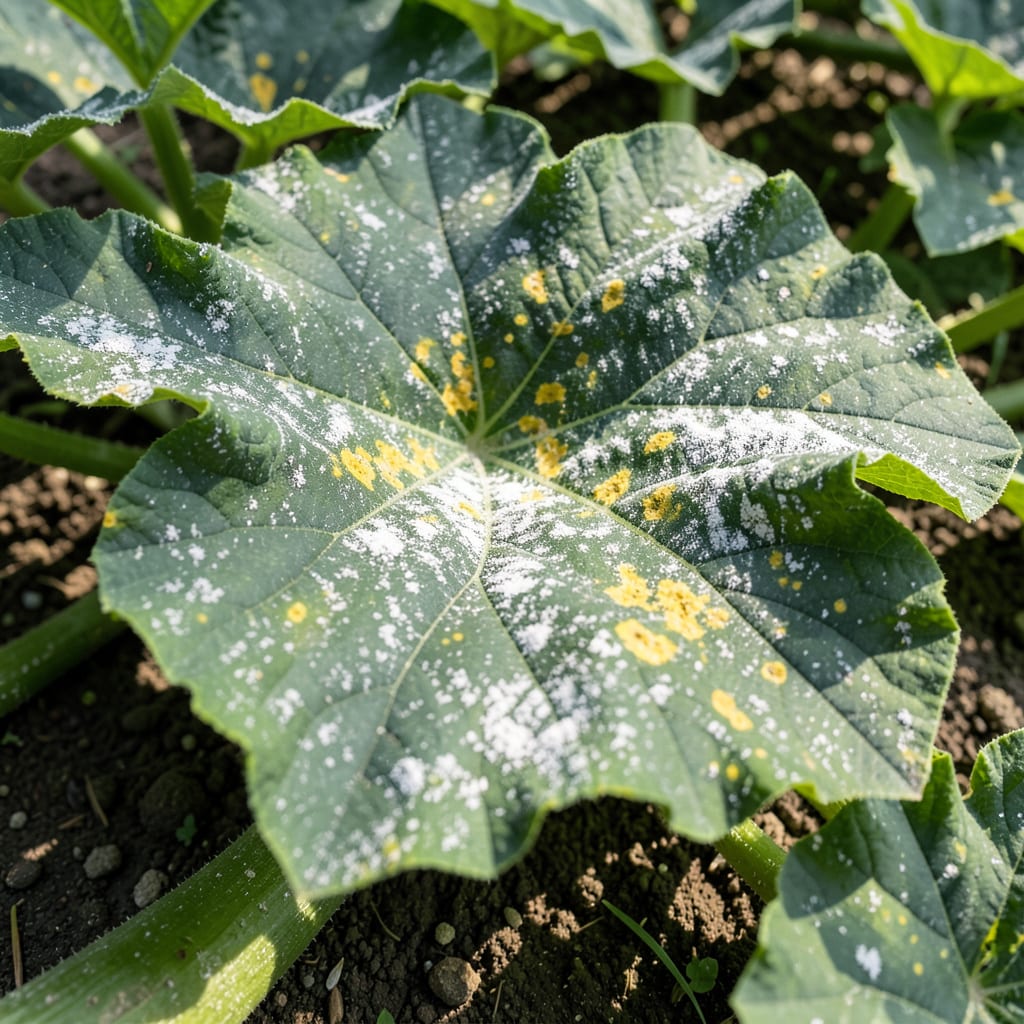
White spots on your zucchini leaves aren’t just ugly—they’re a warning. I learned the hard way that ignoring powdery mildew early means losing half your harvest by midsummer.
This fungus thrives in humid conditions with poor air flow. Most gardeners don’t realize their watering habits actually spread the problem. Simple fixes like morning watering and proper spacing make a huge difference.
Natural solutions work surprisingly well. A baking soda spray or neem oil treatment can stop mildew in its tracks within 48 hours. No fancy equipment needed.
Prevention beats cure every time. Once you understand the triggers, you’ll spot trouble before it starts—and keep those zucchinis productive all season.
Mildew on zucchini leaves is a common issue, but understanding its causes can help you prevent and manage it effectively. Here are the primary reasons why this fungal problem develops:
Mildew thrives in damp environments. When zucchini leaves remain wet for extended periods—due to overwatering, poor drainage, or frequent rainfall—spores take hold. High humidity (above 80%) further accelerates growth, especially in crowded plantings with limited airflow.
Cool nights (50–60°F) paired with warm days create ideal conditions for mildew. These temperature swings stress plants and slow leaf drying, giving fungal spores a chance to germinate. Shaded areas or dense foliage can also trap moisture, worsening the problem.
Zucchini plants spaced too closely restrict airflow, trapping humidity around leaves. This stagnant environment allows mildew spores to settle and spread. Pruning excess foliage and maintaining proper plant spacing (3–4 feet apart) can mitigate this.
Mildew spores overwinter in plant debris, soil, or gardening tools. If last season’s infected leaves weren’t removed, new plants can quickly become reinfected. Rotating crops and sanitizing tools reduces this risk.
Watering from above wets the leaves, providing a direct pathway for spores to colonize. Drip irrigation or soaker hoses deliver water to the roots, keeping foliage dry and less susceptible to mildew.
Tackling mildew on your zucchini plants starts with quick action and the right approach. Here’s how to address each common cause with simple, effective fixes.
Trim crowded leaves and stems to improve airflow around your plants. Remove affected foliage first to stop the spread, then space plants at least 2-3 feet apart. This reduces humidity buildup, a prime mildew trigger.
Prevention tip: 💡 Plant in a sunny spot and avoid overcrowding from the start.
Switch to drip irrigation or a soaker hose to keep leaves dry. If hand-watering, aim for the soil, not the foliage. Water early in the day so leaves dry quickly in the sun.
Prevention tip: 🌡️ Use a moisture meter to avoid overwatering—zucchini prefers soil that’s moist but not soggy.
Mix 1 tablespoon baking soda + 1 teaspoon dish soap + 1 gallon water and spray leaves weekly. For severe cases, use neem oil (follow label instructions) or a copper fungicide. Always apply in the morning for best results.
Prevention tip: ✨ Rotate crops yearly to prevent fungal spores from lingering in the soil.
Strengthen zucchini with balanced fertilizer (10-10-10) or compost tea. Healthy plants resist mildew better. Remove heavily infected leaves to protect the rest.
Prevention tip: 🎯 Choose mildew-resistant zucchini varieties like ‘Defender’ or ‘Wildcat’ for future plantings.
Look for white, powdery spots on the upper leaf surfaces. These patches spread quickly and may turn yellow or brown. Check undersides too—early signs often appear there first.
Yes, but only if caught early. Remove affected leaves immediately and dispose of them in the trash, not compost. This prevents spores from spreading to healthy foliage.
The fruit remains safe to eat. Just wash it thoroughly before use. Focus on treating the plant to protect future harvests.
A baking soda spray works within 24-48 hours. Mix 1 tablespoon baking soda + 1 teaspoon dish soap in 1 gallon water. Spray leaves thoroughly in the morning.
