
Beautiful Plants For Your Interior
Beautiful Plants For Your Interior
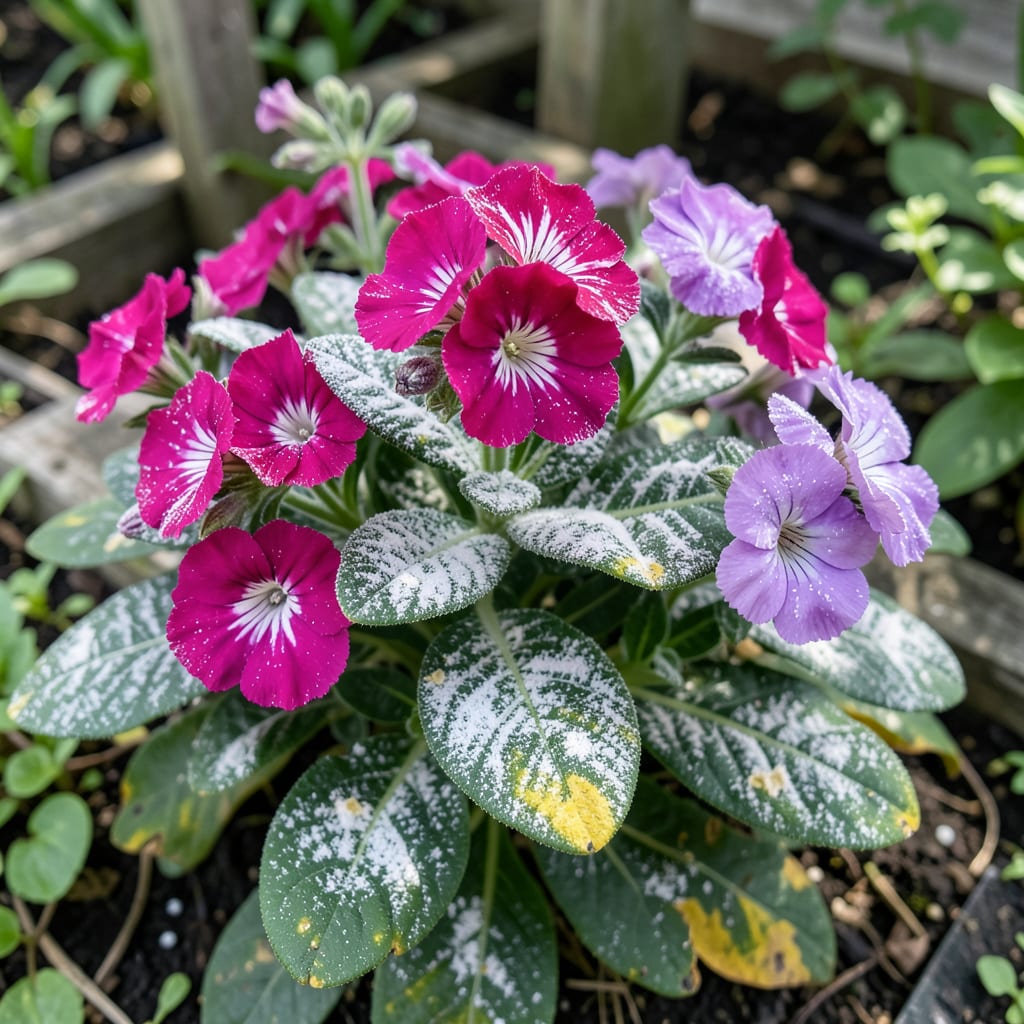
Powdery mildew on phlox looks like someone dusted your plants with flour. I’ve fought this battle every summer until I learned the simple fixes that actually work.
The white spots spread fast in humid weather, but they’re not a death sentence. Better air circulation, proper spacing, and early morning watering stop most outbreaks before they start.
For existing cases, a baking soda spray or neem oil treatment clears it up in a week. The key is catching it early and staying consistent.
These methods work for all phlox varieties, from tall garden types to creeping kinds. No fancy equipment needed—just attention to detail.
Mildew on phlox often stems from environmental and cultural factors that create ideal conditions for fungal growth. Below are the primary causes, explained with actionable insights.
High humidity (above 80%) and prolonged leaf wetness—from rain, overhead watering, or dew—provide the perfect breeding ground for Erysiphe or Podosphaera fungi, the typical culprits behind powdery mildew. Phlox planted in crowded beds or shaded areas with stagnant air trap moisture, accelerating spore germination. Solution: Space plants 18–24 inches apart and water at the base to keep foliage dry.
Powdery mildew thrives in warm days (70–85°F) coupled with cool nights, a common spring/fall pattern in many regions. These temperature swings stress the plant, weakening its natural defenses. Action: Monitor local forecasts and apply preventive sprays (e.g., neem oil) during high-risk periods.
Excess nitrogen promotes lush, soft growth—tender tissue that’s highly susceptible to fungal invasion. Phlox fed with high-nitrogen fertilizers (e.g., 10-5-5) without balanced potassium/phosphorus are at higher risk. Fix: Use a slow-release, balanced fertilizer (5-10-5) and avoid late-season applications.
Some phlox cultivars, like Phlox paniculata ‘Bright Eyes’ or older heirloom types, lack genetic resistance to mildew. Tip: Opt for mildew-resistant varieties such as Phlox maculata ‘Alpha’ or ‘David’ when planting in humid climates.
Mildew on phlox can be frustrating, but these targeted fixes will help restore your plants’ health. Address each issue based on its cause for the best results.
Prune overcrowded stems to open up the plant’s center, allowing air to flow freely. Space phlox plants 18–24 inches apart to reduce humidity buildup. If mildew persists, thin out dense foliage to let sunlight penetrate.
Prevention tip: 💡 Plant phlox in breezy spots and avoid overcrowding from the start.
Wet leaves are a mildew magnet. Water phlox at the base using a soaker hose or drip system to keep foliage dry. If using a sprinkler, water early in the day so leaves dry quickly in the sun.
Prevention tip: 🌡️ Always water in the morning to minimize overnight moisture.
For existing mildew, spray affected plants with neem oil or baking soda solution (1 tbsp baking soda + 1 tsp dish soap + 1 gallon water). Apply every 7–10 days until symptoms fade. Remove heavily infected leaves to stop the spread.
Prevention tip: ✨ Rotate fungicides to prevent resistance and reapply after rain.
Strengthen phlox with balanced fertilizer (10-10-10) and avoid excess nitrogen, which promotes soft growth prone to mildew. Mulch with organic compost to improve soil health and plant vigor.
Prevention tip: 🎯 Choose mildew-resistant phlox varieties like ‘David’ or ‘Bright Eyes’ for long-term ease.
Look for white, powdery spots on leaves, stems, or flowers. These spots often start small but spread quickly in humid conditions.
Always water at the base in the early morning to allow foliage to dry quickly. Avoid overhead watering, especially in the evening.
Yes! A mix of 1 tablespoon baking soda, 1 teaspoon dish soap, and 1 gallon water makes an effective spray. Apply every 7–10 days.
Varieties like ‘David’ or ‘Alpha’ have natural genetic resistance. Older or high-nitrogen-fed plants are often more susceptible.
