
Beautiful Plants For Your Interior
Beautiful Plants For Your Interior
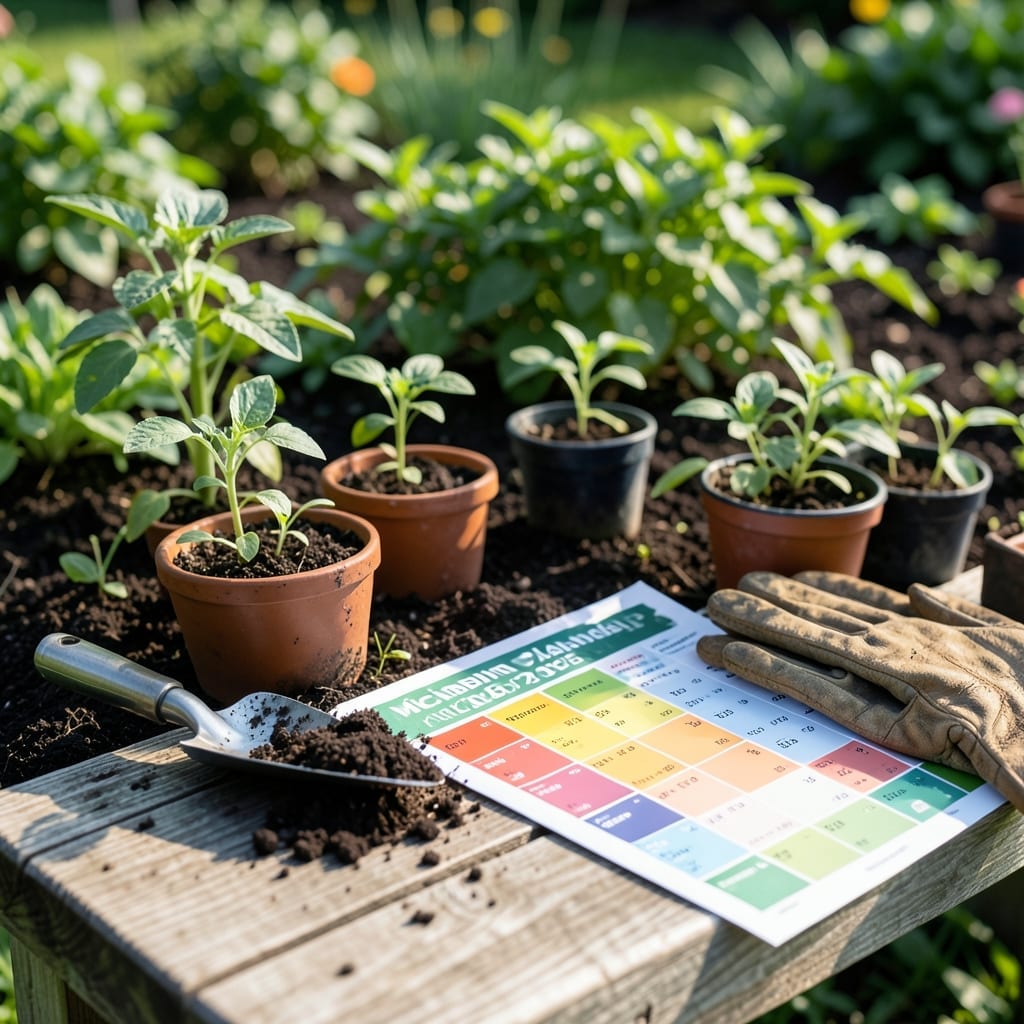
Timing is everything when it comes to gardening in Michigan. With its diverse climate zones, knowing exactly when to plant can make or break your harvest.
The 2025 season brings new opportunities to sync with nature’s rhythm. Whether you’re planting 🌱 General in zone 5b-6a or experimenting with new varieties, this calendar guides you through the most important dates.
From the last frost in spring to the first chill of fall, I’ll help you navigate Michigan’s unique growing windows. These zone-specific insights ensure your garden thrives from April through September.
Discover how to maximize your growing season with precise planting times. Let’s turn your garden into a lush, productive space this year.
Michigan’s varied USDA hardiness zones range from 4 in the Upper Peninsula to 6 in the southern Lower Peninsula. These zones dictate when to plant safely without frost damage. I always check my local frost dates before starting seeds or transplanting.☀️
For 2025, the last frost dates vary significantly. The Upper Peninsula often sees its last frost in late May, while southern Michigan can plant earlier, around mid-April. This spread affects everything from tomato starts to perennial flowers.
| Zone | Region | Last Frost | First Frost |
|---|---|---|---|
| 4 | Upper Peninsula | May 20-30 | Sept 10-20 |
| 5a | Northern Lower | May 10-20 | Sept 20-30 |
| 5b | Central Lower | May 1-10 | Oct 10-20 |
| 6a | Southern Lower | April 15-25 | Oct 20-30 |
In Zone 4, I wait until late May to plant warm-season crops like peppers and eggplants. The short growing season means starting many plants indoors in March or April is crucial for success.
Zone 5 gardens have more flexibility. I can direct-sow cool-season crops like lettuce and spinach as early as late March. Tomatoes and cucumbers go in after the last frost, typically mid-May.
For Zone 6, the longer growing season allows for two harvests of some crops. I plant early potatoes in March and follow with bush beans in July for a fall crop. The first frost often holds off until late October.
The 2025 calendar also accounts for microclimates. Urban areas and lake-effect zones may have slightly different dates. I always recommend using a soil thermometer to confirm 60°F soil for warm-season plants.
Perennials need special attention. In Zone 4, I plant hardy varieties like cone flowers and black-eyed Susans in early spring or fall. These can withstand the harsh winters better than tender plants.
For annual flowers, timing is key. In Zone 6, I start marigolds and zinnias indoors in March for early blooms. In cooler zones, waiting until after the last frost to transplant ensures they thrive.
Always remember that frost dates are averages. I monitor the 10-day forecast closely in spring and fall. A surprise late frost can devastate tender plants, so I keep frost cloth on hand just in case.🌱
In Michigan’s diverse zones, timing your vegetable planting is crucial for success. I’ve found that cool-season crops like lettuce and peas thrive when sown early, while warm-season favorites need warmer soil.
The 2025 calendar aligns perfectly with frost dates—start tomatoes indoors in March for Zone 5, but wait until April for Zone 4. This ensures strong seedlings ready for transplant after the last frost.
March: Start peppers and eggplants indoors in all zones for a head start on the growing season.
April: Direct-sow spinach and radishes in Zone 6, but hold off until May in cooler Zone 4 areas.
May: Transplant tomatoes and cucumbers outdoors after the last frost date passes in your region.
June: Plant beans and corn for a summer harvest, ensuring soil temps are above 60°F for best germination.
August: Sow fall crops like kale and beets for a second harvest before the first frost arrives.
For succession planting, I recommend sowing bush beans every 2 weeks in summer to extend your harvest window. This method works wonders in Michigan’s short season.
Always check your local soil temperature before planting. I use a simple soil thermometer to confirm conditions are right, especially for heat-loving crops like squash and melons.
With this zone-specific schedule, you’ll maximize yields and avoid common pitfalls like late frosts or stunted growth from cold soil. Happy planting! 🌱