
Beautiful Plants For Your Interior
Beautiful Plants For Your Interior
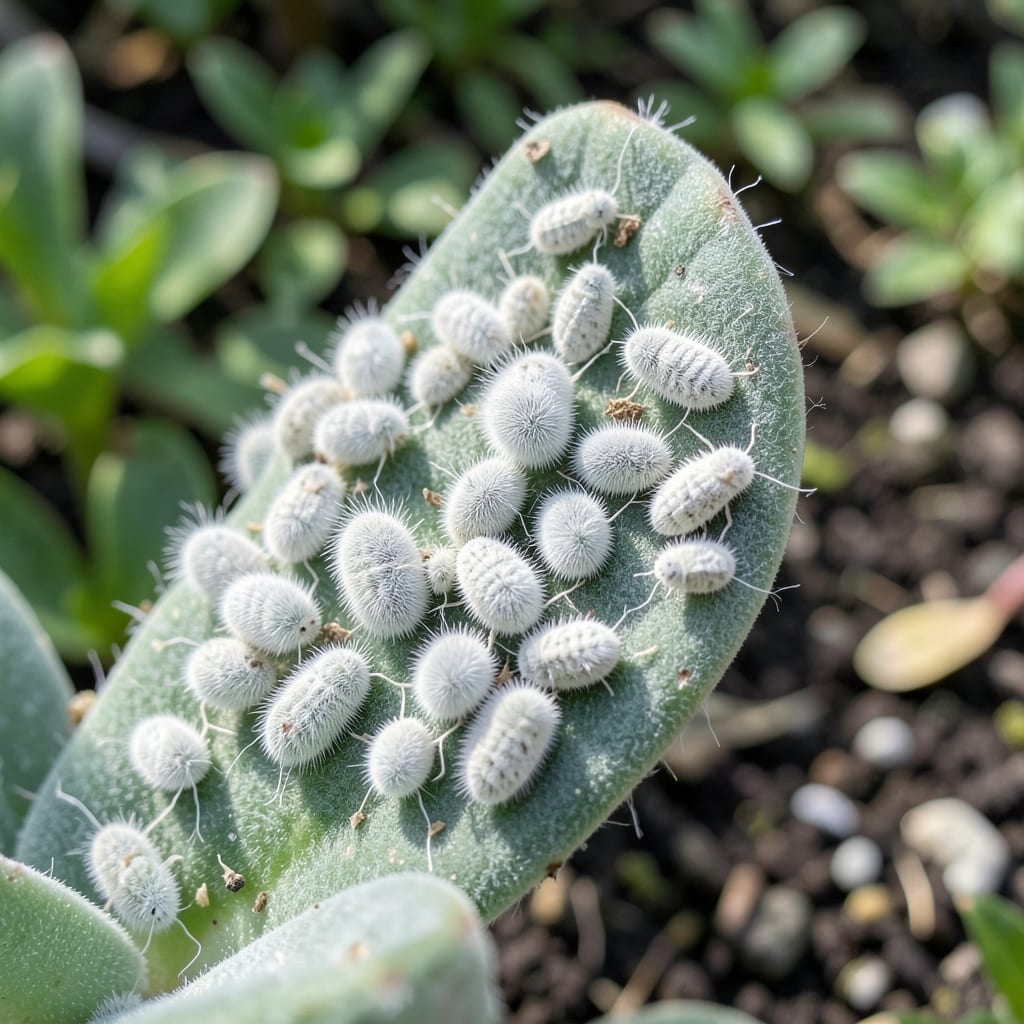
White cottony clusters on your succulents aren’t just unsightly—they’re mealybugs feeding on your plants. I’ve lost a few favorites to these pests, but there’s a foolproof way to stop them.
These bugs weaken succulents by sucking sap, leaving sticky residue and stunted growth. The good news? They’re slow-moving and easy to spot early if you check under leaves and stem joints.
With a few household items and consistency, you can remove them safely. I’ve tested methods that work without harming the plant or the environment.
No fancy tools needed—just patience and the right approach to keep your collection thriving.
Mealybugs on succulents don’t appear out of nowhere. These pests thrive under specific conditions, and understanding the root causes can help you prevent and address infestations effectively. Here’s why they show up:
Succulents packed too closely together create a humid microclimate—exactly what mealybugs love. Limited airflow traps moisture, encouraging their rapid reproduction. Space plants at least 2-3 inches apart and ensure good ventilation to disrupt their ideal habitat.
Succulents are drought-tolerant, but soggy soil or high humidity weakens them, making them more susceptible to pests. Mealybugs are drawn to stressed plants with soft, waterlogged tissues. Water only when the soil is completely dry, and avoid misting, which can invite infestations.
Plants under stress—whether from poor light, nutrient deficiencies, or physical damage—produce fewer natural defenses. Mealybugs target these vulnerable specimens, feeding on their sap. Provide bright, indirect light and a balanced fertilizer to keep succulents resilient.
Mealybugs often hitch a ride on infected soil or newly purchased plants. Even a single egg sac can spawn a full-blown infestation. Quarantine new plants for 2-3 weeks and use sterile, well-draining soil mixes to minimize risk.
Mealybugs can be stubborn, but these targeted solutions will help you reclaim your succulents. Act fast to prevent these pests from spreading to other plants.
For mild infestations, start by isolating the affected plant. Use a soft brush or cotton swab dipped in 70% isopropyl alcohol to gently remove visible mealybugs. Focus on leaf axils, stems, and soil surfaces where they hide. Repeat every few days until all signs of pests are gone.
Mix 1 part neem oil with 3 parts water and a few drops of dish soap. Spray the solution directly onto mealybug clusters, ensuring full coverage. Reapply every 5–7 days for 2–3 weeks. Pro tip 💡: Test on a small area first to avoid leaf burn.
Commercial insecticidal soaps are effective and safe for succulents. Follow the label instructions, and spray thoroughly, especially under leaves. Avoid applying in direct sunlight to prevent stress.
Mealybugs often lurk in the soil. Repot the plant in fresh, sterile potting mix and discard the old soil. Soak the roots in a 1:10 hydrogen peroxide-to-water solution for 10 minutes to kill hidden pests before repotting.
Prevention Tips: ✨ Inspect new plants before bringing them home. Keep succulents dry and well-ventilated, as mealybugs thrive in damp conditions. Quarantine infested plants immediately to protect others.
Check leaf joints and under leaves for white, cottony clusters. These pests often hide in crevices, so inspect new growth and stems weekly.
No, discard old soil to prevent reinfestation. Repot with fresh, sterile potting mix to start clean. This eliminates hidden eggs or larvae.
Dish soap can help, but it’s most effective mixed with neem oil or alcohol. A 1:3 neem-to-water ratio with soap works best for thorough coverage.
Repeat treatments every 5–7 days for 2–3 weeks to break the pest lifecycle. Consistency is key to full eradication.