
Beautiful Plants For Your Interior
Beautiful Plants For Your Interior
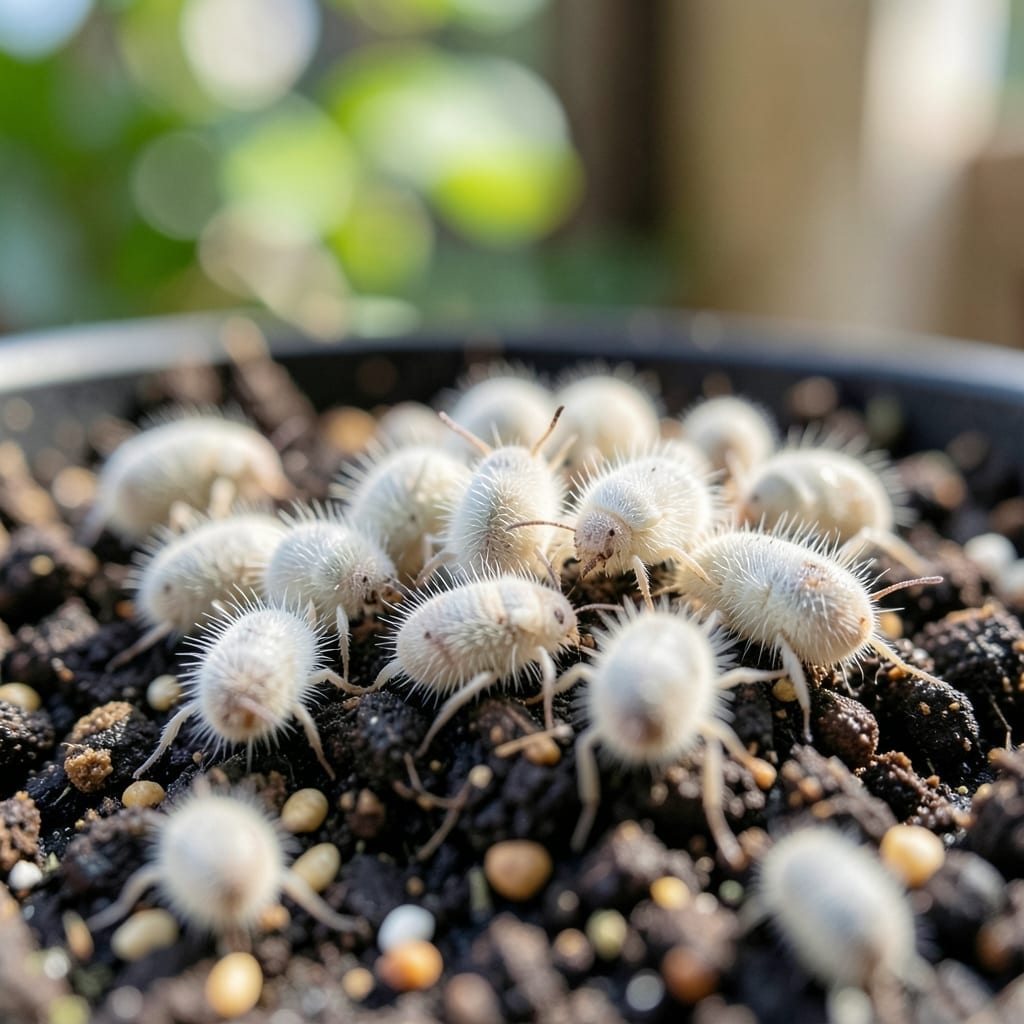
White fluff in your soil means trouble. Mealybugs spread fast, sucking life from roots while you’re not looking.
I first spotted them after my pothos started wilting for no obvious reason. Tiny cotton-like clusters hid under the surface, multiplying daily. Organic fixes like neem oil and beneficial nematodes work, but you need to act within 24-48 hours to prevent a full-blown infestation.
Chemical treatments exist, yet I prefer the foolproof approach: isolate the plant, remove visible pests, then treat the soil. Prevention is simpler—keep soil healthy and avoid overwatering.
This method saves plants in 3-5 days and keeps them thriving long-term. Your garden will thank you.
Mealybugs in soil often stem from specific environmental and biological conditions. Understanding these triggers helps prevent future outbreaks.
Excess moisture creates an ideal habitat for mealybugs. Soggy soil lacks oxygen, stressing plant roots and attracting pests. Ensure pots have drainage holes and use well-aerated soil mixes to discourage infestations.
Decaying leaves, dead roots, or uneaten mulch provide food and shelter for mealybugs. Regularly remove plant debris and avoid over-fertilizing, which can leave residue that feeds these pests.
Mealybugs hitchhike via infected soil, reused pots, or unsterilized gardening tools. Always pasteurize soil (heating to 180°F for 30 minutes kills eggs) and clean tools with rubbing alcohol to break the pest cycle.
These pests thrive in temperatures between 70–90°F with high humidity. Greenhouses or indoor gardens without airflow are prime targets. Improve ventilation and use fans to reduce humidity levels below 50%.
Pro tip: Yellow sticky traps near plants can catch adult mealybugs before they lay eggs in the soil.
Dealing with mealybugs in your soil doesn’t have to be a losing battle. Here’s how to tackle the issue head-on, with simple, actionable fixes for every scenario.
Mealybugs thrive in soggy soil. Stop watering immediately and let the top 1-2 inches of soil dry out. Repot plants in fresh, well-draining soil mixed with perlite or sand to prevent future infestations. Ensure pots have drainage holes to avoid standing water.
If mealybugs are deeply embedded, remove the plant and discard the infested soil. For mild cases, drench the soil with a neem oil solution (1 tbsp neem oil + 1 tsp dish soap per gallon of water) or insecticidal soap. Repeat every 5-7 days until the bugs are gone.
Gently rinse the roots under lukewarm water to remove visible mealybugs. Trim any heavily damaged roots with sterilized shears. Quarantine the plant for 2-3 weeks to monitor for recurring pests before reintroducing it to other plants.
Consistency is key. Stick to these steps, and your soil—and plants—will stay mealybug-free!
Look for white, cottony clusters on the surface or just below it. They often hide near plant stems or in crevices. A magnifying glass helps confirm their presence.
Only if thoroughly treated. Bake soil at 180°F for 30 minutes to kill eggs, or discard it to prevent reinfestation. Never reuse untreated soil.
For active infestations, apply neem oil or insecticidal soap every 5-7 days for 2-3 weeks. Stop once no new pests appear for 14 days.
Isolate the plant immediately and remove visible pests by hand. Treat the soil and roots within 24 hours to prevent further damage.