
Beautiful Plants For Your Interior
Beautiful Plants For Your Interior
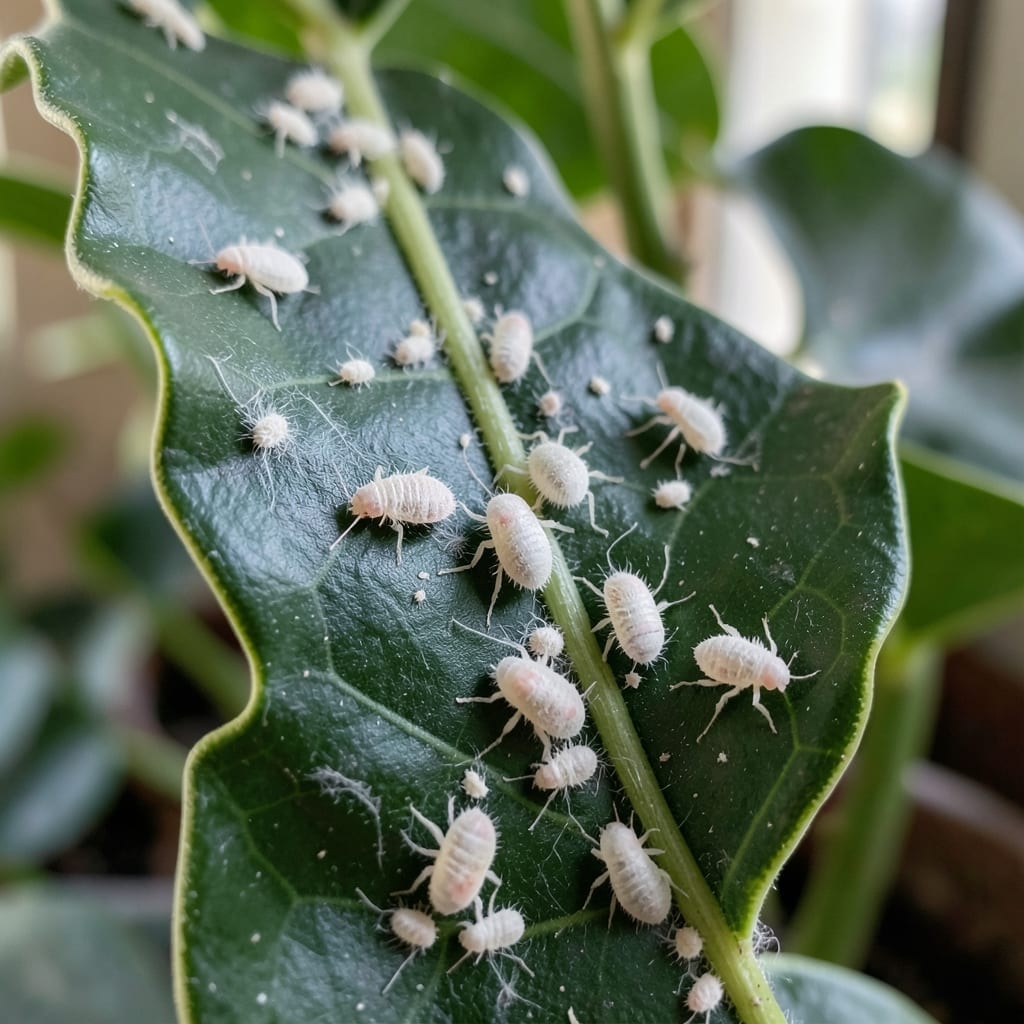
White cottony clusters on your ficus leaves mean trouble. 🌿 Mealybugs spread fast, but I’ve stopped infestations in their tracks with simple, natural methods that don’t harm your plants.
These pests thrive in warm, dry conditions, often hiding in leaf axils and stem joints. I noticed them first on my 6-foot ficus when the leaves started yellowing. Catching them early saves you weeks of frustration.
With a few household items and consistent checks, you can eliminate them without chemicals. The key is targeting their waxy coating, which repels water and most sprays.
Works for indoor trees, shrubs, and even outdoor ficus. Here’s how to fight back.
Mealybugs on ficus plants don’t appear out of nowhere—they thrive when conditions align in their favor. Understanding the root causes helps you prevent outbreaks before they start. Here’s why these pests take hold:
Mealybugs flourish in warm, dry environments with stagnant air. Ficus plants kept in low humidity (below 40%) or exposed to temperature spikes (above 80°F/27°C) create ideal breeding grounds. Overheated indoor spaces or poor ventilation weaken the plant’s natural defenses, making it more susceptible to infestation.
Excess nitrogen from over-fertilizing promotes soft, sappy growth—mealybugs’ favorite food. Stressed ficus plants (due to underwatering, root rot, or nutrient deficiencies) also emit chemical signals that attract pests. A weakened plant lacks the vigor to fend off invaders.
In outdoor or greenhouse settings, beneficial insects like ladybugs, lacewings, or parasitic wasps keep mealybug populations in check. Indoor ficus plants often lack these predators, allowing mealybugs to multiply unchecked. Without biological controls, even a few hitchhiking pests can explode into a full-blown infestation.
Mealybugs often enter your home via infected soil or newly purchased plants. Reusing potting mix without sterilization or introducing an untreated ficus from a nursery can introduce eggs or crawlers. Always quarantine new plants for 2–3 weeks and inspect soil thoroughly before repotting.
Mealybugs can be stubborn, but these targeted solutions will help you reclaim your ficus. Address the issue as soon as you spot it to prevent further spread.
For a small number of mealybugs, start with a hands-on approach:
If mealybugs have spread, try these effective sprays:
💡 Pro tip: Always test sprays on a small leaf area first to check for sensitivity.
Inspect your ficus every 7-10 days during warm months. Focus on leaf axils, stem joints, and undersides where they hide. Early detection prevents widespread damage.
Vinegar alone isn’t effective against mealybugs’ waxy coating. Stick with 70% isopropyl alcohol or neem oil solutions for best results. Vinegar may harm plant tissue.
They return due to eggs hidden in crevices or untreated soil. Quarantine new plants for 2-3 weeks and sterilize potting mix. Boost humidity to deter them.