
Beautiful Plants For Your Interior
Beautiful Plants For Your Interior
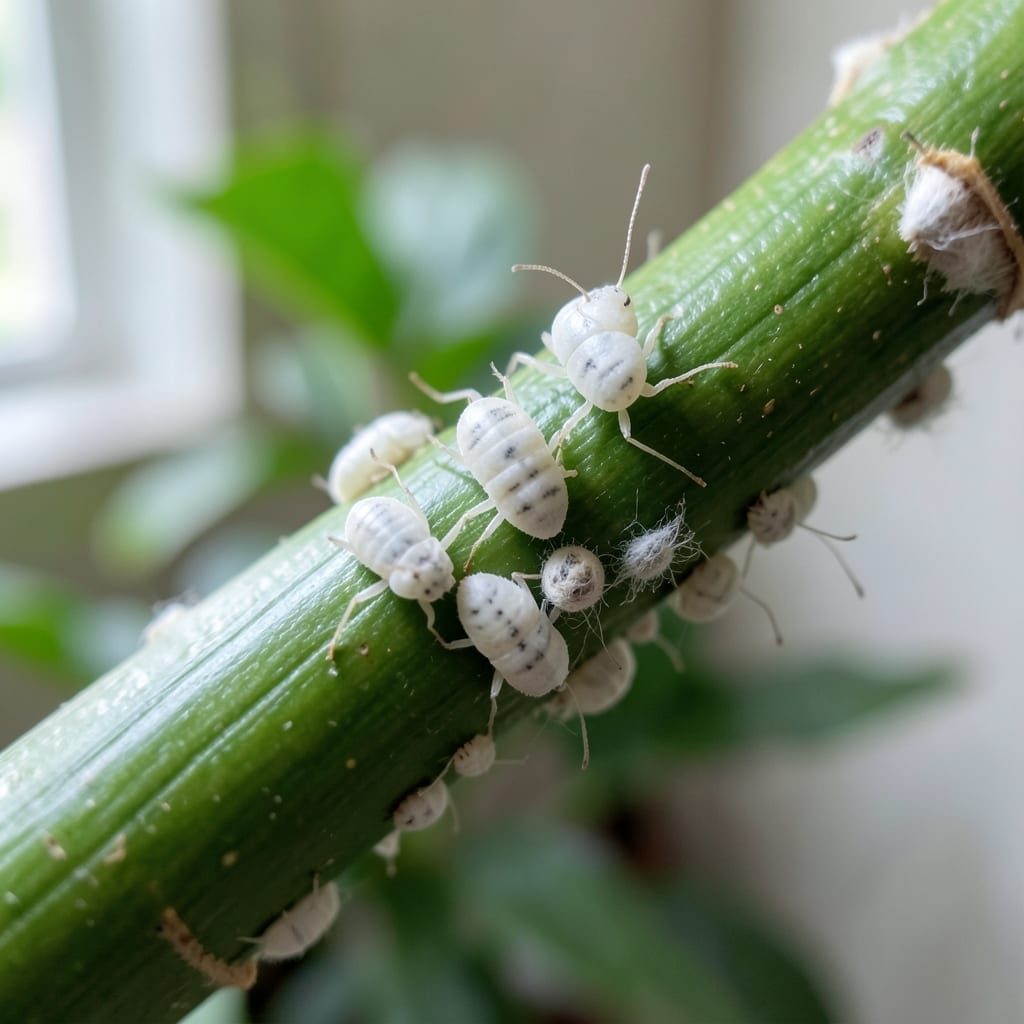
White cottony spots on your bamboo aren’t decorative. They’re mealybugs, and they’ll spread fast if ignored.
I lost a prized bamboo to these pests before learning the organic removal tricks that work. The key is catching them early and being relentless with treatment. Simple supplies from your kitchen and garden center do the job without harsh chemicals.
Within a week of consistent effort, you’ll see the white clusters disappear and new growth return. Your bamboo will look healthy again, with no lingering damage or chemical residue.
Works for indoor and outdoor bamboo alike. Here’s the step-by-step method that saved my plants.
Mealybugs thrive on bamboo due to specific environmental and biological factors. Understanding these causes helps prevent infestations and keeps your plants healthy. Below are the primary reasons mealybugs target bamboo:
Mealybugs flourish in warm, humid environments, which are common in bamboo-growing areas. Temperatures between 70–90°F (21–32°C) and high moisture levels create ideal breeding grounds. Poor air circulation exacerbates the issue, allowing colonies to spread rapidly.
Excess nitrogen in fertilizer promotes soft, succulent growth—a mealybug favorite. Over-fertilized bamboo lacks natural defenses, making it more susceptible to pests. Stick to balanced, slow-release fertilizers to avoid this.
In outdoor settings, mealybugs are often controlled by ladybugs, lacewings, or parasitic wasps. However, potted bamboo or indoor plants lack these predators, allowing infestations to grow unchecked. Introducing beneficial insects can restore balance.
Dead leaves, debris, or dust on bamboo provide hiding spots for mealybugs. Regularly inspect and clean your plants, especially in hard-to-reach areas like leaf axils and stems, to remove potential breeding sites.
Mealybugs can be stubborn, but these targeted solutions will help you reclaim your bamboo’s health. Address the issue early for the best results.
If you spot a few mealybugs, start with a hands-on approach. Use a cotton swab dipped in rubbing alcohol (70% isopropyl) to gently dab and remove the pests. Focus on leaf axils, stems, and undersides where they hide. Repeat every few days until they’re gone.
Prevention tip: 💡 Inspect new plants before introducing them to your bamboo to avoid spreading pests.
For larger outbreaks, mix 1 tablespoon of dish soap and 1 tablespoon of neem oil into a quart of water. Spray this solution thoroughly over the plant, ensuring it reaches all crevices. Reapply every 5–7 days until the mealybugs disappear.
Prevention tip: ✨ Encourage beneficial insects like ladybugs or lacewings, which naturally prey on mealybugs.
If the infestation persists, use a systemic insecticide labeled for ornamental plants. Follow the product instructions carefully, and avoid overuse to protect your bamboo’s health. This method works from the inside out, targeting hidden pests.
Prevention tip: 🌡️ Improve airflow around your bamboo by spacing plants properly and pruning dense growth.
Look for white, cottony clusters in leaf axils, stem joints, or undersides. Early signs include sticky residue or black sooty mold, which often accompany the pests. Check new growth regularly, as they target tender areas first.
No, vinegar is ineffective and can damage bamboo. Instead, use 70% isopropyl alcohol on a cotton swab for spot treatment. For larger infestations, a neem oil and soap spray works better without harming the plant.
Yes, mealybugs spread quickly, especially in warm, humid conditions. Isolate infested bamboo immediately and inspect nearby plants. Quarantine new plants for 2-3 weeks to prevent contamination.