
Beautiful Plants For Your Interior
Beautiful Plants For Your Interior
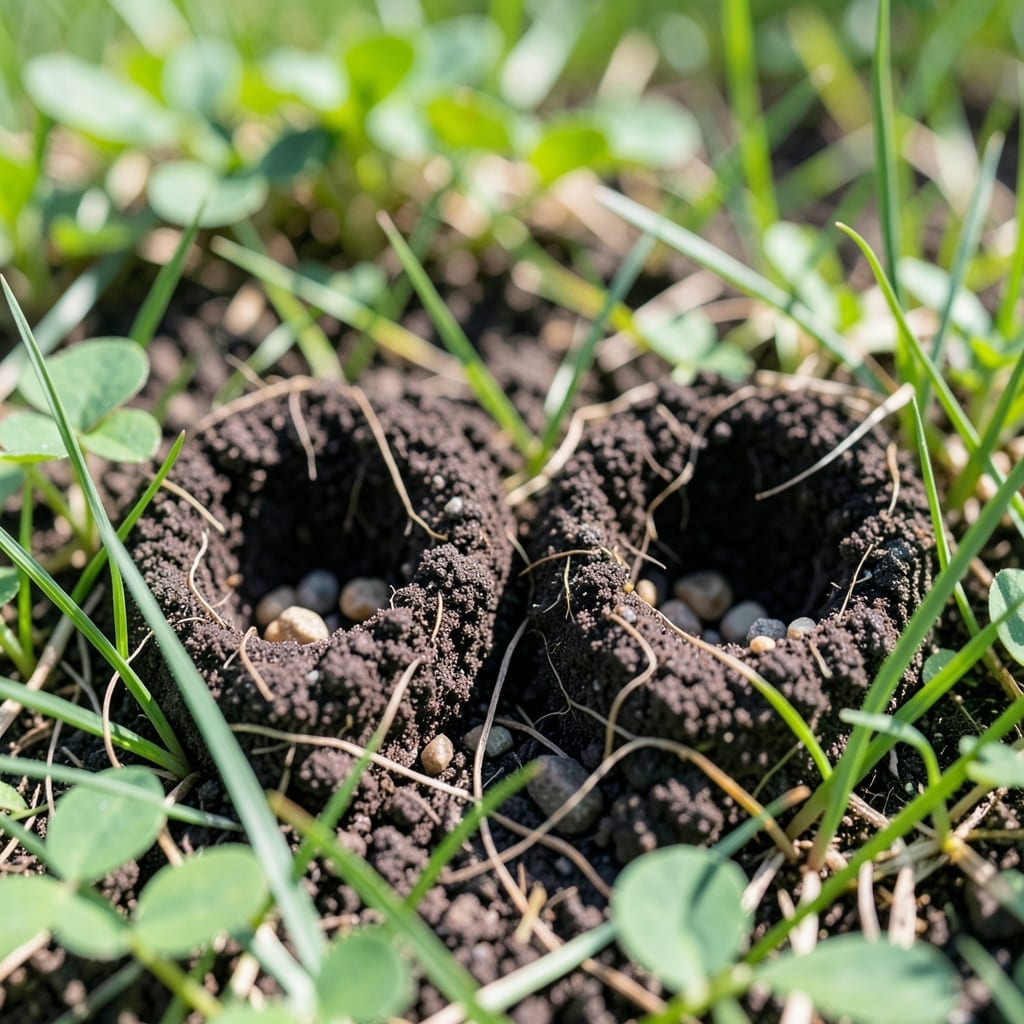
I spotted my first vole hole last spring—a 2-inch opening near the hostas. Turns out these little diggers can turn a perfect lawn into a Swiss cheese nightmare overnight.
They’re not just ugly; they undermine plant roots and create pathways for weeds. The good news? You can outsmart them without chemicals or cruelty.
Humane traps work surprisingly well, and repairing the damage is simpler than you’d think. I’ve tested both and can walk you through the exact steps.
By next weekend, your yard can look like the voles were never there. No poison, no guilt, just clean results.
Meadow voles dig holes for several key reasons, primarily tied to survival and habitat needs. Understanding these causes helps you address the issue effectively.
Voles create shallow burrows to escape predators and harsh weather. Their holes, often 1–2 inches wide, provide insulation and protection. These tunnels connect to nesting chambers lined with grass, where they raise their young.
Meadow voles are herbivores, feeding on grasses, roots, and seeds. They dig to access underground food sources, like tubers and bulbs. Surface runways (visible as flattened grass) often lead to these feeding holes.
Voles are territorial and expand their range by digging new holes. A single vole can create multiple entry points, especially in dense vegetation. This behavior peaks in fall and spring when populations grow.
Check for fresh diggings at dawn or dusk—this is when voles are most active. Early intervention prevents extensive lawn damage.
Dealing with meadow vole holes in your lawn or garden can be frustrating, but there are practical, humane solutions to reclaim your space. Below are targeted fixes for common causes, along with prevention tips to keep these pests from returning.
If voles have tunnelled through your grass, start by setting humane traps near active holes. Use apple slices or peanut butter as bait, and check traps daily. Once the voles are relocated, fill holes with soil and tamp it down. Reseed bare patches and water regularly to help grass recover. Prevention tip: 💡 Mow your lawn regularly—tall grass provides cover for voles.
Voles love munching on plant roots and bulbs. Protect vulnerable areas by installing hardware cloth barriers (bury them 12 inches deep) around garden beds. You can also plant vole-resistant species like daffodils, marigolds, or mint. Prevention tip: ✨ Keep your garden free of debris, such as mulch piles or fallen leaves, which attract voles.
If voles keep coming back, it’s time to make your yard less inviting. Remove brush piles, wood stacks, and dense ground cover. Trim back overgrown shrubs and use gravel or stone borders around gardens to create a vole-free zone. Prevention tip: 🎯 Encourage natural predators like owls or hawks by adding perches or nest boxes to your property.
With these steps, you can repair the damage and keep meadow voles from making a comeback. Consistency is key—stay vigilant, and your lawn and garden will thrive!
Most go just 2-4 inches deep, with shallow surface runways. Their tunnels rarely exceed 6 inches deep, as they prefer staying close to the surface for easy access to food.
Look for fresh 1-2 inch openings with chewed grass or dirt mounds. Press down runways with your foot—active ones reopen within 24 hours.
Sometimes! A dog’s scent can deter them, but determined voles may still dig. For best results, combine a pet’s presence with hardware cloth barriers.