
Beautiful Plants For Your Interior
Beautiful Plants For Your Interior
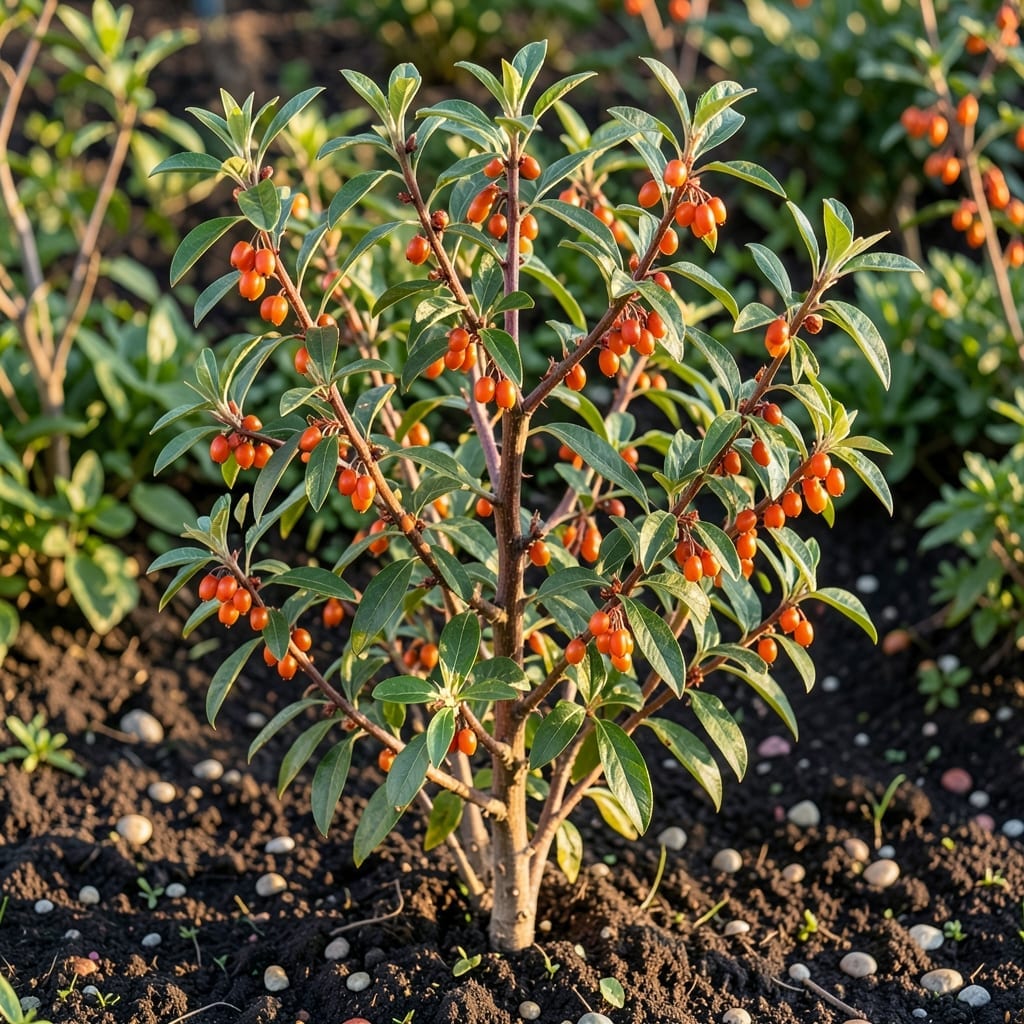
Unlock the full potential of your garden by pairing mature Goji Berry 🫐 plants with the right companions. These strategic pairings can boost yield, deter pests, and improve soil health naturally.
I’ve seen firsthand how the right neighbors can transform a struggling plant into a thriving one. With mature Goji Berry plants, the difference is even more dramatic.
In this guide, I’ll share the best companion plants to maximize your harvest while keeping maintenance minimal. You’ll be amazed at how simple changes can lead to such big results.
Discover which plants to pair and which to avoid for the healthiest, most productive Goji Berry shrubs in your garden.


Companion planting is a game-changer for mature goji berry plants. The right neighbors can boost growth, repel pests, and even enhance flavor in your harvest. I’ve seen firsthand how strategic pairings transform a garden’s productivity.
For goji berries, focus on plants that thrive in similar conditions: full sun and well-draining soil. These companions should also complement their growth without competing for nutrients. Let’s dig into the best options.
| Companion Plant | Benefit for Goji Berries | Care Notes |
|---|---|---|
| Lavender | Repels aphids and whiteflies | Full sun, drought-tolerant |
| Borage | Attracts pollinators like bees | Self-seeding, low maintenance |
| Nasturtiums | Deters pests and improves soil | Edible flowers, fast-growing |
| Chives | Repels Japanese beetles and aphids | Perennial, easy to grow |
| Marigolds | Controls nematodes and soil-borne pests | Annual, bright blooms |
Lavender is my top pick for mature goji berry plants because it repels common pests while adding a fragrant touch to the garden. Its low water needs make it a perfect match for goji’s drought tolerance.
Borage is another star companion. It attracts pollinators, which can increase berry production by up to 30%. Plus, its blue flowers contrast beautifully with goji’s red berries.
Nasturtiums serve a dual purpose: they deter pests like aphids and improve soil health as a living mulch. I plant them at the base of my goji shrubs for a natural ground cover.
Chives are a must-have for any goji berry garden. They repel harmful insects while their mild onion flavor doesn’t compete with the berries. They’re also perennial, so they return year after year.
Marigolds round out the list with their pest-controlling superpowers. They suppress nematodes in the soil, which can stunt goji berry growth. Plant them 12 inches away from your goji shrubs for best results.
Each of these companions offers unique benefits while thriving alongside mature goji berry plants. Experiment to find the perfect combo for your garden’s microclimate and needs 🌿
While companion planting offers many benefits, some plants can harm your mature goji berry plants. These incompatible neighbors may compete for nutrients, attract pests, or even stunt growth. I’ve seen gardens suffer when the wrong pairings are made.
It’s crucial to steer clear of plants that create negative interactions. Some of the worst offenders include fennel, which can inhibit growth, and brassicas like cabbage or broccoli, which attract pests that also target goji berries.
⚠️ Avoid These Plants Near Goji Berries
Fennel – Inhibits growth and attracts pests.
Brassicas – Compete for nutrients and attract shared pests.
Walnut trees – Release juglone, a toxin harmful to goji plants.
Another plant to avoid is the walnut tree. Its roots release juglone, a chemical that can be toxic to many plants, including goji berries. This can lead to stunted growth or even plant death over time.
Even some herbs can cause issues. Mint, for example, is highly invasive and can overtake the space around your goji berries, choking them out. I always recommend planting mint in containers to prevent this.
Lastly, avoid planting nightshade family members like tomatoes and potatoes nearby. They share common pests and diseases, which can quickly spread to your goji berries. Keeping them separated reduces these risks.
By avoiding these incompatible plants, you’ll create a healthier environment for your mature goji berry plants to thrive. It’s all about strategic planning and understanding plant interactions. 🌱