
Beautiful Plants For Your Interior
Beautiful Plants For Your Interior
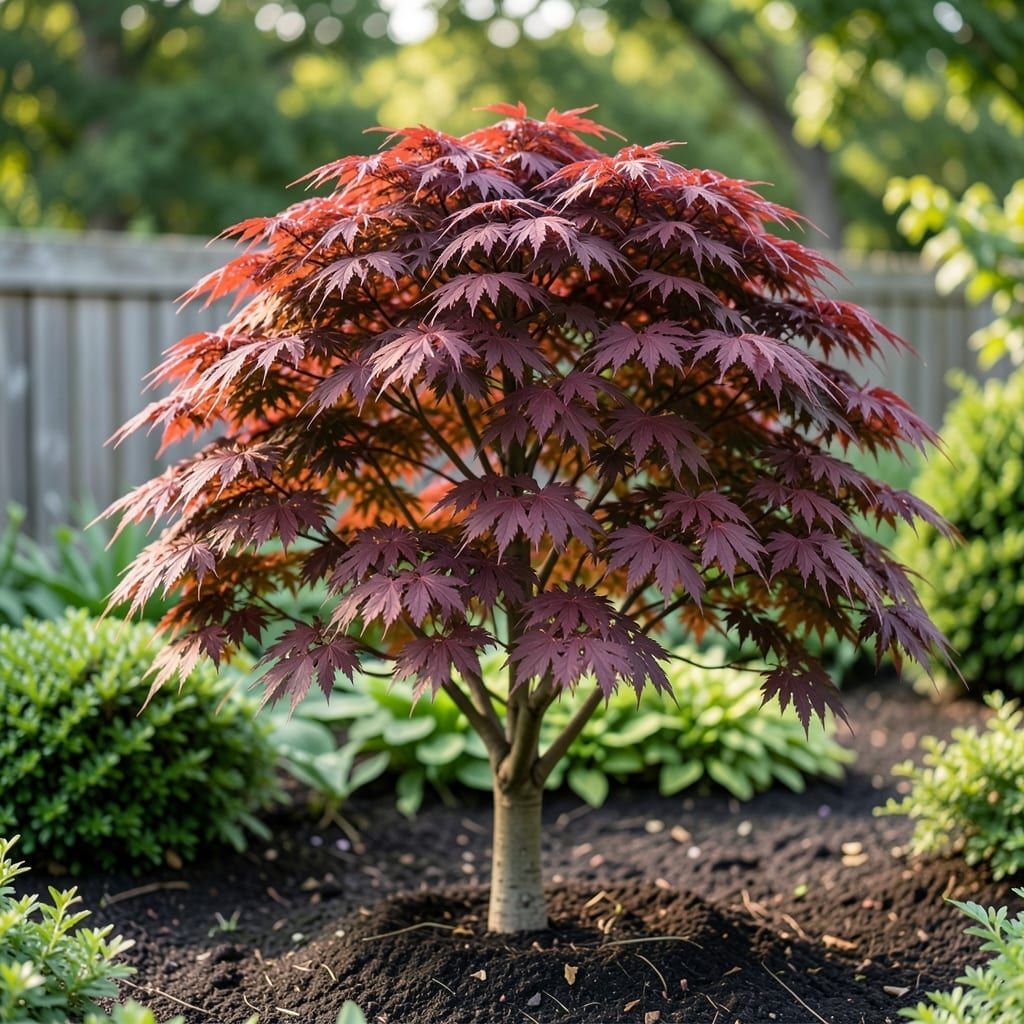
There’s something magical about a mature Bloodgood Japanese Maple 🌳 standing tall in a garden, its deep burgundy leaves adding year-round drama. This slow-growing tree can be the centerpiece of your outdoor space for decades.
But achieving that vibrant foliage and elegant form requires more than just planting it and walking away. Proper care is the key to maintaining its health and stunning appearance.
I’ll walk you through the essential steps to keep your Bloodgood Japanese Maple thriving. From optimal growing conditions to pruning techniques, you’ll discover how to nurture this beauty.
Whether you’re a seasoned gardener or just starting out, these tips will help you create a landscape feature that turns heads. Let’s get started.

I’ve found that the mature Bloodgood Japanese maple thrives in specific conditions to maintain its deep burgundy foliage and elegant form. Getting these right ensures long-term health and vibrant color year after year. Partial shade is ideal for this beauty. 🌳
The Bloodgood maple prefers well-draining, slightly acidic soil to prevent root rot and nutrient deficiencies. In my experience, consistent moisture without waterlogging keeps the roots happy and the leaves lush.
| Requirement | Specification |
|---|---|
| Sunlight | 4-6 hours daily, afternoon shade |
| Soil Type | Well-draining, acidic (pH 5.5-6.5) |
| Water Needs | Medium (Weekly deep soak) |
| USDA Zones | 5-8 |
| Mature Height | 10-20 ft |
For sunlight requirements, I recommend morning sun and afternoon shade to protect the delicate leaves from scorch. This balance keeps the burgundy color rich and prevents leaf burn in hot climates.
The soil pH should be slightly acidic (around 5.5-6.5) for optimal nutrient uptake. I always test my soil before planting and amend it with compost or peat moss if needed. This step is crucial for long-term success. 🌱
Watering deeply once a week works best for established trees, but I adjust this to twice weekly during summer heatwaves. The key is to keep the soil evenly moist but never soggy.
In cold climates (Zones 5-6), I’ve seen these maples benefit from winter mulching to protect the roots. A 2-3 inch layer of organic mulch helps maintain soil temperature and moisture levels.
For container-grown Bloodgoods, I use a large pot with drainage holes and water more frequently since pots dry out faster. The same partial shade rule applies to prevent leaf stress.
I’ve noticed that humidity levels affect leaf color intensity. In drier regions, occasional foliar misting can help maintain that deep burgundy hue, especially during summer months. ☀️
Remember, the Bloodgood Japanese maple is slow-growing, so patience is key. With proper conditions, your tree will reward you with decades of beauty and minimal maintenance needs.
Pruning a mature Bloodgood Japanese maple is essential to maintain its elegant shape and vibrant foliage. I always start by inspecting the tree for dead or diseased branches, which should be removed first to prevent further damage.
Use sharp, clean pruning shears to make precise cuts just above a leaf node or branch collar. This encourages healthy regrowth and minimizes stress on the tree. Avoid pruning during extreme heat or cold, as the tree may be more susceptible to damage.
Timing is crucial for pruning. I recommend pruning in late winter or early spring before new growth starts. This allows the tree to heal quickly and reduces the risk of disease. Avoid heavy pruning in summer or fall, as it can stress the tree.
Regular maintenance also includes mulching and fertilizing. Apply a 2-3 inch layer of mulch around the base to retain moisture and suppress weeds. Fertilize in early spring and fall with a balanced, slow-release fertilizer to support growth.
Monitor your Bloodgood Japanese maple for signs of stress, such as leaf scorch or wilting. Adjust your care routine as needed to ensure the tree remains healthy and vibrant for years to come.
With proper pruning and maintenance, your mature Bloodgood maple will continue to thrive and provide stunning visual interest in your garden 🌳