
Beautiful Plants For Your Interior
Beautiful Plants For Your Interior
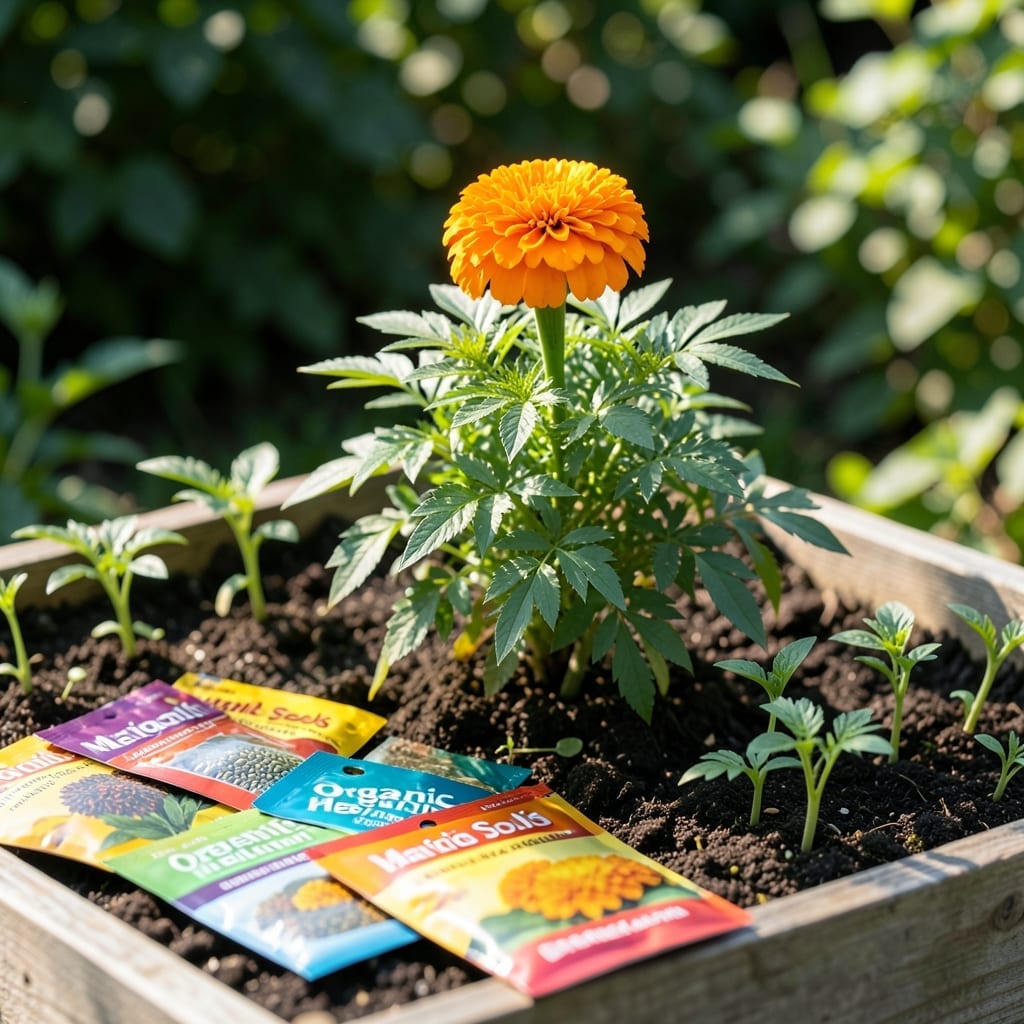
Watching Marigolds 🌼 grow from tiny seeds to vibrant blooms is one of gardening’s most satisfying experiences. That first flash of gold or orange brings pure joy to any garden space.
Understanding the timeline from seed to flower helps you plan, plant, and enjoy their cheerful colors at just the right time. It’s easier than you might think to get this timing perfect.
Whether you’re a beginner or seasoned gardener, knowing what to expect makes the process more rewarding. I’ll share the typical growth stages and what influences them.
Discover how to optimize your planting for the fastest, most beautiful Marigold blooms this season. Let’s dig into the details together.
If you’ve ever wondered how long it takes for marigolds to go from seed to flower, you’re in the right place. Most marigold varieties follow a predictable growth timeline, typically blooming within 45 to 75 days after planting. 🌼
This timeline can vary based on the marigold type, growing conditions, and care. For example, French marigolds often flower faster than African marigolds, which may take a bit longer to produce their large, showy blooms. ☀️
| Stage | Duration | Key Details |
| Germination | 5-10 days | Seeds sprout in warm, moist soil |
| Seedling | 2-3 weeks | True leaves form; thin seedlings |
| Vegetative | 3-4 weeks | Stems and foliage grow rapidly |
| Flowering | 4-8 weeks | First blooms appear; full color develops |
The germination stage is the first critical phase, where marigold seeds need consistent moisture and temperatures around 70-75°F to sprout. I always use a seed-starting tray indoors to control these conditions. 🌱
Once the seedlings emerge, they’ll develop their first set of true leaves within 2-3 weeks. This is when I thin them out to prevent overcrowding and ensure each plant has enough space to thrive. ✂️
The vegetative stage is where the magic happens. Over 3-4 weeks, the plants focus on growing sturdy stems and lush foliage. I make sure they get full sun and regular watering during this period. ☀️
Finally, the flowering stage begins around week 8-12, depending on the variety. French marigolds often bloom first, while African marigolds may take a little longer but reward you with larger flowers. 🌼
Environmental factors like soil temperature, light exposure, and watering consistency can speed up or delay this timeline. Cooler temperatures or poor light can slow growth, so I always aim for optimal conditions. 🌡️
For the fastest results, start your marigold seeds indoors about 6-8 weeks before the last frost. This gives them a head start, and they’ll be ready to transplant outdoors once the soil warms up. 🌿
If you’re sowing directly in the garden, wait until after the last frost when the soil has warmed to at least 60°F. This ensures the seeds germinate quickly and the plants establish themselves without stress. 💧
If you’re eager to see those bright blooms sooner, there are proven ways to accelerate growth. I’ve found that starting seeds indoors 6-8 weeks before the last frost gives them a head start. This simple step can shave weeks off your waiting time.
Warm soil is another game changer. Marigolds thrive when soil temps hit 70-75°F. A heated seed mat or black plastic mulch can work wonders for early planting. I always check my soil temp with a simple thermometer before sowing.
Light exposure is critical for fast growth. Seedlings need 14-16 hours of light daily. I use grow lights on a timer to ensure they get enough, especially during shorter spring days. Without enough light, they’ll grow leggy and weak.
Watering plays a big role too. Keep soil evenly moist but never waterlogged. I water my marigolds in the morning so they dry out slightly between waterings. This prevents root rot while encouraging strong growth.
A light balanced fertilizer at planting time helps, but don’t overdo it. Too much nitrogen leads to leafy growth instead of flowers. I use a 5-10-10 formula every 4-6 weeks for best results.
Finally, avoid overcrowding seeds. Plant them 1 inch apart when starting indoors. This prevents competition for light and nutrients. When it’s time to transplant, space them 8-12 inches apart in the garden for optimal airflow and growth.
With these tips, you’ll be enjoying vibrant marigold blooms in as little as 45 days from seed 🌼