
Beautiful Plants For Your Interior
Beautiful Plants For Your Interior
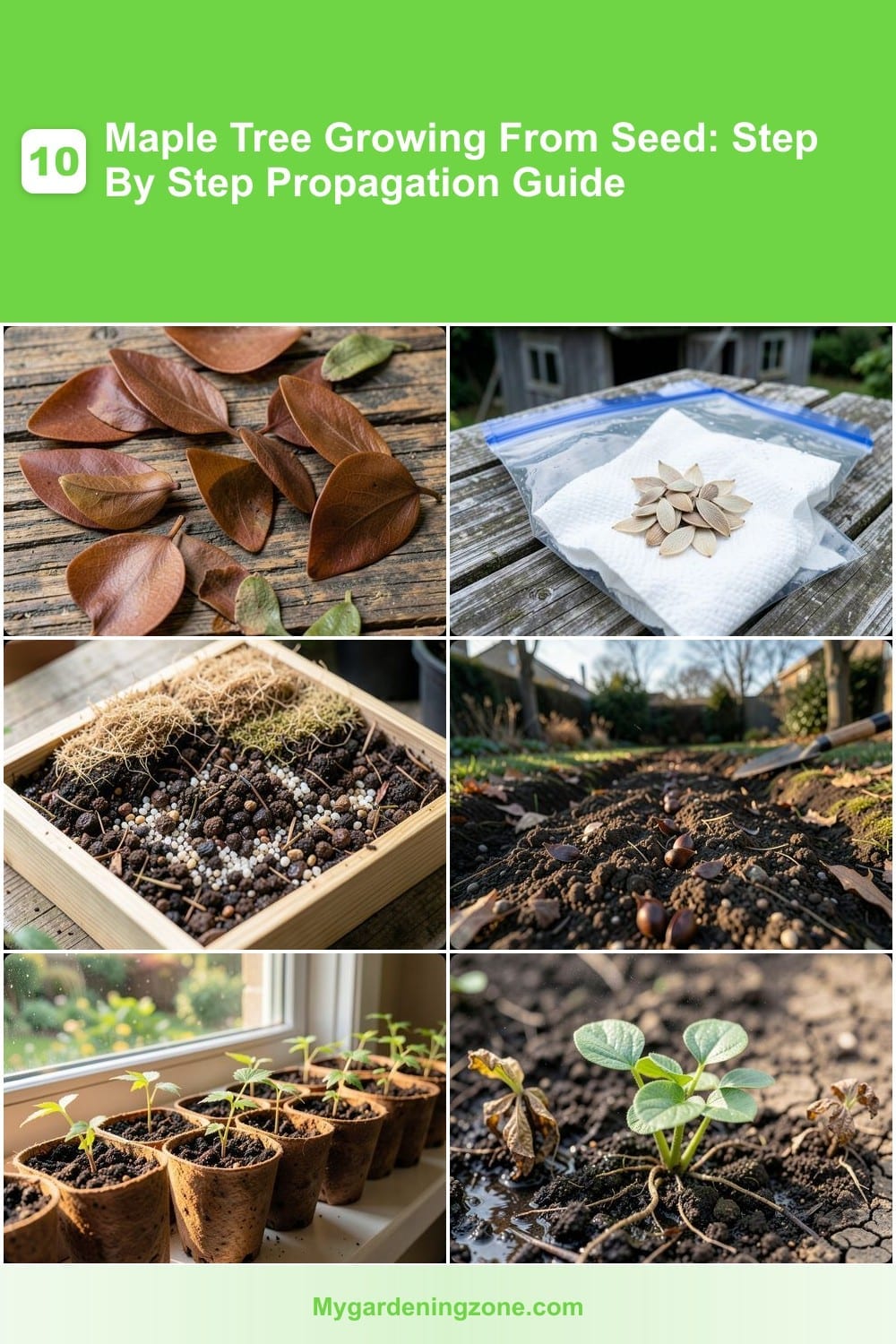
Growing a maple tree from seed is a rewarding journey that connects you with nature’s cycles. This step-by-step guide covers everything from seed selection to sapling care, helping you cultivate these iconic trees in your own backyard.
Not all maple seeds are created equal—picking the right ones makes or breaks your germination success. Look for fully mature samaras that have turned brown and feel firm, not green or rubbery.
Check for intact seed pods with no cracks or mold, and give them a gentle squeeze—viable seeds feel solid inside. Red maple and sugar maple seeds are ready when they detach easily from the tree in late summer or fall.
Starting with quality seeds gives you the best shot at healthy saplings. Happy seed hunting! 🌱
Many gardeners don’t realize that maple seeds need a cold wake-up call before they’ll sprout. Cold stratification mimics winter conditions, breaking dormancy so seeds recognize it’s time to grow when spring arrives.
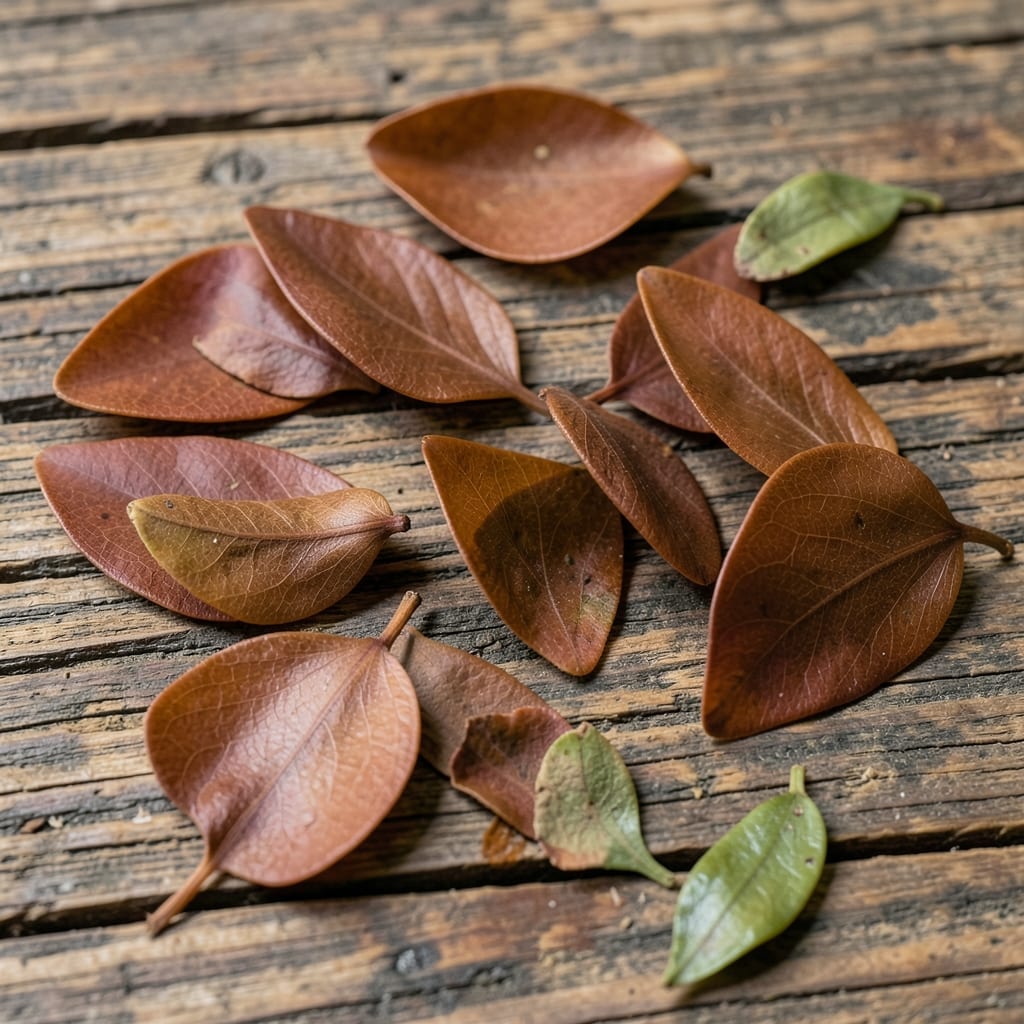
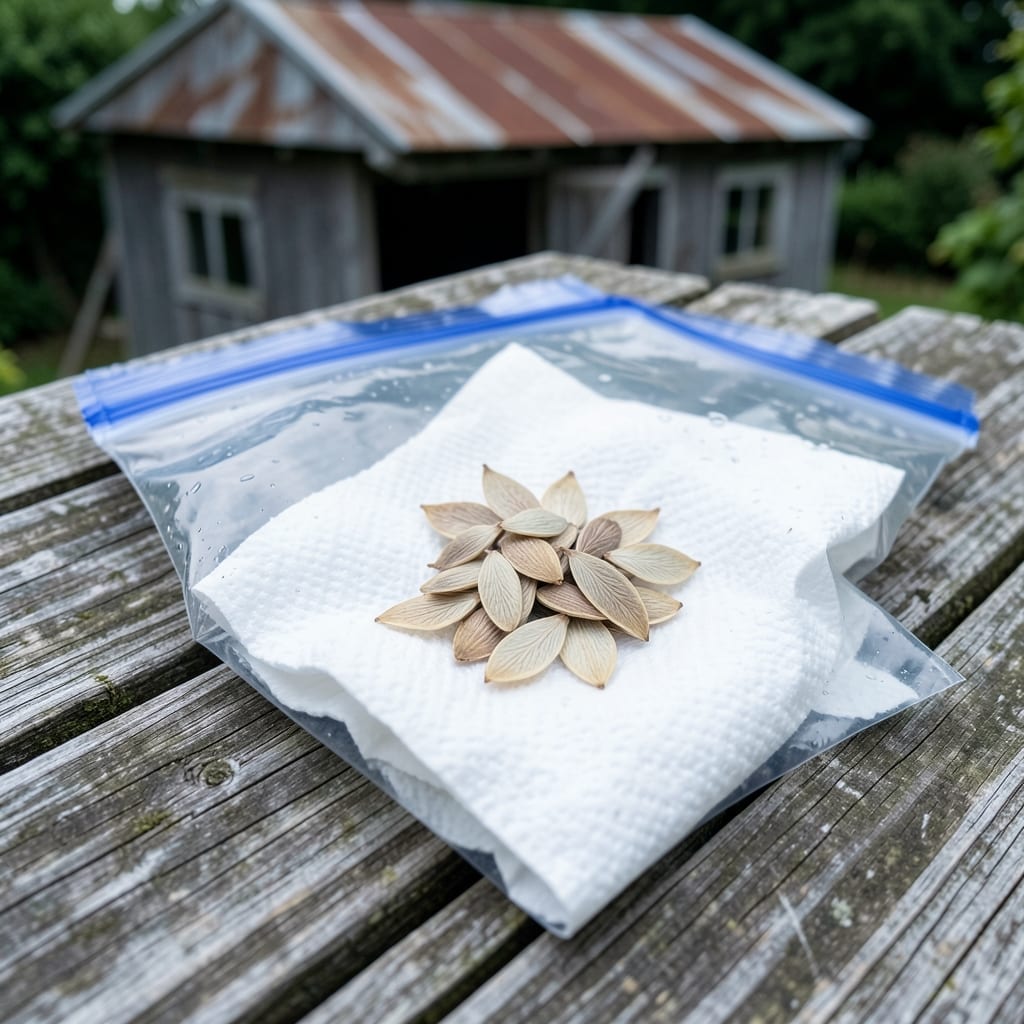
Place your seeds in a moist paper towel inside a sealed plastic bag, then store them in the refrigerator for 60-90 days at 33-40°F. Check weekly to ensure the medium stays damp but not soggy. This simple process dramatically improves germination rates.
Perfect for patient gardeners who want to start their maple trees the natural way. 🌱
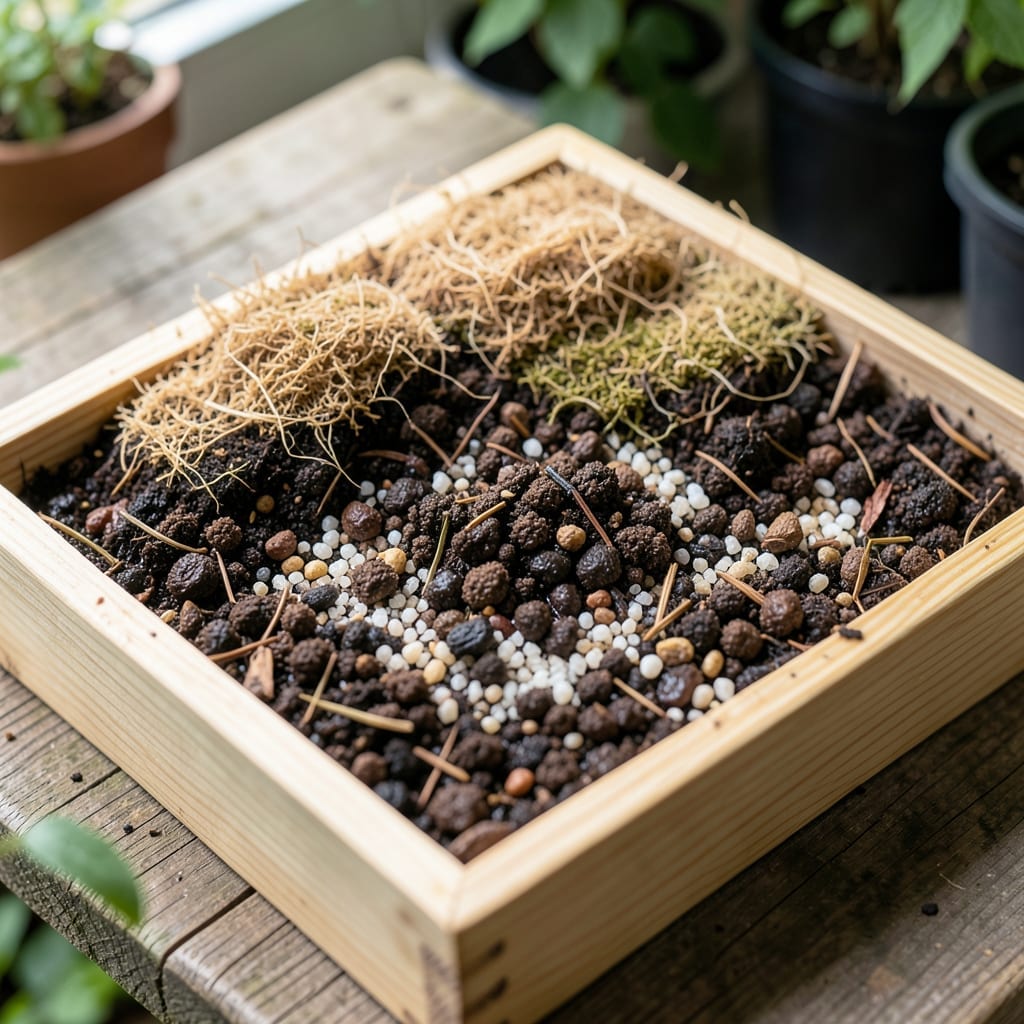
Young maple roots need soil that holds moisture without staying soggy. The right mix prevents root rot while ensuring consistent hydration during germination.
Start with a base of 50% high-quality compost and add 30% perlite or coarse sand for drainage. Top it off with 20% peat moss or coconut coir to retain moisture. This blend mimics the forest floor where maples naturally thrive.
This method works best for gardeners starting seeds in containers or prepared beds. Your seedlings will establish stronger root systems with this balanced approach. 🌱
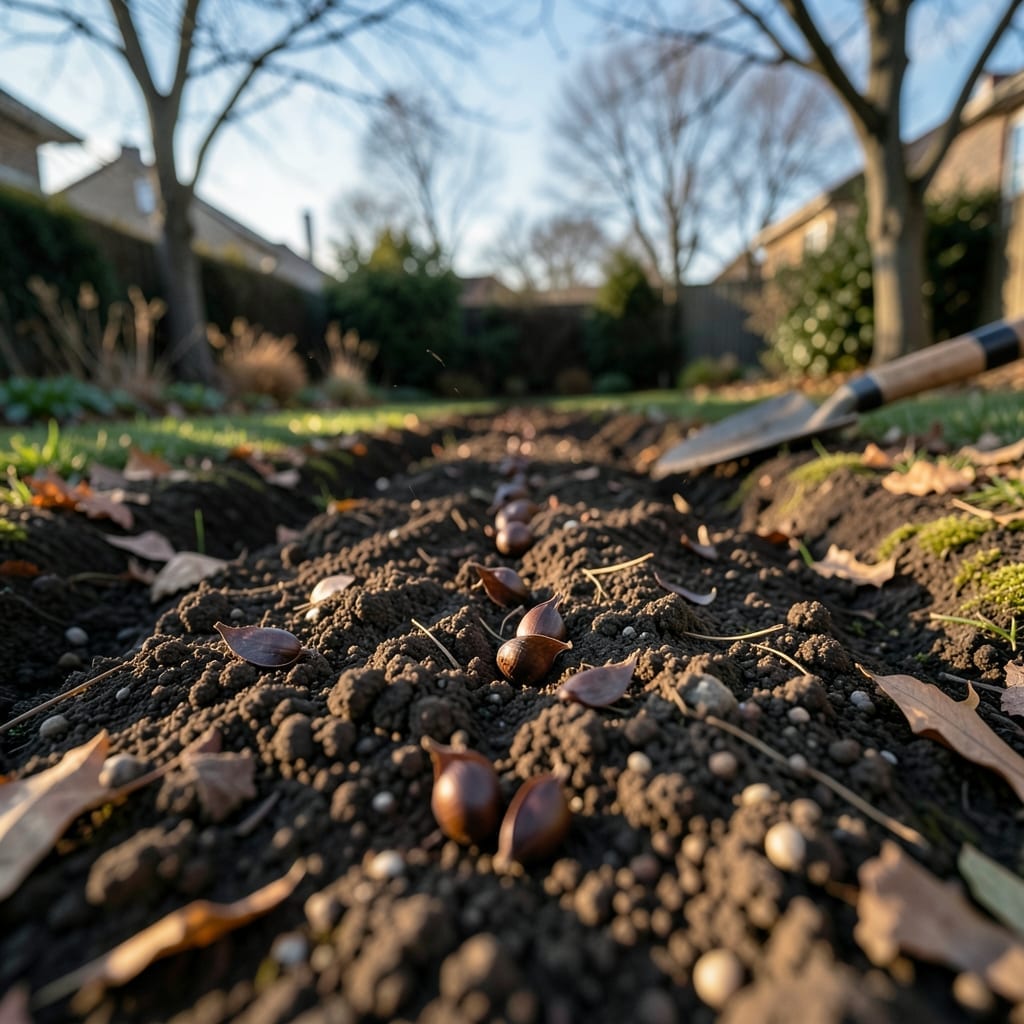
Skip the indoor fuss and let nature do the work by direct sowing maple seeds outside. This hands-off approach is perfect for gardeners who prefer low-maintenance methods.
Choose a well-draining spot with partial shade, and plant stratified seeds 1-2 inches deep in early spring. Nature’s seasonal cues will trigger germination, often yielding stronger, more climate-adapted seedlings.
Ideal for those with space and patience who want to minimize transplant shock. Watch your future shade tree begin its journey right in the soil. 🌱
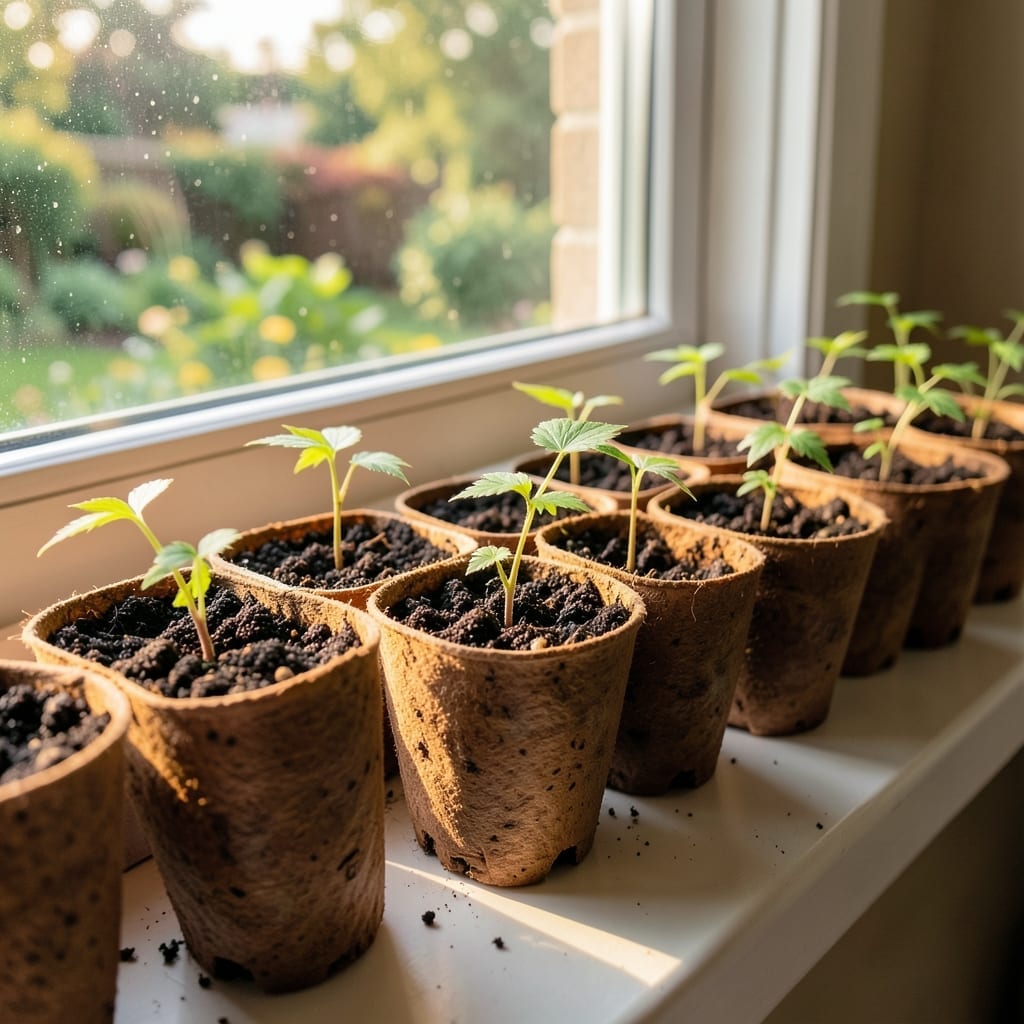
Tired of losing seedlings to late frosts or hungry critters? Indoor seed starting gives your maple seeds a safe head start away from unpredictable weather and pests.
Use peat pots or seed trays filled with sterile potting mix, and place them near a south-facing window or under grow lights for 12-14 hours of light daily. Keep the soil consistently moist and maintain temperatures between 65-75°F for optimal germination.
This method is ideal for gardeners in colder climates or those who want to extend their growing season. Your maple seedlings will be strong and ready for transplanting when spring arrives. 🌱
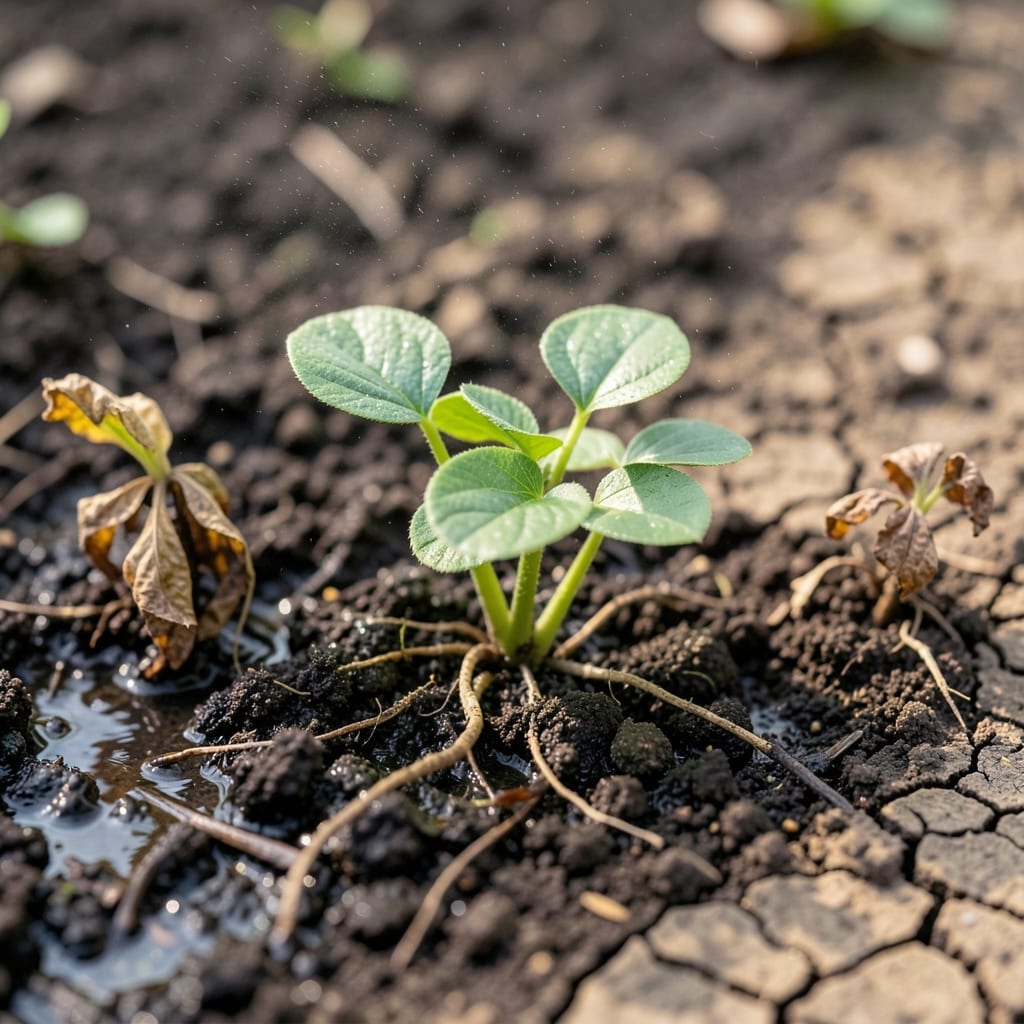
Too much water drowns maple seedlings, while too little stunts their growth. The key is maintaining consistently moist soil that lets roots breathe while promoting steady development.
Water your seeds gently with a spray bottle or fine mist, keeping the top inch of soil damp but never soggy. For containers, ensure drainage holes prevent waterlogging. A simple finger test—poking the soil to feel moisture depth—helps you gauge when to water.
This approach works best for patient gardeners who want to nurture strong, healthy root systems from the start. 🌱
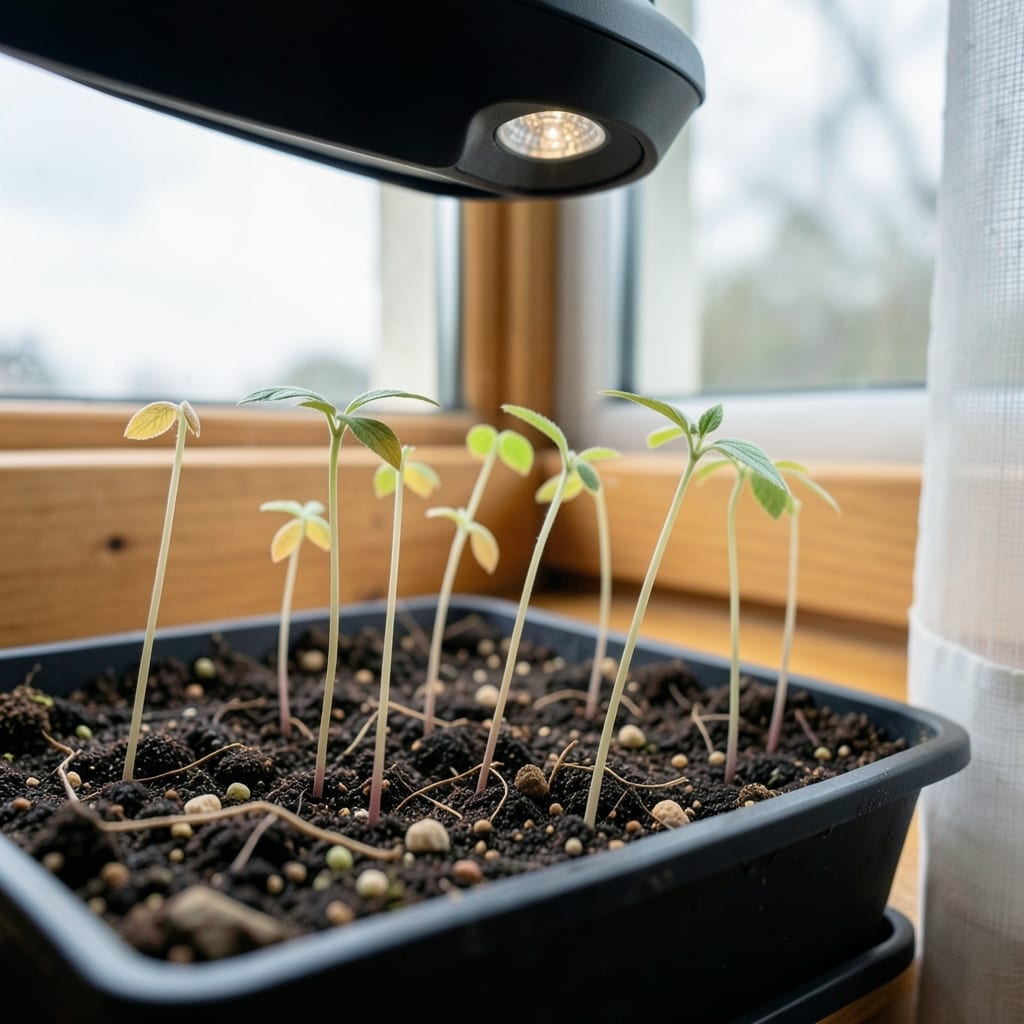
Leggy, weak seedlings are often a sign of insufficient light during early growth. Maple seedlings need changing light conditions as they develop—bright, indirect light for germination, then 12-14 hours of direct light daily once sprouted.
Start with a south-facing windowsill or grow lights 2-3 inches above seedlings, raising them as plants grow. Too little light causes stretching toward the source, resulting in fragile stems. Rotate trays daily to ensure even growth.
This approach prevents sparse, floppy seedlings and builds strong, stocky plants ready for transplanting. Perfect for serious growers who want robust maples. 🌱
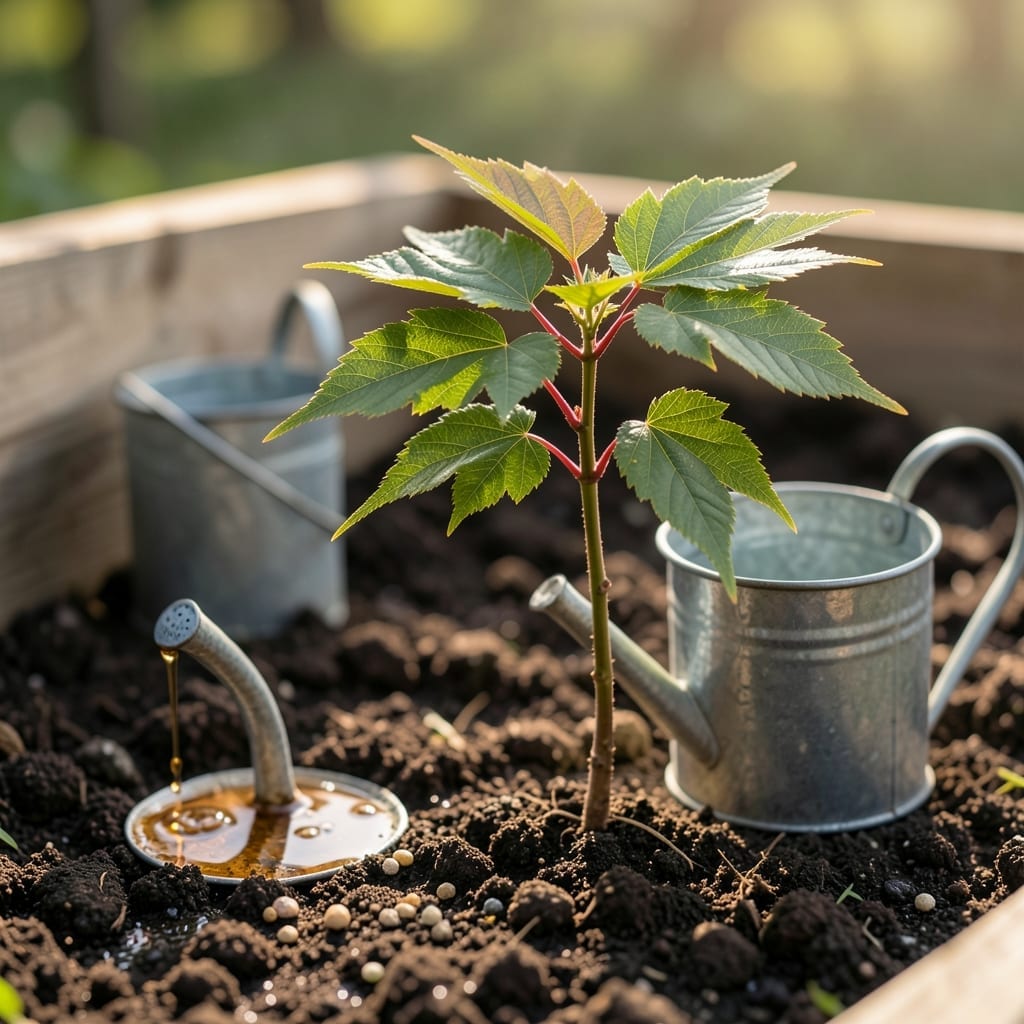
Young maple trees need nutrients, but too much fertilizer can harm their delicate root systems. The key is a gentle approach that supports growth without overwhelming new plants.
Wait until your seedling has at least two sets of true leaves before fertilizing. Use a balanced, water-soluble fertilizer diluted to half strength, applying it every 4-6 weeks during the growing season. This prevents burning while providing essential nutrients for strong development.
This method ensures your young maple establishes a robust foundation for years of healthy growth. Perfect for gardeners who want to nurture their trees safely. 🌱
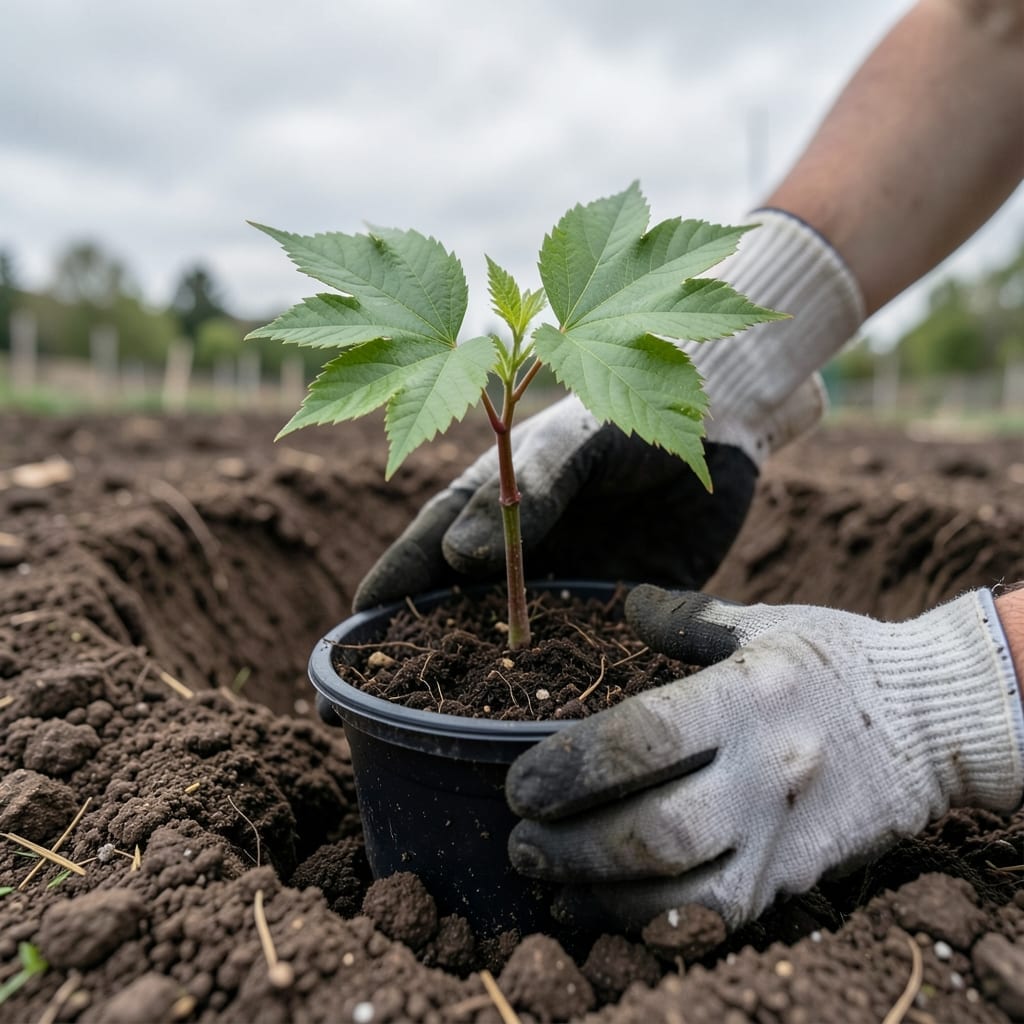
Your container-grown maple seedling is ready for its forever home when it has 2-4 sets of true leaves and has been hardened off. The key to minimal transplant shock is timing—move it during cool, overcast days in early spring or fall.
Dig a hole twice as wide as the root ball but no deeper. Gently loosen the roots if they’re circling, then place the seedling at the same depth it was growing in its container. Backfill with native soil and water thoroughly to settle the roots.
This method works best for gardeners ready to establish their maple in a permanent location. Your tree will thank you with strong, steady growth. 🌱
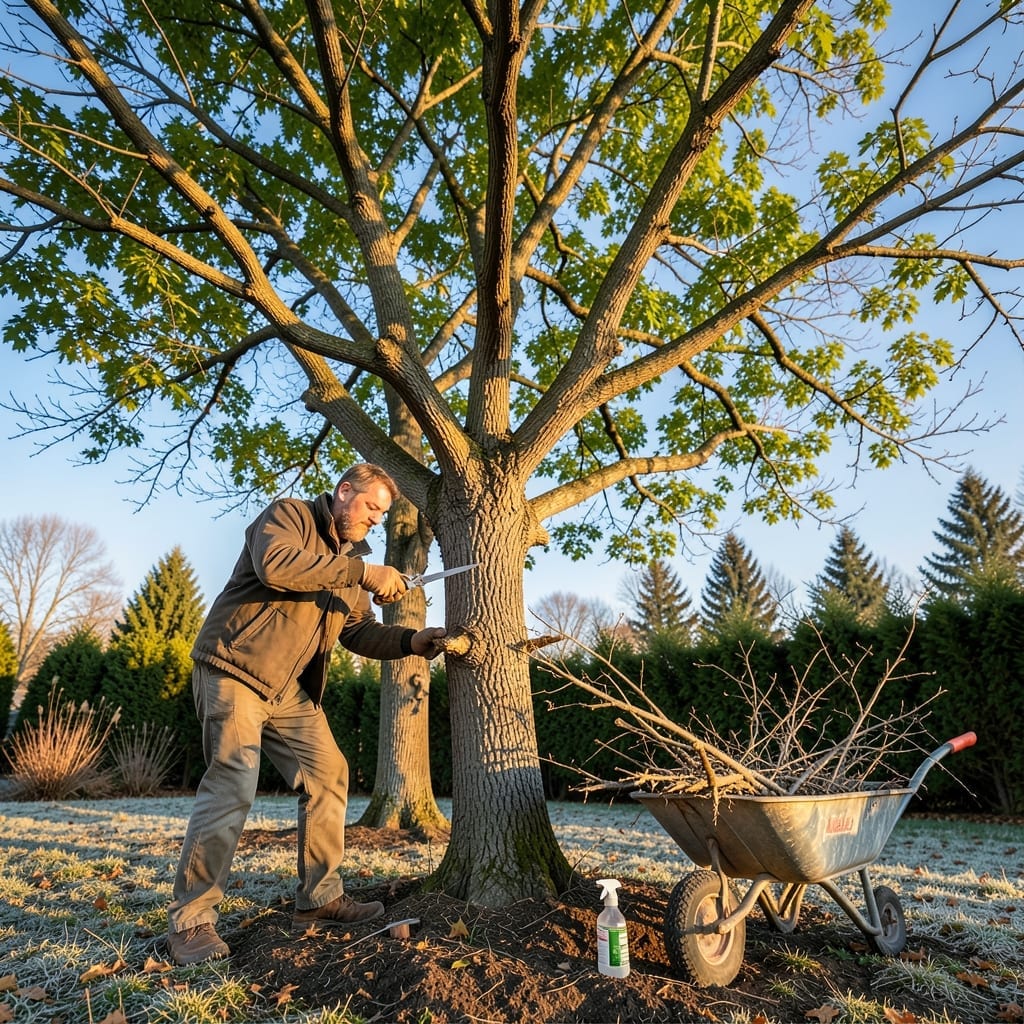
Once your maple tree is established, consistent maintenance ensures it thrives for generations. Focus on annual pruning in late winter to remove dead or crossing branches, which improves airflow and reduces disease risk.
Monitor for common pests like aphids or scale insects, treating early with horticultural oil if needed. Apply a 2-3 inch layer of mulch around the base to retain moisture and suppress weeds, but keep it away from the trunk to prevent rot.
This long-term approach rewards patient gardeners with a healthy, beautiful tree that provides shade and seasonal color for decades. 🌿