
Beautiful Plants For Your Interior
Beautiful Plants For Your Interior
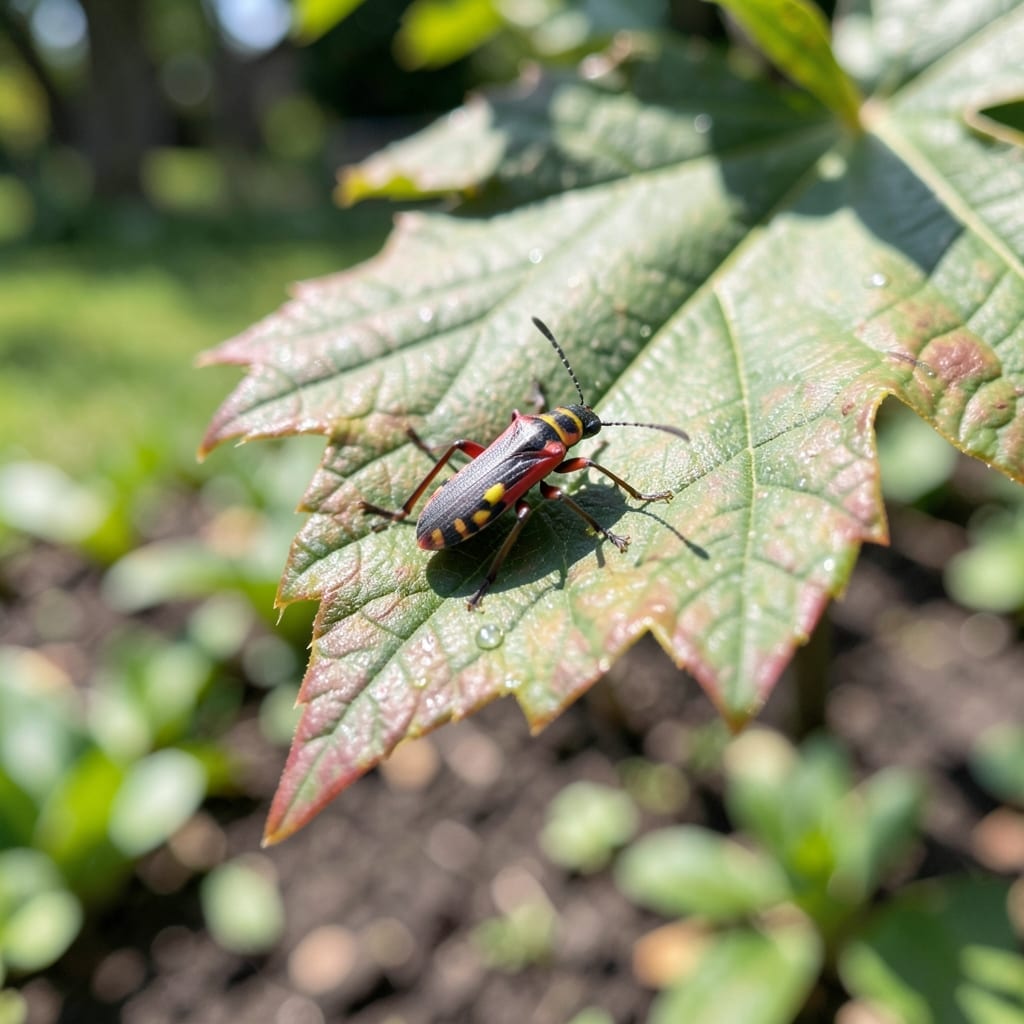
Nothing ruins a perfect maple like tiny invaders. I’ve watched aphids, scales, and borers turn healthy trees into struggling ones, but natural solutions can restore them fast.
These pests sap strength, distort leaves, and weaken branches over time. The key is early action—spot the signs, then strike with targeted treatments that won’t harm the tree or the environment.
You’ll see new growth return within weeks, and the tree’s resilience improves with each season. Preventative care keeps bugs from coming back, so you spend less time battling infestations.
Works for young saplings and mature maples alike. Here’s how to reclaim your tree’s health, naturally.
Maple trees often fall victim to pests due to a mix of environmental and biological factors. Understanding these triggers helps prevent and manage infestations effectively.
Stressed or diseased maples emit signals that attract insects like aphids and scale. Drought, poor soil, or root damage compromise their defenses, making them easy targets. Regular watering, mulching, and soil testing can strengthen their resilience.
Spring and early summer are peak times for pests like maple leafhoppers and mite outbreaks. Warmer temperatures accelerate insect reproduction, while fresh foliage provides abundant food. Monitor trees closely during these seasons for early signs.
Imbalanced ecosystems with fewer beneficial insects (e.g., ladybugs, lacewings) allow pests to thrive. Avoid broad-spectrum pesticides, which kill helpful predators. Instead, introduce natural enemies or use neem oil for targeted control.
Urban pollution, compacted soil, or extreme weather (e.g., heatwaves) weaken maples, inviting infestations. Improve air circulation, reduce soil compaction, and shield trees from harsh conditions to minimize stress.
Dealing with pests on your maple tree? Here’s how to tackle the most common issues and restore your tree’s health with practical, easy-to-follow solutions.
Blast aphids off with a strong stream of water from a garden hose to dislodge them. For stubborn infestations, mix 1 tablespoon of neem oil and 1 teaspoon of dish soap in a gallon of water, then spray the leaves thoroughly. Reapply every 5–7 days until the pests are gone. Prevention tip: 💡 Encourage beneficial insects like ladybugs by planting companion flowers nearby.
Scale insects can be tricky due to their protective shells. Use horticultural oil (dormant oil) in early spring or late fall when the tree is not in active growth. Spray evenly to smother the pests. Prevention tip: 🎯 Inspect your tree regularly for early signs of scale, such as sticky residue or black sooty mold.
Spider mites thrive in dry conditions. Mist your tree regularly to increase humidity and deter them. For severe cases, introduce predatory mites or use insecticidal soap. Prevention tip: ✨ Keep your tree well-watered, especially during hot, dry spells.
Handpick Japanese beetles in the early morning when they’re sluggish. Drop them into a bucket of soapy water to dispose of them. For larger infestations, apply milky spore powder to the soil to target grubs. Prevention tip: 🌡️ Use floating row covers on young trees to block adult beetles.
With these targeted solutions, your maple tree can bounce back quickly—naturally and effectively!
Aphids, scale insects, and spider mites are frequent invaders. Japanese beetles and leafhoppers also target maples, especially during warm months.
Look for sticky residue, black sooty mold, or distorted leaves. Tiny webbing indicates spider mites, while chewed foliage often means beetles.
Yes, neem oil is a natural, non-toxic treatment. Mix 1 tablespoon with water and dish soap, then spray leaves thoroughly for best results.
Early spring or late fall is ideal for dormant oil treatments. For active pests, apply solutions at first signs of damage to prevent spreading.