
Beautiful Plants For Your Interior
Beautiful Plants For Your Interior
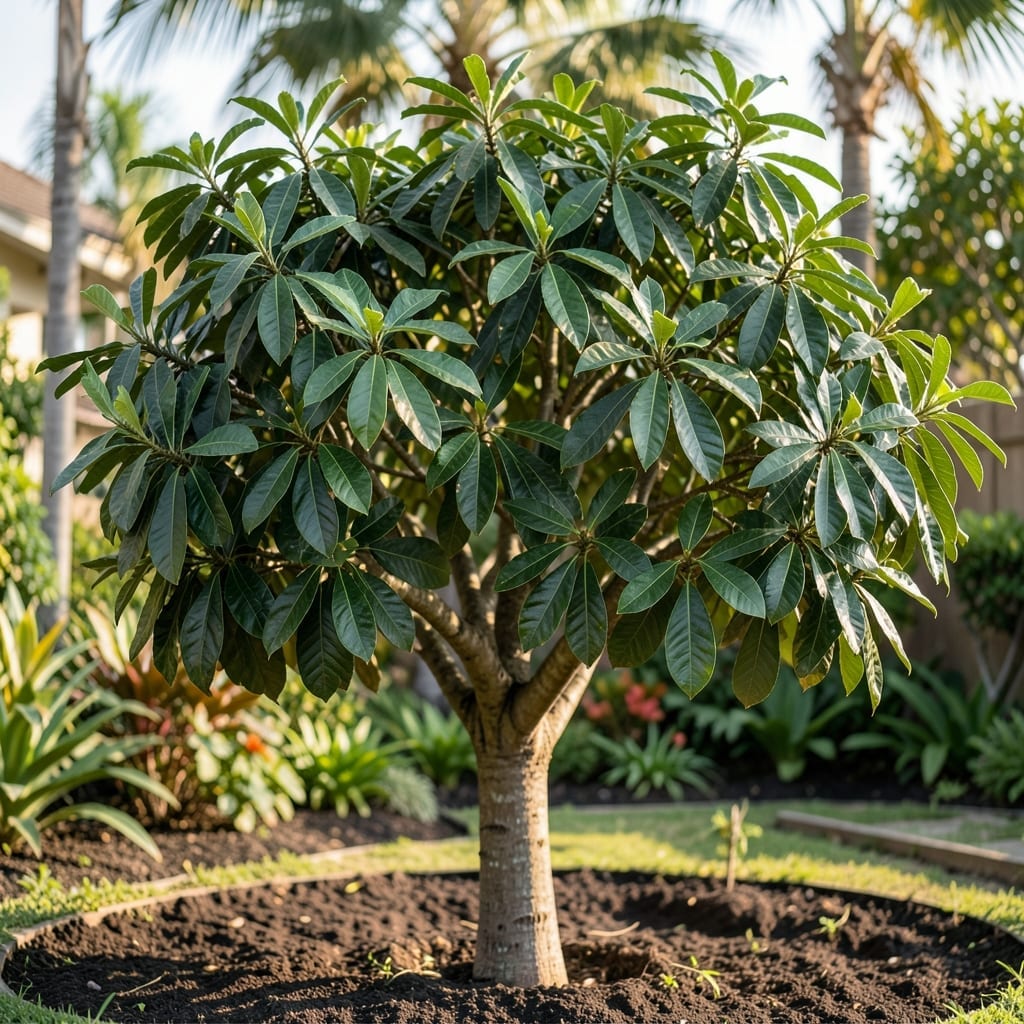
Those mango tree leaves tell a story before problems appear. I check mine daily now after losing a young tree to scale infestations that started with subtle yellowing.
Catching issues early means the difference between a healthy tree and one struggling through the season. Simple organic solutions can restore vigor without harsh chemicals that damage the ecosystem.
📚 In This Guide
This method leverages natural compounds in mango foliage to protect your garden organically and effectively.
Gather mature, healthy leaves from a pesticide-free mango tree—young leaves lack the concentrated oils needed for pest deterrence. I always choose fully expanded leaves with a deep green color, as these contain the highest levels of tannins and terpenes that repel insects.
Inspect each leaf for signs of disease or pest infestation. Even small spots or discoloration can indicate fungal issues that might spread to your garden. You’ll need about 20-30 leaves for a standard application, depending on the size of your garden area.
Rinse the leaves thoroughly under running water to remove dust and potential contaminants. Chop them coarsely to increase the surface area for extraction. I prefer using a clean knife and cutting board to avoid cross-contamination with other plant materials.
Boil 1 liter of water and add the chopped leaves. Reduce heat and simmer for 15-20 minutes to release the active compounds. The water should turn a light brown, signaling that the tannins and oils have infused properly.
Remove the pot from heat and let the mixture cool to room temperature. Straining through a fine mesh cloth or cheesecloth ensures no leaf particles remain, which could clog spray equipment. I’ve found that squeezing the leaves in the cloth extracts the last bit of beneficial liquid.
Transfer the strained liquid to a clean spray bottle. If you’re treating a large area, you can dilute the solution with an equal part of water to extend coverage without reducing effectiveness. Label the bottle clearly to avoid confusion with other garden treatments.
Spray the mango leaf extract directly onto the foliage of your plants, focusing on the undersides of leaves where pests like aphids and mites often hide. A fine mist ensures even coverage without runoff. I apply the solution in the early morning or late evening to prevent leaf burn from the sun.
For best results, reapply every 7-10 days or after heavy rainfall, as the natural compounds degrade over time. You’ll notice a reduction in pest activity within 3-5 days of the first application, especially against soft-bodied insects.
Check your plants daily for signs of pest activity or damage. The mango leaf solution works as both a repellent and a mild contact insecticide, so pests should diminish quickly. If you spot new damage, reapply the extract immediately to stay ahead of infestations.
Store any leftover solution in a cool, dark place for up to 1 week. Beyond that, the active compounds begin to break down. For ongoing protection, make fresh batches regularly—this ensures your plants stay healthy and pest-free throughout the growing season.
Small details make a big difference when using natural pest control methods.
Leaf Selection Matters: Always use mature, deep green leaves as specified in Step 1—they contain higher concentrations of the tannins and terpenes that effectively repel pests. Young leaves simply won’t provide the same level of protection for your garden.
Extraction Precision: During Step 2, that 15-20 minute simmer time is crucial. Shorter than 15 minutes and you won’t extract enough active compounds; longer than 20 minutes may degrade some of the beneficial properties. Watch for the water turning light brown as your visual cue.
Application Timing: The early morning or late evening timing mentioned in Step 4 prevents leaf burn from the sun while allowing the solution to work overnight when many pests are most active. This timing also reduces evaporation, giving the solution more time to adhere to plant surfaces.
Storage Solution: Remember that the solution only maintains its potency for up to 1 week as noted in Step 5. I recommend making smaller batches more frequently rather than trying to store large quantities, which might lose effectiveness before you can use them all.
Yes! Mango tree leaves contain compounds like tannins and terpenoids that repel pests like aphids and caterpillars. Boil dried leaves in water, strain, and spray on plants as an organic pest control solution.
Harvest mature, healthy leaves during the dry season for maximum potency. Avoid young or diseased leaves, as they may lack the necessary active compounds for effective pest management.
Absolutely! Neem leaves, garlic, or chili pepper sprays work similarly. Each has unique pest-repelling properties, so choose based on availability and the pests you’re targeting.
Apply every 1-2 weeks or after rain for prevention. For active infestations, spray every 3-5 days until pests are gone. Always test on a small area first to avoid plant damage.
Wilting may occur if the spray is too concentrated. Dilute the solution (1:10 ratio of leaves to water) and avoid spraying in direct sunlight to prevent leaf burn. Reapply with a weaker mix.