
Beautiful Plants For Your Interior
Beautiful Plants For Your Interior
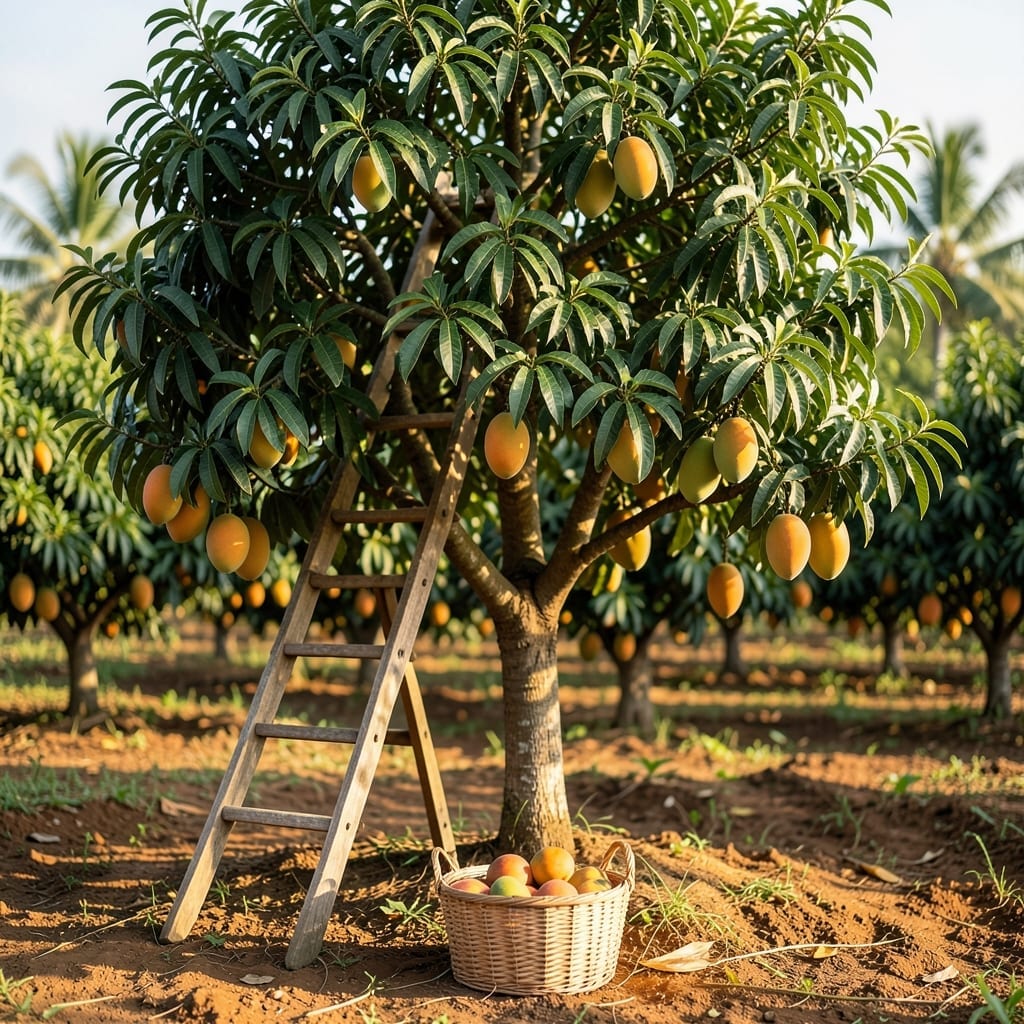
California’s warm embrace makes it a haven for growing sweet tropical fruits like the 🥭. But even in paradise, timing can make or break your harvest.
I’ve learned the hard way that planting or picking at the wrong moment can leave you with lackluster results. The good news? With the right schedule, you can enjoy a juicy, abundant yield year after year.
From the ideal spring planting window to the peak harvest months, the rhythm of mango growth here is predictable once you know the pattern. Let me guide you through the best times to act.
Discover how to sync your efforts with California’s unique climate for a thriving mango season. Your taste buds will thank you.
California’s USDA zones 9-11 offer perfect conditions for mango trees, but timing varies by region. Inland areas like Riverside or San Bernardino warm up faster than coastal zones like San Diego.
For most of California, the ideal planting window is March through April, when frost risk is minimal and soil temperatures rise above 70°F. This gives roots time to establish before summer heat.
| Stage | Timeframe | Key Notes |
| Planting | March-April | Avoid frost-prone February in cooler zones |
| Flowering | April-May | Needs warm nights above 50°F |
| Harvest | June-September | Varies by mango variety |
| Dormancy | December-February | Reduce watering in winter |
In Southern California, Kent mangoes typically ripen from July to August, while Keitt mangoes often hold on the tree until September. Coastal growers may see a 2-3 week delay due to cooler springs.
For northern California (Zone 9), plant in late April after the last frost. Use dwarf varieties like Cogshall or Ice Cream in containers for flexibility. These can be moved indoors during cold snaps.
Soil preparation is key. I always amend planting holes with well-draining mix—50% native soil, 30% compost, and 20% perlite. This prevents root rot in heavy clay soils common in some California regions.
Watering needs change with the seasons. During summer fruit development, I recommend deep watering twice weekly. Reduce to weekly in spring and fall, and bi-weekly in winter when the tree is dormant.
Watch for harvest signs: color change from green to yellow/red, a sweet aroma at the stem, and slight softness when gently squeezed. Picking too early results in starchy fruit, while overripe mangoes may split on the tree.
Inland growers should monitor for heat stress above 100°F. I use shade cloth for young trees during heat waves and ensure consistent moisture. Mulching with wood chips helps retain soil moisture and regulate temperature.
For those in cooler microclimates, consider planting near a south-facing wall or using black landscape fabric to absorb heat. These tricks can extend your growing window by several weeks.
California’s USDA Zones 9-11 are perfect for growing mangoes, but not all varieties thrive equally. I’ve found that Kent, Keitt, and Haden are the top performers for our golden state’s climate.
Each mango type has unique planting windows and harvest times. For example, Keitt mangoes ripen later in the season, while Haden varieties are early producers.
The Kent mango is my favorite for California gardens because it handles coastal humidity well and produces large, sweet fruit consistently.
Keitt mangoes are late-season stars, perfect for inland areas with hotter summers. They’ll give you juicy, fiberless fruit when other varieties have finished. ☀️
For early harvests, Haden mangoes can’t be beat. I recommend planting these in sheltered spots to protect from late frosts in cooler zones.
Remember that dwarf varieties like Cogshall work well in containers if you’re short on space. They still need full sun and regular watering to thrive.
No matter which variety you choose, well-draining soil is non-negotiable. Mango trees hate wet feet, so amend heavy clay with compost before planting. 🌱