
Beautiful Plants For Your Interior
Beautiful Plants For Your Interior
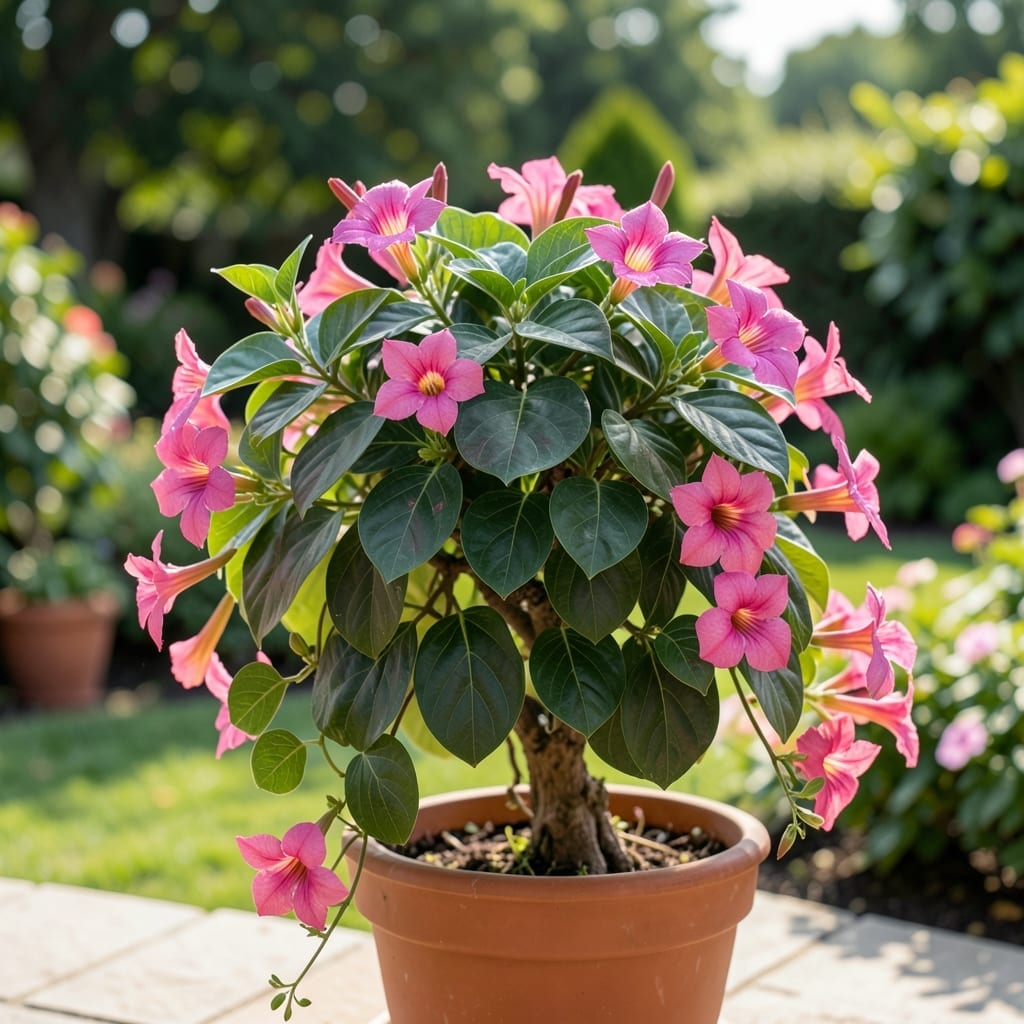
Mandevilla’s lush blooms can thrive in warm climates, but their cold tolerance is often misunderstood. Many gardeners panic when temperatures drop, unsure how to protect their 🌸 Mandevilla.
These tropical vines love heat and struggle when the mercury falls. If you live in zones 9-11, you might get away with leaving them outdoors year-round.
But for those in cooler areas, knowing the exact threshold for survival is the key. One wrong move could mean losing your prized plants to an unexpected frost.
Discover how chilly your Mandevilla can handle and the simple steps to keep it thriving, no matter where you garden.
I’ve seen too many gardeners lose their mandevilla vines to unexpected cold snaps. These tropical beauties thrive in warmth but falter when the mercury dips too low. Understanding their cold tolerance limits is key to keeping them alive year after year.
Mandevillas are not frost-tolerant and struggle below 45-50°F (7-10°C). At these temperatures, they show cold stress signs like yellowing leaves, wilting, or leaf drop. Prolonged exposure to 32°F (0°C) or below often proves fatal, especially for new growth.
| Requirement | Specification |
|---|---|
| USDA Hardiness Zones | 9-11 |
| Minimum Survival Temp | 45-50°F (7-10°C) |
| Frost Tolerance | None |
| Cold Stress Signs | Leaf drop, wilting, yellowing |
| Established Plant Tolerance | Slightly better than new growth |
In USDA zones 9-11, mandevillas can often survive winter outdoors with minimal protection. However, in zone 8 or colder, they typically die back to the ground or perish entirely without intervention. Even in warmer zones, a hard freeze can kill the plant outright.
I always recommend treating mandevilla as an annual plant in colder climates. This means enjoying its vibrant blooms during the growing season and replacing it each spring. For gardeners in borderline zones, overwintering indoors is the best strategy.
Newly planted mandevillas are particularly vulnerable to cold. Their root systems haven’t had time to establish, making them more susceptible to temperature drops. Even a light frost can set them back significantly or kill them.
Watch for early warning signs of cold stress. If you notice leaves turning yellow or dropping prematurely, it’s often the first indicator that temperatures are too low. At this point, immediate action like moving potted plants indoors can save your mandevilla.
For those in marginal climates, consider planting mandevilla in containers. This allows you to easily move the plant to a protected location when cold weather threatens. It’s a simple but effective way to extend its growing season.
The critical temperature range of 45-50°F isn’t just a guideline—it’s a survival threshold. Below this, the plant’s metabolic processes slow dramatically, and growth halts. Prolonged exposure can lead to permanent damage or death.
Remember that microclimates in your garden can affect cold tolerance. A south-facing wall or urban heat island might provide just enough warmth to help your mandevilla survive a light frost. Always observe your specific growing conditions.
In my experience, the best approach is prevention. Monitor weather forecasts closely in fall and spring. When temperatures are predicted to drop near that 45°F threshold, take protective measures immediately. Your mandevilla will thank you with lush growth and abundant blooms when warmth returns 🌸
As temperatures drop, mandevilla plants need extra care to survive. These tropical vines thrive in warmth, so even a light frost can cause serious damage. I’ve found that proactive steps make all the difference.
Start by monitoring forecasts for dips below 50°F. At this point, it’s time to act. Potted mandevillas are easier to protect—simply move them indoors to a sunny spot. For in-ground plants, a little prep goes a long way.
For in-ground mandevillas, I pile on organic mulch like straw or wood chips. This insulates the roots, which are the most vulnerable part. A frost blanket works wonders for overnight cold snaps.
If you’re in a borderline climate, consider planting mandevillas in containers. This way, you can easily move them to a garage or sunroom when temperatures drop. Just ensure they still get bright light.
After a cold spell, check for blackened leaves or mushy stems. These are signs of frost damage. I always wait until spring to prune back damaged growth, as new buds may still emerge.
With these steps, your mandevilla can survive the cold and bounce back stronger next season. A little effort now saves heartache later 🌿