
Beautiful Plants For Your Interior
Beautiful Plants For Your Interior
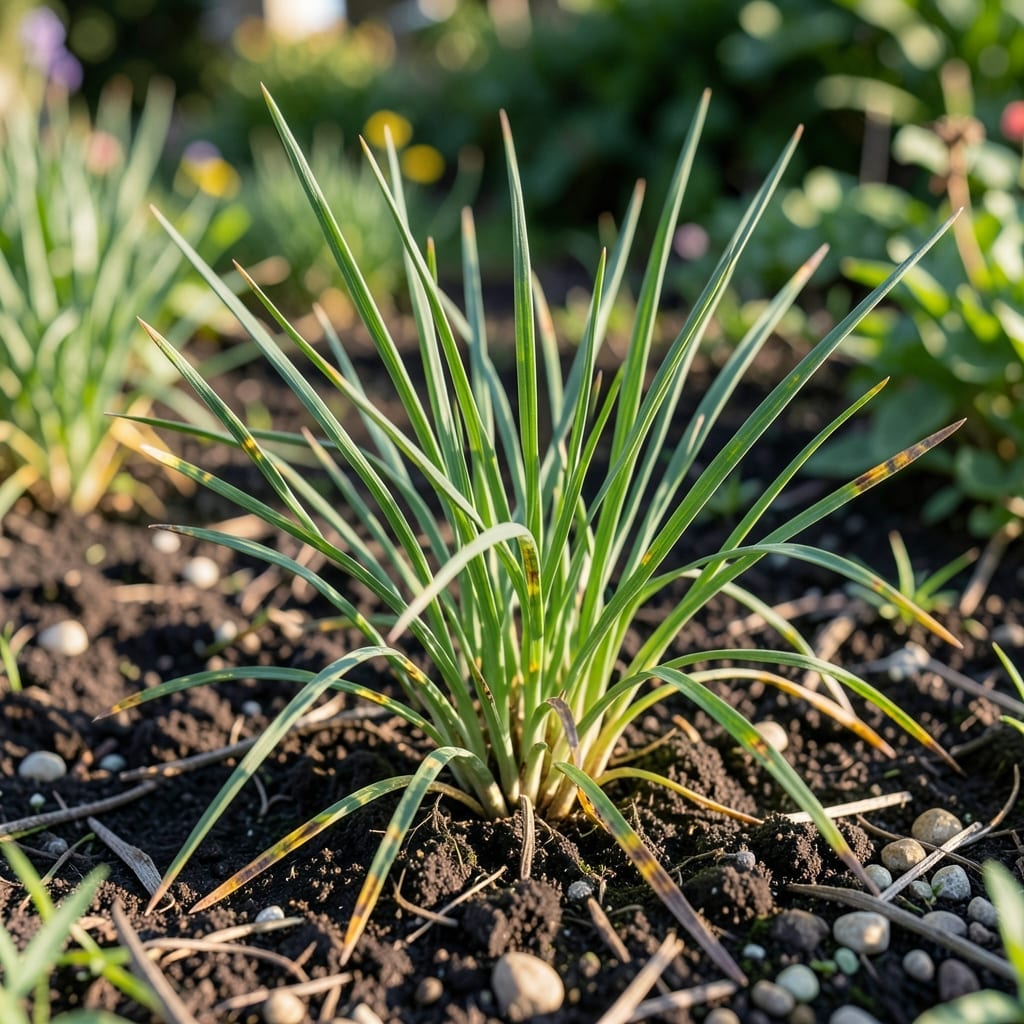
Those yellow patches in my lawn broke my heart. I love my dog, but his bathroom habits were turning my grass into a minefield of dead spots.
Turns out, dog urine contains nitrogen that burns grass when concentrated. The damage isn’t permanent, though—your lawn can bounce back with the right approach.
I’ve tested several solutions that actually work: immediate water dilution, strategic training, and planting urine-resistant grass varieties. The results speak for themselves.
With a few simple changes, you can have a lush green lawn and a happy pup too. Here’s how to fix what’s broken and prevent future damage.
Male dog urine can turn your lush green lawn into a patchy wasteland, but it’s not just about the liquid itself. The issue stems from a few key chemical and biological factors. Here’s the science behind why it happens:
Dog urine is rich in urea, a nitrogen compound that breaks down into ammonia. While nitrogen is a natural fertilizer, too much of it burns grass by disrupting the soil’s balance. Male dogs tend to mark territory with small, concentrated bursts, delivering a high dose of nitrogen in one spot—overwhelming the grass roots.
Canine urine has a low pH (5.0–6.5), making it acidic. Grass thrives in neutral to slightly acidic soil (6.0–7.0), so repeated exposure to urine can lower the pH, weakening the turf. The acidity also inhibits the grass’s ability to absorb essential nutrients, leading to yellow or dead patches.
Urine contains salts and minerals like sodium, potassium, and chloride. Over time, these accumulate in the soil, drawing moisture away from the roots (a process called osmotic stress). This leaves the grass dehydrated and vulnerable to burn, especially in dry climates.
Understanding these causes helps you tackle the problem at its root—whether by diluting the urine, adjusting your dog’s diet, or treating the soil.
If your male dog’s urine is turning your lawn into a patchy wasteland, don’t panic—there are simple, effective ways to revive your grass. Below are targeted solutions for the most common causes, plus prevention tips to keep your yard lush and green.
Dog urine is high in nitrogen, which burns grass in concentrated amounts. Act fast: Rinse the area with water immediately after your dog pees to dilute the nitrogen. Use a hose or a watering can for smaller spots. For existing brown patches, remove dead grass and reseed with nitrogen-tolerant varieties like tall fescue or ryegrass.
Urine can make soil too acidic. Balance it out by sprinkling baking soda or garden lime over the affected area, then water it in. For long-term health, test your soil’s pH and amend it as needed—aim for a neutral range (6.0–7.0).
A well-maintained lawn is more resistant to urine damage. Boost resilience by aerating compacted soil, overseeding thin areas, and applying a slow-release fertilizer. Water deeply but less frequently to encourage deep root growth.
With a little effort, your lawn can bounce back—and stay green despite your furry friend’s habits!
Grass is more sensitive to nitrogen and pH changes than many other plants. The concentrated nitrogen in urine overwhelm grass roots quickly, while hardier plants may tolerate it better.
Rinse within 10-15 minutes for best results. The sooner you dilute the urine, the less nitrogen can absorb into the soil and damage the grass.
No, vinegar is acidic and will make the problem worse. Use baking soda or garden lime instead to balance the pH and protect your lawn.
Tall fescue, ryegrass, and Bermuda grass are the most urine-resistant. These varieties handle nitrogen and pH fluctuations better than others.