
Beautiful Plants For Your Interior
Beautiful Plants For Your Interior
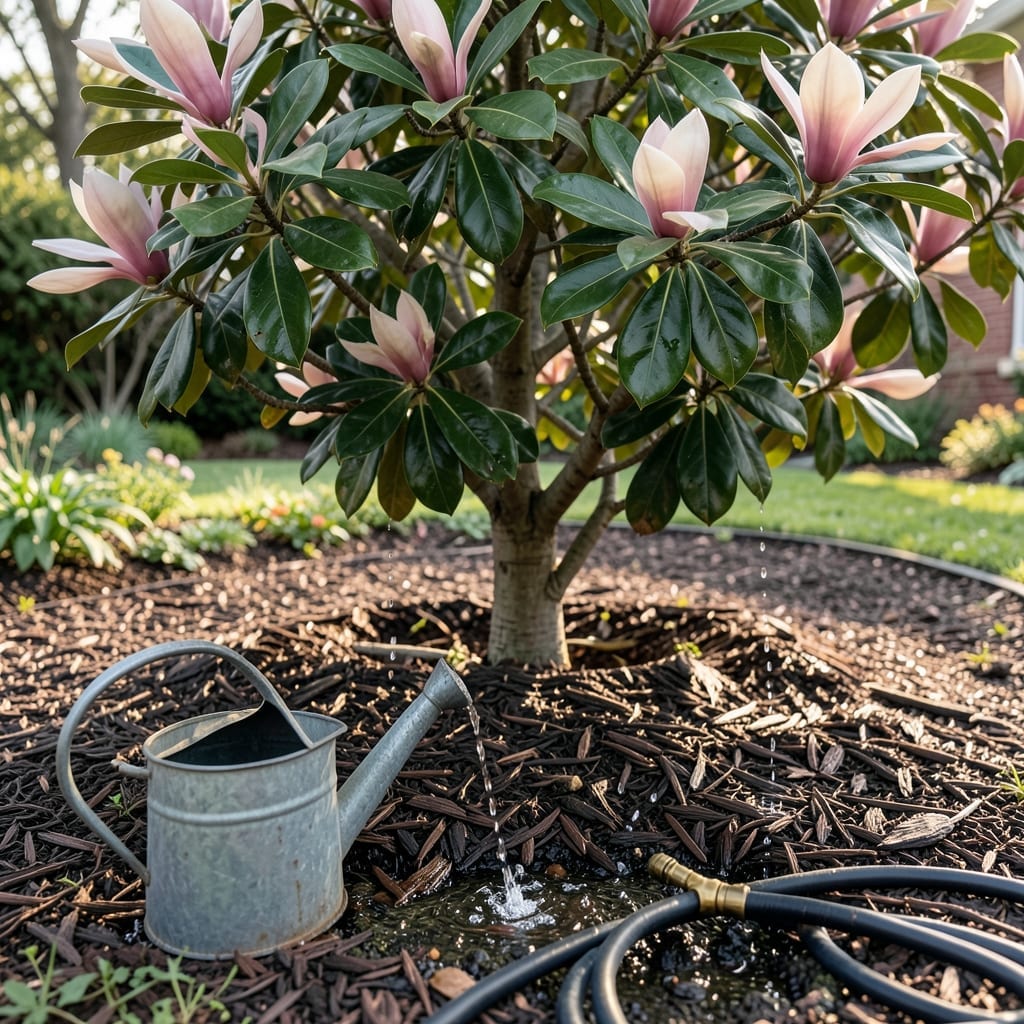
Proper watering is the key to a thriving 🌳 Magnolia Tree, but many gardeners unknowingly harm their plants with inconsistent schedules. What if I told you there’s a simple seasonal approach that works?
I’ve seen too many magnolias struggle because of guesswork. The truth is, your tree’s watering needs change dramatically from spring to winter. Getting this right means healthier growth and fewer headaches.
Whether you’re in zone 4-9 or just starting out, understanding these patterns will save you time and stress. Let’s break down exactly what your Magnolia Tree craves.
You’ll discover how to adjust for climate, soil, and season—so your tree not only survives but flourishes. Ready to make watering effortless?


Getting your magnolia tree watering right starts with understanding its seasonal needs. In spring, I recommend weekly deep soaks to support new growth and bloom development.
As temperatures rise in summer, your tree will need water twice weekly. This helps combat heat stress and maintains vibrant foliage.
| Season | Frequency | Water Amount | Key Notes |
|---|---|---|---|
| Spring | Weekly | Deep soak | Support new blooms |
| Summer | 2x weekly | 7500ml per session | Prevent heat stress |
| Fall | Bi-weekly | Moderate soak | Prepare for dormancy |
| Winter | Monthly | Light moisture | Prevent root rot |
During fall, I switch to bi-weekly watering to help the tree prepare for dormancy. This gradual reduction prevents stress as temperatures drop.
In winter, I water just once monthly, unless we have an unusually dry spell. The goal is to keep the soil slightly moist without causing root rot.
I always water in the early morning before 10 AM. This gives the tree time to absorb moisture before the heat of the day and reduces evaporation.
For newly planted magnolias, I recommend daily watering for the first week, then gradually reduce to the seasonal schedule. This helps establish a strong root system.
I check soil moisture by inserting my finger 2-3 inches deep. If it feels dry, it’s time to water. For larger trees, a moisture meter can be more accurate.
In drought conditions, I increase frequency but always ensure proper drainage. Magnolias hate soggy roots, so well-draining soil is crucial.
Remember, these are general guidelines. Always adjust based on your local climate, soil type, and tree maturity. When in doubt, it’s better to underwater than overwater.
🌳I’ve seen magnolia trees suffer from watering mistakes more often than pests. Overwatering drowns roots, while underwatering stunts growth. Both extremes stress your tree needlessly.
Another common issue is poor drainage. Magnolias hate soggy roots, so ensure your soil drains well. Clay-heavy soils often cause this problem.
⚠️ Warning: Watering Pitfalls
Avoid watering at night—it invites fungal diseases. Also, don’t let water pool around the trunk base, as this can rot the bark.
Timing matters too. Morning watering allows foliage to dry before evening, reducing disease risk. Evening watering should be avoided in humid climates.
Newly planted magnolias need consistent moisture for the first year. After that, they’re more drought-tolerant, but don’t push it.
Use mulch to retain moisture, but keep it 3-4 inches away from the trunk. This prevents rot and keeps roots cool.
Finally, adjust for rainfall. If your area gets 1 inch of rain weekly, skip watering. Always check soil moisture first.