
Beautiful Plants For Your Interior
Beautiful Plants For Your Interior
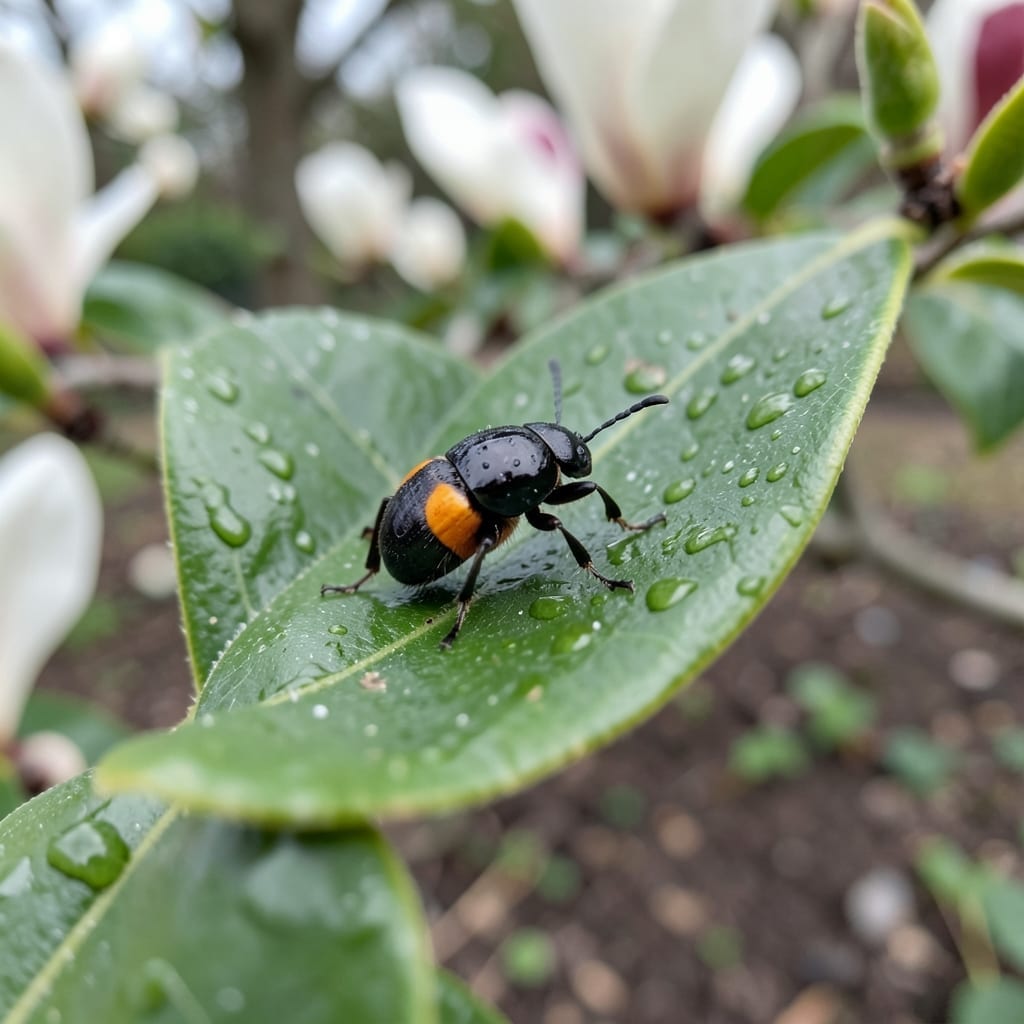
I first noticed the damage on my magnolia last spring—yellowing leaves and stunted growth. Turns out, tiny pests were wreaking havoc on my tree’s health.
Scale insects, aphids, and magnolia borers are common culprits that suck sap or burrow into bark. Without intervention, they weaken trees and invite disease. I’ve learned the hard way that early action is key.
Organic solutions like neem oil and beneficial insects can restore balance fast. These methods target pests without harming your tree or the environment.
With consistent care, your magnolia can bounce back stronger, ready to bloom beautifully next season. Here’s how to reclaim its health.
Magnolia trees, with their lush foliage and fragrant blooms, are prime targets for pests due to several biological and environmental factors. Below are the most common reasons insects are drawn to these trees.
Stressed or unhealthy magnolias emit chemical signals that attract pests. Drought, poor soil quality, or root damage compromise the tree’s natural defenses, making it easier for insects like magnolia scale or aphids to colonize. Regularly test soil pH and ensure proper hydration to keep trees resilient.
Magnolias thrive in humid, warm environments—conditions that also suit many pests. Dense canopies and thick bark provide shelter for borers, while moist leaf litter at the base harbors beetles and weevils. Prune overgrown branches and clear debris to reduce hiding spots.
The tree’s high-sugar sap is a magnet for sap-sucking insects like mealybugs and whiteflies. These pests pierce the bark to feed, weakening the tree further. Balanced fertilization (avoiding excess nitrogen) can deter outbreaks by maintaining optimal sap chemistry.
In monoculture landscapes (e.g., lawns with only magnolias), beneficial insects like ladybugs or parasitic wasps are scarce. Plant companion species (e.g., marigolds, yarrow) to attract predator insects and restore ecological balance.
Tackling pests on your magnolia tree starts with identifying the issue and applying targeted fixes. Here’s how to address common problems and keep your tree thriving:
If you spot sticky residue (honeydew) or black sooty mold, scale insects are likely the culprit. Gently scrub affected branches with a soft toothbrush dipped in soapy water to remove them. For severe cases, apply neem oil or insecticidal soap weekly until they’re gone. Prevention tip: 💡 Introduce beneficial insects like ladybugs, which naturally prey on scales.
Aphids cluster on new growth, causing curled leaves. Dislodge them with a strong stream of water from your hose. Follow up with a spray of diluted neem oil or a homemade mix of water and dish soap. Prevention tip: 🌿 Plant companion flowers like marigolds nearby to deter aphids.
Tiny webs or speckled leaves signal spider mites. These pests thrive in dry conditions, so mist your tree regularly to increase humidity. Treat infestations with horticultural oil or miticides, ensuring full coverage of leaves. Prevention tip: ✨ Keep your magnolia well-watered, especially during hot spells.
Boring insects leave small holes in the trunk or branches. Prune and destroy infested wood immediately to prevent spread. Apply a kaolin clay spray as a barrier to deter adult borers from laying eggs. Prevention tip: 🎯 Maintain tree health with balanced fertilization to reduce vulnerability.
Scale insects, aphids, and magnolia borers are the top offenders. Scale leave sticky honeydew, aphids cluster on new growth, while borers create holes in the trunk.
Check weekly during growing season for early signs. Look for curled leaves, sticky residue, or tiny holes in bark. Catching pests early prevents major damage.
They work but can harm beneficial insects. Organic options like neem oil or insecticidal soap are gentler. Always follow label instructions carefully.
Yes! Plant companion species like marigolds, maintain proper watering, and keep the area free of leaf litter. Healthy trees resist pests better.