
Beautiful Plants For Your Interior
Beautiful Plants For Your Interior
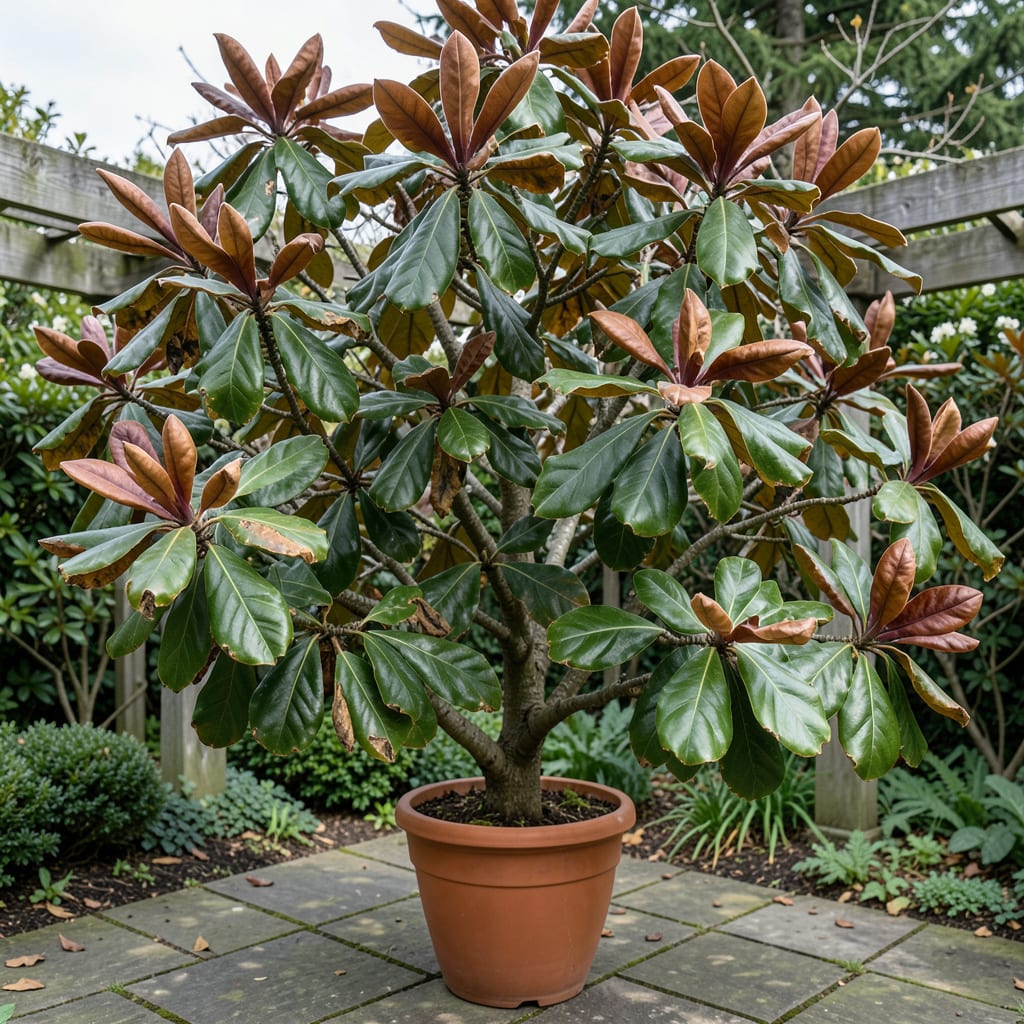
Brown leaves on your magnolia aren’t just unsightly—they’re a distress signal. I’ve seen entire trees turn crispy overnight from issues that started small and went unnoticed.
Environmental stress hits magnolias hard, whether it’s drought, poor drainage, or sudden temperature swings. The good news? Most causes are fixable with the right adjustments to water, soil, or location.
You’ll learn to spot the difference between stress, disease, and pest damage before it spreads. Early action saves the tree and prevents future flare-ups.
Works for established trees and new plantings alike. Here’s how to diagnose and revive your magnolia.
Brown leaves on your magnolia tree often signal stress, and the causes can range from environmental factors to poor care. Here’s a breakdown of the most common culprits:
Magnolias thrive in moderate climates. Heat stress (temperatures above 90°F/32°C) can scorch leaves, turning them brown and crispy. Conversely, cold snaps below 10°F (-12°C) may damage foliage, especially in late winter when buds are swelling. Sudden temperature swings disrupt cellular function, leading to necrotic (dead) tissue.
Both overwatering and underwatering stress the tree. Soggy soil suffocates roots, reducing oxygen uptake and causing leaf browning. Meanwhile, drought conditions prevent nutrient transport, leading to dry, brittle leaves. Magnolias prefer consistently moist but well-drained soil— aim for 1–2 inches of water per week.
A lack of magnesium or iron often manifests as brown or yellowing leaves with green veins (interveinal chlorosis). Magnolias are acid-loving plants; alkaline soils (pH > 7) can lock out these essential nutrients. Test your soil and amend with sulfur or chelated iron if needed.
Leaf spot (e.g., Septoria or Anthracnose) and powdery mildew can cause brown patches or speckles. These fungi thrive in humid, poorly ventilated conditions. Remove infected leaves and improve air circulation to prevent spread.
Scale insects and spider mites sap the tree’s fluids, leading to stunted growth and brown, wilted leaves. Check the undersides of leaves for sticky residue (honeydew) or webbing. Treat with horticultural oil or insecticidal soap for severe cases.
Tackle your magnolia tree’s brown leaves with these targeted fixes. Addressing the root cause ensures a healthier, more vibrant tree. Here’s how to solve common issues:
If soggy soil is the culprit, reduce watering immediately. Let the top 2-3 inches of soil dry out before watering again. Improve drainage by amending the soil with organic matter like compost or pine bark. For severe cases, consider installing a French drain to redirect excess water.
Prevention tip: 💡 Mulch around the base (but not touching the trunk) to retain moisture without waterlogging.
For underwatered trees, deep-water weekly during dry spells—give it 1-2 inches of water per week, delivered slowly at the drip line. Young trees need extra attention; their root systems aren’t as established. A soaker hose or drip irrigation works best to deliver water directly to the roots.
Prevention tip: 🌡️ Apply a 3-4 inch layer of mulch to conserve soil moisture and regulate temperature.
Inspect leaves for pests like scale or aphids. Blast them off with a strong stream of water, or apply insecticidal soap or neem oil for stubborn outbreaks. Prune heavily infested branches to prevent spread.
Prevention tip: ✨ Encourage natural predators (like ladybugs) by planting companion flowers nearby.
If fungal issues (e.g., leaf spot) are to blame, remove and destroy infected leaves to stop the spread. Apply a copper-based fungicide in early spring or fall as a preventive measure. Space trees properly to improve airflow, which reduces humidity around foliage.
Prevention tip: 🎯 Avoid overhead watering to keep leaves dry.
Protect your magnolia from extreme weather. Shield it from harsh winds with a burlap screen or plant in a sheltered location. If winter burn is an issue, wrap young trees in burlap and apply anti-desiccant sprays in late fall.
Prevention tip: 🌿 Choose a planting site with dappled sunlight to reduce stress from intense heat or cold.
Once leaves turn brown, they won’t recover. Focus on preventing further damage by addressing the root cause, like improving watering habits or treating pests.
Check the soil: if it’s bone-dry 2-3 inches down, it’s likely underwatered. Soggy soil or a foul smell indicates overwatering. Adjust accordingly.
Yes, but only if done correctly. Remove severely damaged leaves or branches to redirect energy. Avoid heavy pruning during active growth periods.
If most leaves are brown but the branches are still flexible, the tree may recover with proper care. Focus on water, soil, and pest management to support new growth.
