
Beautiful Plants For Your Interior
Beautiful Plants For Your Interior
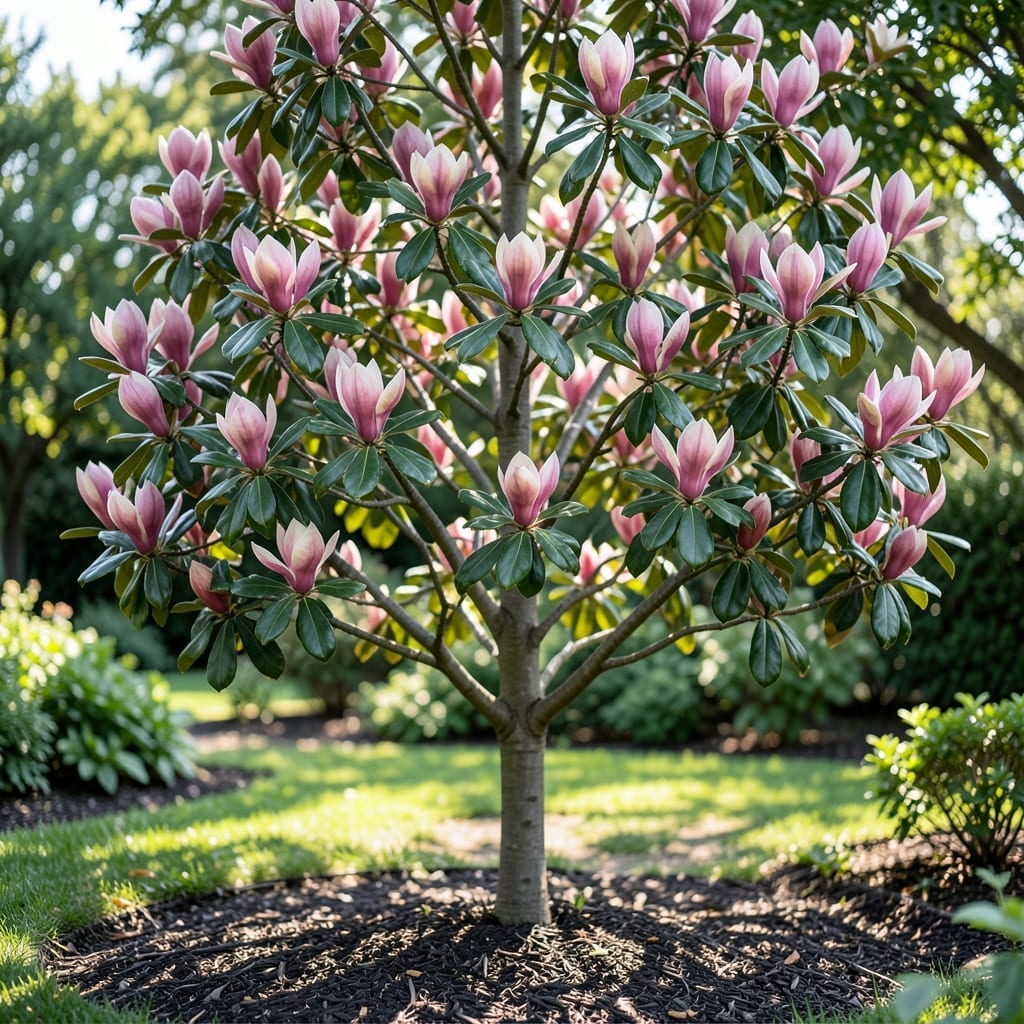
There’s nothing quite like watching a 🌳 Magnolia Tree transform your landscape with its majestic presence. But how quickly can you expect it to grow?
From the slow-and-steady Southern Magnolia to the faster-growing Saucer variety, each type has its own pace. Understanding these differences helps you plan and care for your tree properly.
Discover what to expect each year and how to give your Magnolia Tree the best start for healthy, vibrant growth.


When planting a magnolia tree, the growth rate depends heavily on the species you choose. Some varieties can add 2-3 feet per year, while others grow more slowly at 1-2 feet annually.
Understanding these differences helps you select the right tree for your landscape goals and space constraints.
| Variety | Annual Growth | Mature Height |
| Southern Magnolia | 1-2 ft/year | 60-80 ft |
| Saucer Magnolia | 2-3 ft/year | 20-25 ft |
| Star Magnolia | 1-2 ft/year | 15-20 ft |
| Little Gem Magnolia | 1 ft/year | 12-20 ft |
The Southern Magnolia is a classic but grows slowly, making it perfect for large landscapes with patience. It can take decades to reach full height.
For faster results, the Saucer Magnolia is an excellent choice. With its 2-3 feet annual growth, you’ll see noticeable changes each season, reaching 20-25 feet at maturity.
The Star Magnolia offers a moderate growth rate of 1-2 feet per year. Its compact size makes it ideal for smaller gardens or as a specimen plant.
If you’re looking for a dwarf variety, the Little Gem Magnolia grows just 1 foot per year. It’s perfect for containers or small spaces but still delivers stunning blooms.
Remember, these rates are estimates. Your tree’s growth can vary based on soil conditions, climate, and care practices. In ideal conditions, some trees may grow even faster.
For the best growth, ensure your magnolia has well-draining soil and full sun to partial shade. Regular watering and fertilizing can also boost its development.
Monitor your tree’s progress each year. If it’s growing slower than expected, check for pests, diseases, or nutrient deficiencies that might be holding it back 🌳
Your magnolia tree’s growth rate isn’t just about the species—it’s also shaped by environmental conditions and care practices. Even the fastest-growing varieties can lag without proper attention.
From soil quality to sunlight exposure, several key factors determine how quickly your magnolia will thrive. Let’s break down what really makes a difference in your tree’s development.
The soil pH plays a big role—magnolias prefer slightly acidic conditions (pH 5.5-6.5). Test your soil and amend with sulfur or peat moss if needed.
Sunlight exposure directly impacts growth speed. While magnolias tolerate partial shade, those in full sun typically grow 20-30% faster than shaded counterparts.
Watering practices matter most in the first 2-3 years. I recommend deep soaking once weekly rather than frequent shallow watering. This encourages deep root establishment.
Your local climate affects growth too. In warmer zones (7-9), magnolias may grow faster with longer growing seasons. Cooler zones (4-6) might see slower initial growth.
Finally, planting location can make or break your tree’s potential. Choose a spot with good air circulation and protection from strong winds to prevent stress and damage 🌳