
Beautiful Plants For Your Interior
Beautiful Plants For Your Interior
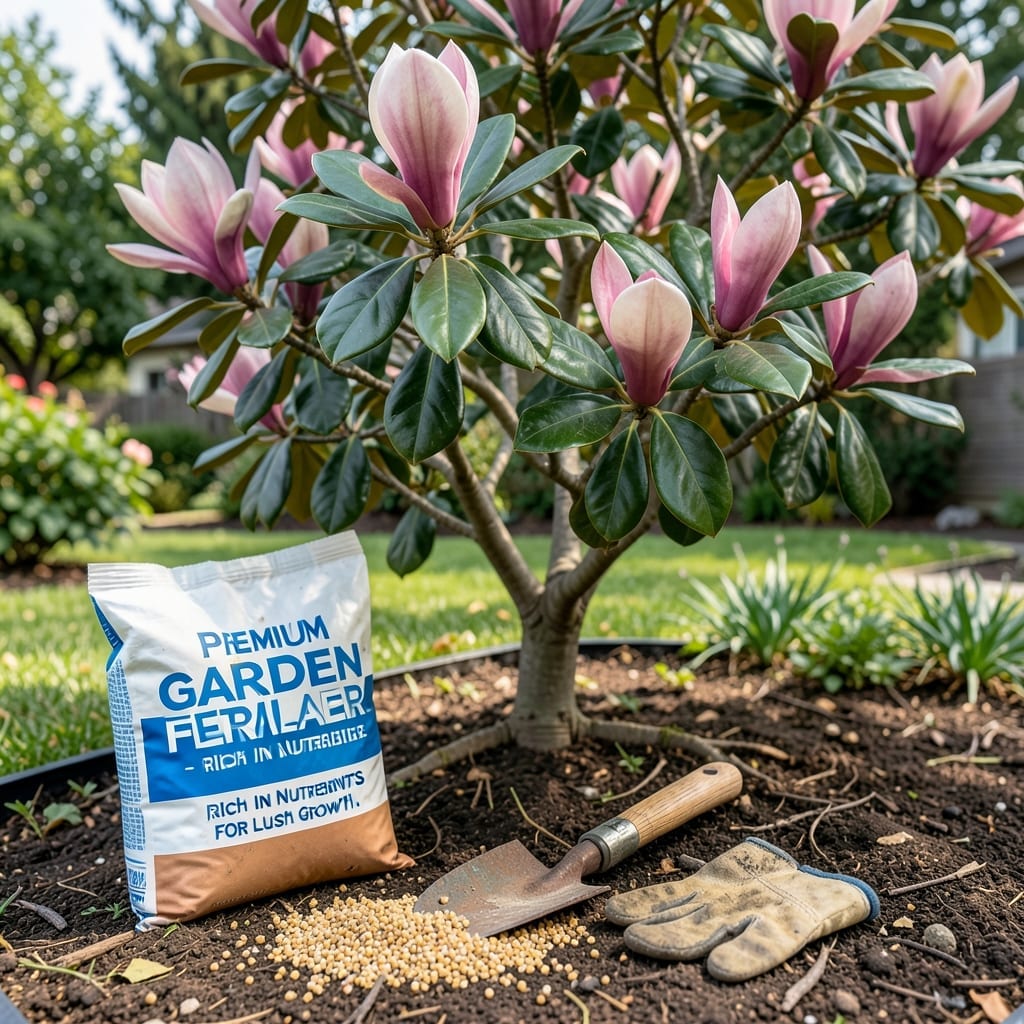
There’s nothing quite like watching a 🌳 Magnolia Tree burst into bloom each spring. Yet, without proper nutrition, those stunning flowers may never reach their full potential.
I’ve learned that the right fertiliser can make all the difference in your tree’s health and flowering. Organic blends offer a gentler approach that nurtures both plant and soil.
Whether you’re growing in zone 6a or just want more abundant blooms, understanding fertilisation is key. The timing and type you choose directly impact your Magnolia Tree’s performance.
Discover how to select and apply the best organic options for your tree. Your garden will thank you with lush, fragrant blossoms season after season.
Timing is everything when it comes to fertilising your magnolia tree. I’ve found that early spring, just as new growth begins, is the ideal moment to start feeding.
This gives your tree the nutrient boost it needs for strong stems and abundant blooms. A second application in late spring can help sustain growth through the season. 🌳
For application methods, granular fertilisers work well for established trees. I prefer to sprinkle them evenly around the drip line, where feeder roots are most active.
Liquid fertilisers are great for a quick nutrient boost, especially for younger magnolias. They’re absorbed faster but may require more frequent applications.
Always water thoroughly after applying any fertiliser. This helps dissolve nutrients and prevents root burn. Magnolias have shallow root systems, so gentle watering is key.
If your soil is poor or sandy, consider adding organic matter like compost before fertilising. This improves soil structure and helps retain moisture and nutrients.
Remember that less is more with magnolias. Over-fertilising can lead to excessive leafy growth at the expense of flowers. Stick to the recommended amounts.
For mature magnolias, a slow-release organic fertiliser applied once in spring is often enough. Younger trees may benefit from a second light feeding in early summer.
Finally, always mulch around your magnolia after fertilising. This helps retain moisture and keeps soil temperatures stable, giving your tree the best chance to thrive. 🌿
Choosing the right organic fertiliser for your magnolia tree can transform its growth. I’ve seen firsthand how the proper blend boosts both foliage and flower production while keeping the soil rich and healthy.
Organic options like compost, bone meal, and fish emulsion provide essential nutrients without harsh chemicals. Each type has unique benefits, so it’s important to match them to your tree’s specific needs.
| Fertiliser Type | Nutrient Profile | Best For |
|---|---|---|
| Compost | Balanced, slow-release | Soil health, overall growth |
| Bone Meal | High phosphorus (3-15-0) | Root development, flowering |
| Fish Emulsion | Balanced (5-1-1) | Quick nutrient boost |
| Kelp Meal | Trace minerals, potassium | Stress resistance, bloom quality |
Compost is my go-to for improving soil structure. It’s a slow-release option that feeds your magnolia gradually, ensuring steady growth without the risk of burning roots.
Bone meal is perfect when you want to encourage more blooms. Its high phosphorus content supports flower production, making it ideal for magnolias that seem reluctant to bloom.
Fish emulsion works well for a quick nutrient boost, especially if your tree looks a bit lackluster. I use it as a foliar spray for fast absorption during the growing season.
For stress resistance and better bloom quality, kelp meal is a fantastic addition. It’s packed with trace minerals that help your magnolia thrive in less-than-ideal conditions 🌳