
Beautiful Plants For Your Interior
Beautiful Plants For Your Interior
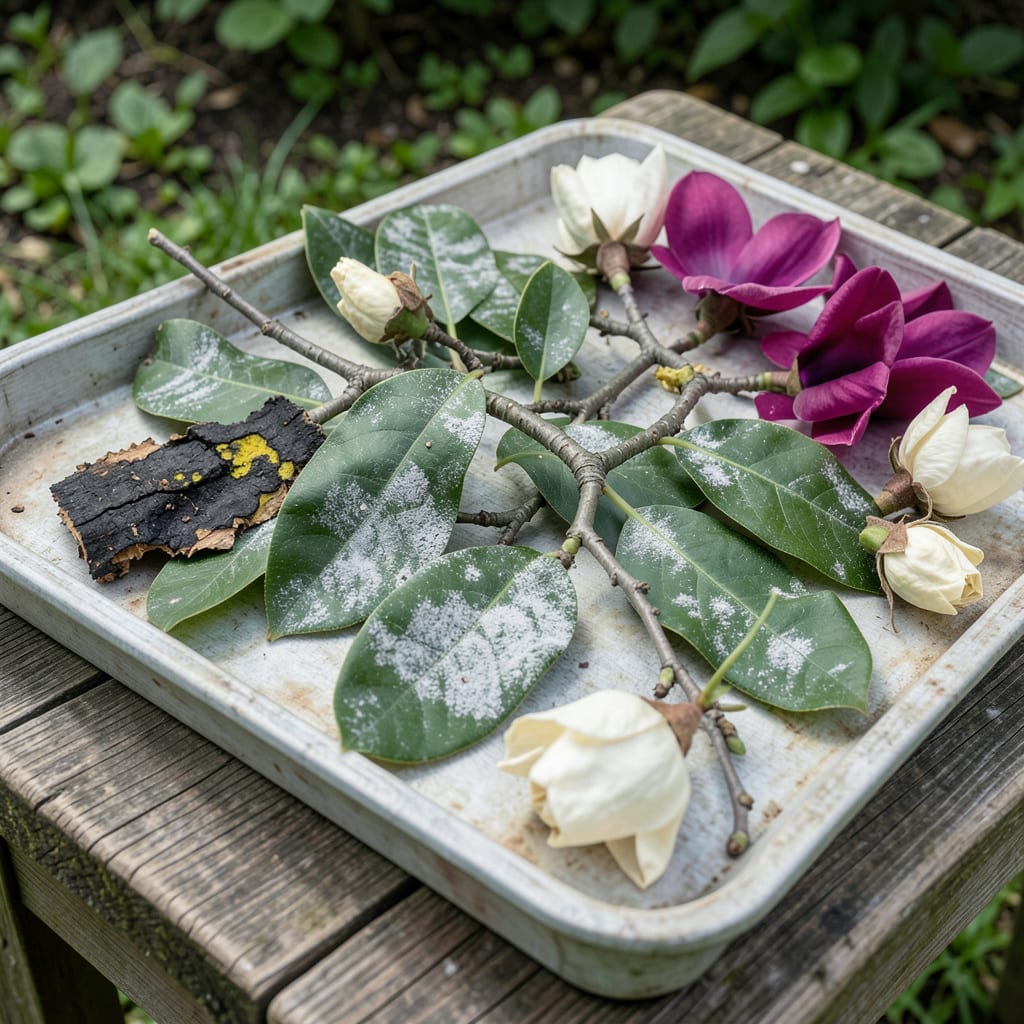
Those brown spots on your magnolia leaves aren’t just unsightly—they’re a warning sign. I’ve seen leaf spot diseases turn a lush tree into a skeleton in one season if left unchecked.
Early diagnosis is everything. The patterns tell the story: dark rings indicate fungal issues, yellow halos often mean bacterial. Catching these early means the difference between a quick fix and a long recovery.
Treatment starts with removing infected leaves and improving air circulation. A simple copper fungicide application can stop the spread within 2-3 weeks. Prevention is even easier with proper watering habits.
Your magnolia can bounce back stronger. The key is knowing what to look for and acting fast before the damage spreads to the entire canopy.
Magnolia trees are prized for their beauty, but they’re not immune to diseases. Understanding the root causes helps you prevent and treat issues effectively. Below are the most common reasons behind magnolia tree diseases, explained with scientific clarity.
Fungi like Cercospora and Phyllosticta thrive in warm, humid conditions, leading to leaf spots and blotches. These pathogens spread via water splashes, infected debris, or contaminated tools. Overhead watering or poor air circulation exacerbates the problem, creating a perfect breeding ground for spores.
Bacteria such as Pseudomonas syringae cause leaf blight and canker diseases. They enter through wounds or natural openings, often during wet spring weather. Over-fertilization or stressed trees (due to drought or root damage) are more susceptible to bacterial invasion.
Insects like scale, aphids, or magnolia borers weaken the tree, making it vulnerable to secondary infections. Their feeding creates entry points for fungi and bacteria. A stressed tree with pest damage is far more likely to develop visible disease symptoms, including discolored or wilting leaves.
Poor soil drainage, extreme temperatures, or nutrient deficiencies stress the tree, lowering its natural defenses. For example, waterlogged roots can lead to root rot, while drought stress reduces the tree’s ability to fend off pathogens. Even excessive shade or improper planting depth can contribute to disease susceptibility.
Dealing with magnolia tree diseases can feel overwhelming, but the right approach makes all the difference. Below are targeted solutions for common problems, along with prevention tips to keep your tree thriving. 🌳✨
For bacterial or fungal leaf spots, start by removing and destroying infected leaves to stop the spread. Apply a copper-based fungicide or neem oil every 7–10 days during wet seasons. Prevention tip: Improve air circulation by pruning crowded branches and avoid overhead watering. 💡
If you spot sticky residue (honeydew) or black sooty mold, scale insects may be the culprit. Wipe them off with a soapy water solution (1 tbsp mild soap per gallon of water) or use horticultural oil. For severe cases, apply systemic insecticides like imidacloprid. Prevention tip: Encourage natural predators like ladybugs by planting companion flowers nearby. 🎯
Yellowing leaves and wilting often signal root rot from overwatering or poor drainage. Trim affected roots and repot or replant the tree in well-draining soil. Reduce watering and ensure the planting area has good drainage. Prevention tip: Use a moisture meter to monitor soil conditions and avoid soggy soil. 🌧️
Cold snaps can cause brown, crispy leaves or cracked bark. Prune damaged branches in early spring and apply a thick layer of mulch around the base to insulate roots. Wrap young trees in burlap for extra protection. Prevention tip: Plant magnolias in sheltered spots and water deeply before the first frost. ❄️
Regular inspections and quick action are key to keeping your magnolia healthy and vibrant!
Look for dark, circular spots with yellow halos on leaves. These often indicate fungal infections like leaf spot. Check for powdery mildew or black sooty mold as well.
Remove infected leaves immediately and apply copper fungicide every 7-10 days. Improve airflow by pruning and avoid overhead watering to prevent recurrence.
Yes, fungal spores can travel via wind or water splash. Keep infected plants isolated and clean tools between uses. Always dispose of diseased foliage in sealed bags.
Act at the first sign of symptoms, especially in spring or early summer. Preventative treatments work best before wet seasons when fungi thrive.
