
Beautiful Plants For Your Interior
Beautiful Plants For Your Interior
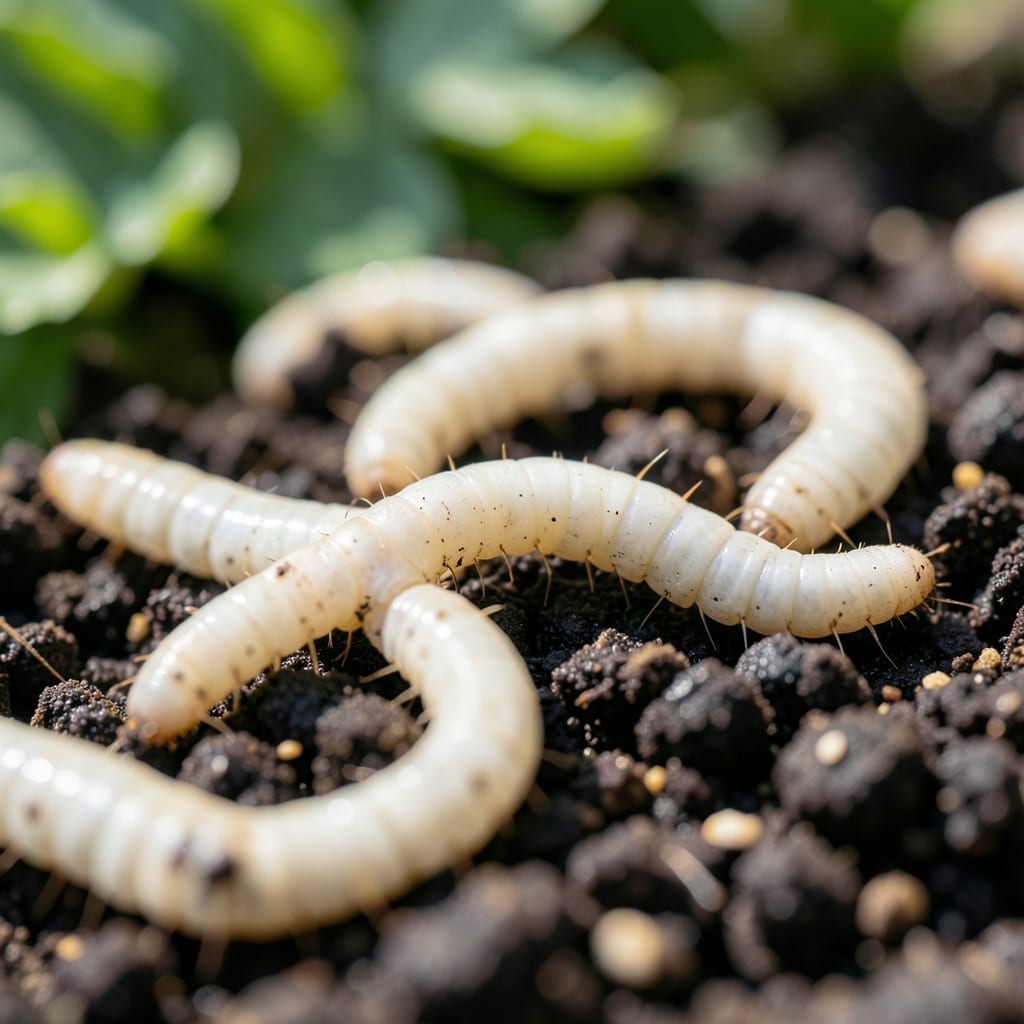
I lifted the lid on my compost bin last week and saw them wriggling. Maggots in compost aren’t pretty, but they’re not the disaster most gardeners fear.
These little visitors are actually nature’s cleanup crew, breaking down scraps faster than microbes alone. The problem starts when their numbers explode, which usually means your bin has too much moisture or the wrong balance of greens and browns.
You can fix this in 24-48 hours by adding dry carbon material like shredded paper or leaves. The maggots will disappear as conditions balance out, and your compost will get back to doing its job.
They won’t hurt your plants, but too many means your system needs a quick tweak. Here’s how to keep things humming.
Maggots in compost are a natural sign of decomposition, but their presence often indicates specific conditions. Here’s a breakdown of the most common causes:
Fruit, vegetable peels, and other organic kitchen waste are prime breeding grounds for flies. When these scraps are added in large quantities, they attract Drosophila melanogaster (fruit flies) and houseflies, which lay eggs that hatch into maggots within 24–48 hours. Action: Balance greens (nitrogen-rich) with browns (carbon-rich) like leaves or cardboard to slow decomposition and deter flies.
Compost piles with excessive moisture create an anaerobic environment, which slows decomposition and emits odors that attract flies. Maggots thrive in damp, rotting material. Action: Turn the pile regularly to improve aeration and add dry browns (straw, shredded newspaper) to absorb excess moisture.
Without proper oxygen flow, organic matter decomposes unevenly, producing smells that lure egg-laying flies. Stagnant piles also retain heat and moisture—ideal for maggot development. Action: Use a pitchfork to aerate the compost weekly, ensuring even breakdown and reducing fly appeal.
Leaving food waste uncovered on the pile’s surface gives flies direct access to lay eggs. Even buried scraps can attract pests if not properly mixed. Action: Bury fresh scraps 10–12 inches deep under existing compost or cover the pile with a tarp to block access.
Maggot activity spikes in temperatures between 70–90°F (21–32°C), as flies reproduce faster. Heat accelerates egg hatching, leading to visible infestations within days. Action: Monitor compost in summer; increase browns and turn the pile more frequently to disrupt the life cycle.
Dealing with maggots in your compost doesn’t have to be a chore. Here’s how to tackle the most common causes and restore balance to your pile.
Maggots thrive in damp environments. If your compost feels soggy, add brown materials like dry leaves, shredded newspaper, or cardboard to soak up excess moisture. Turn the pile to improve airflow and speed up drying. Prevention tip: 💡 Cover your compost bin with a lid or tarp to keep rain out, and always balance greens (nitrogen-rich) with browns (carbon-rich).
Exposed food scraps attract flies, which lay eggs that hatch into maggots. Bury fresh scraps at least 10 inches deep in the center of the pile, where heat and decomposition happen faster. Avoid adding meat, dairy, or oily foods, as these are fly magnets. Prevention tip: ✨ Chop scraps into smaller pieces to accelerate breakdown and reduce odors.
A sluggish pile gives maggots time to multiply. Speed things up by turning the compost every few days to introduce oxygen. Add high-nitrogen materials like grass clippings or coffee grounds to heat up the pile. Aim for a temperature of 130–150°F (54–65°C) to kill maggot eggs. Prevention tip: 🌡️ Use a compost thermometer to monitor heat levels and adjust as needed.
If your compost lacks the right carbon-to-nitrogen ratio (aim for 30:1), maggots may move in. Mix in more browns (e.g., straw, wood chips) if the pile smells or looks too wet. If it’s dry and not breaking down, add greens like vegetable peels or fresh yard waste. Prevention tip: 🎯 Layer materials in thin, alternating sheets of greens and browns for consistent decomposition.
No, they won’t damage your plants or the compost itself. They’re actually breaking down scraps faster than microbes alone. Just balance your pile to prevent overpopulation.
Add dry browns like leaves or shredded paper and turn the pile. This dries the environment and disrupts their life cycle in 24-48 hours.
Yes, once conditions improve. They’ll disappear as the compost dries and heats up. Keep the pile balanced to prevent their return.
Maggots are a sign of active decomposition. Just ensure the pile reaches 130-150°F to kill any eggs before use.