
Beautiful Plants For Your Interior
Beautiful Plants For Your Interior
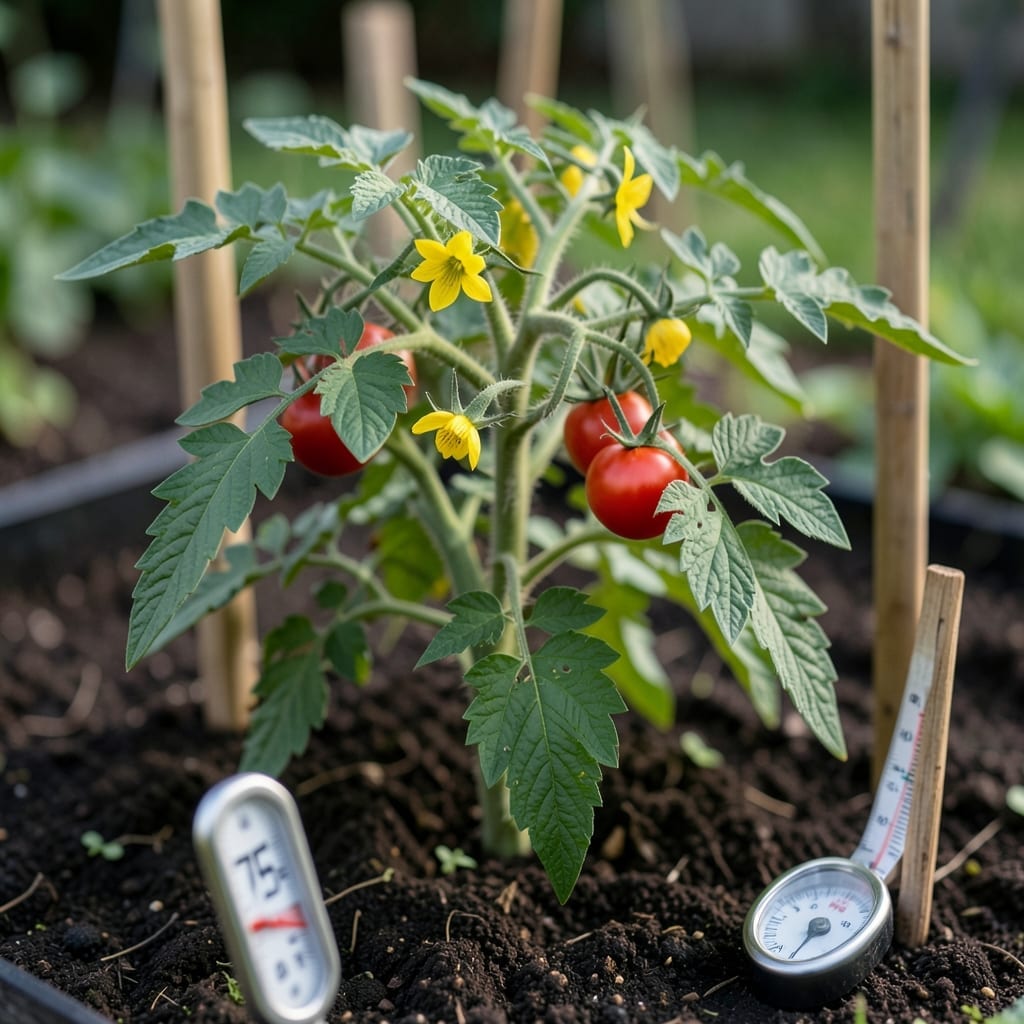
I still remember the first time I lost an entire crop of Tomato plants to an unexpected cold snap. One night of 32°F temperatures, and my garden went from thriving to devastated.
It was a hard lesson about how sensitive these warm-season favorites really are. Even a light frost can spell disaster for your Tomato plants if you’re not prepared.
But here’s the good news: you don’t have to learn this the hard way. Understanding the exact temperature thresholds your tomatoes can handle makes all the difference.
Discover the survival limits for your plants and learn how to shield them when the weather turns. Your summer harvest depends on it.
As a gardener, I know tomato plants are sensitive to cold, but their temperature tolerance varies by growth stage. Understanding these thresholds helps me prevent cold damage and plan my planting schedule effectively.
For seedlings, temperatures below 50°F (10°C) can stunt growth, while mature plants may survive brief dips to 32°F (0°C). Fruiting plants are most vulnerable, with frost often causing irreversible damage.
| Growth Stage | Minimum Temp (°F) | Minimum Temp (°C) |
|---|---|---|
| Seedlings | 50°F | 10°C |
| Mature Plants | 32°F | 0°C |
| Fruiting Plants | 35°F | 2°C |
| Prolonged Exposure | 40°F | 4°C |
I’ve learned that heirloom varieties often have less cold tolerance than hybrid tomatoes. For example, Brandywine may struggle below 50°F, while Early Girl can handle slightly cooler conditions.
When temperatures drop, I watch for frost damage symptoms like blackened leaves or wilted stems. These signs confirm my plants have hit their cold limit and need immediate protection.
In my experience, soil temperature matters just as much as air temperature. I always check that my soil thermometer reads above 60°F (15°C) before transplanting seedlings outdoors.
The first frost date in my area is October 15th, so I start monitoring weather forecasts closely in early fall. A sudden cold snap can catch even experienced gardeners off guard.
For container-grown tomatoes, I move pots indoors when nighttime temperatures approach 40°F (4°C). This simple step can extend my harvest season by several weeks.
I’ve found that mulching heavily with straw or leaves can protect roots from cold soil. This technique works best for mature plants already established in the garden.
Remember, tomato plants are tropical natives and thrive in warmth. Pushing their cold tolerance limits often results in stunted growth or reduced yields, so I always err on the side of caution. 🌱
When cold snaps threaten, I never leave my tomato plants unprotected. Even a light frost can damage leaves and stunt growth, so acting fast is key to saving your harvest.
I’ve found that row covers and cloches work wonders for shielding plants from sudden temperature drops. These create a microclimate that traps heat and blocks frost.
For emergency frost protection, I rely on plastic cloches or milk jugs with the bottom cut off. These create a mini greenhouse effect that can save plants from light frosts.
If temperatures drop below 32°F, even mature tomato plants will suffer. I always check the weather forecast and prepare protections in advance to avoid last-minute scrambles.
After a cold night, I inspect my plants for blackened leaves or wilting, which are signs of frost damage. Pruning affected areas can help the plant recover faster.
With these strategies, I’ve successfully extended my growing season by weeks, even in cooler climates. A little preparation goes a long way in keeping tomatoes thriving. 🌱