
Beautiful Plants For Your Interior
Beautiful Plants For Your Interior
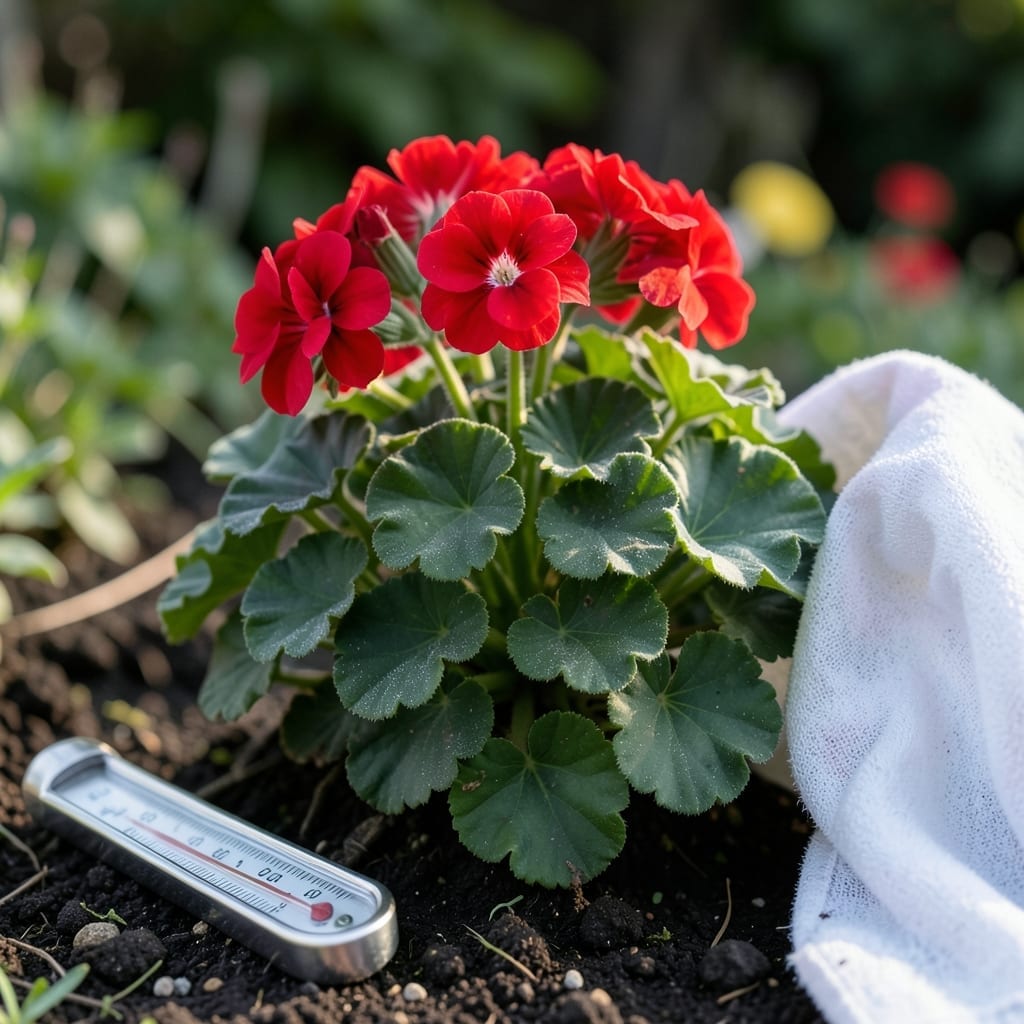
Geraniums bring vibrant color to gardens, but their tropical roots make them cold-sensitive. If you’ve ever watched your 🌸 Geranium wilt after a chilly night, you know how quickly temperature drops can spell trouble.
Understanding their cold tolerance is the key to protecting these beauties. Even in zone 9b, unexpected frosts can damage or kill them without proper care.
Discover how to shield your Geraniums from cold snaps and keep them thriving. I’ll share practical tips to help you enjoy their blooms all season long.
Geraniums, especially Pelargoniums, are famously cold-sensitive. Most can’t survive temperatures below 32°F without damage. A light frost may singe their leaves, while a hard freeze often kills them outright.
True hardy geraniums (Cranesbills) are tougher, tolerating down to 20°F or lower. But the popular bedding types we adore for summer color? They’re tropical at heart and need protection when temperatures drop.
I’ve learned that 32°F is the critical threshold for most common geraniums. At this point, you’ll see leaf blackening and wilting. Prolonged exposure to 28°F or below usually means game over for these tender plants.
Watch for early warning signs of cold stress. Leaves turning reddish-purple or edges curling often mean the plant is struggling with chilly nights, even before frost hits.
In my garden, I start monitoring temperatures closely in fall. When forecasts predict near-freezing nights, I know it’s time to take action. Even temperatures in the mid-30s°F can cause damage if sustained.
The soil temperature matters too. Geraniums dislike cold roots, so mulching heavily helps insulate the soil. I aim to keep the root zone above 45°F for best results.
Remember that humidity levels affect cold tolerance. Dry cold is less damaging than wet, freezing conditions. A surprise frost after rain is particularly deadly for geraniums.
For potted geraniums, I recommend moving them indoors before nighttime temps dip below 45°F. This gives them time to acclimate to indoor conditions without shock.
In zone 9b, we’re lucky to have 300 frost-free days, but those few cold nights can still catch us off guard. Always have a protection plan ready when growing geraniums.
🌸
When temperatures dip, geraniums need immediate protection to survive. I always start by monitoring weather forecasts closely in fall. Even a light frost can damage tender leaves and stems.
One of my go-to methods is mulching heavily around the base. A 3-4 inch layer of straw or leaves acts like a cozy blanket, keeping soil temperatures stable.
For potted geraniums, I bring them indoors before nighttime lows reach 45°F. This gives them time to adjust to indoor conditions. A sunny windowsill works perfectly for overwintering.
When covering plants, avoid plastic as it can trap moisture and cause rot. Instead, use breathable fabric like frost cloth or old bedsheets. Secure the covering to the ground to trap heat from the soil.
I’ve found that watering in the morning helps prevent cold damage. Wet soil at night can freeze and damage roots. Always water at the base, not the leaves, to reduce fungal risks.
After a cold snap, resist the urge to prune immediately. Wait until temperatures rise and you can assess the full damage. Then, trim back any blackened or mushy stems to healthy tissue.
🌸