
Beautiful Plants For Your Interior
Beautiful Plants For Your Interior
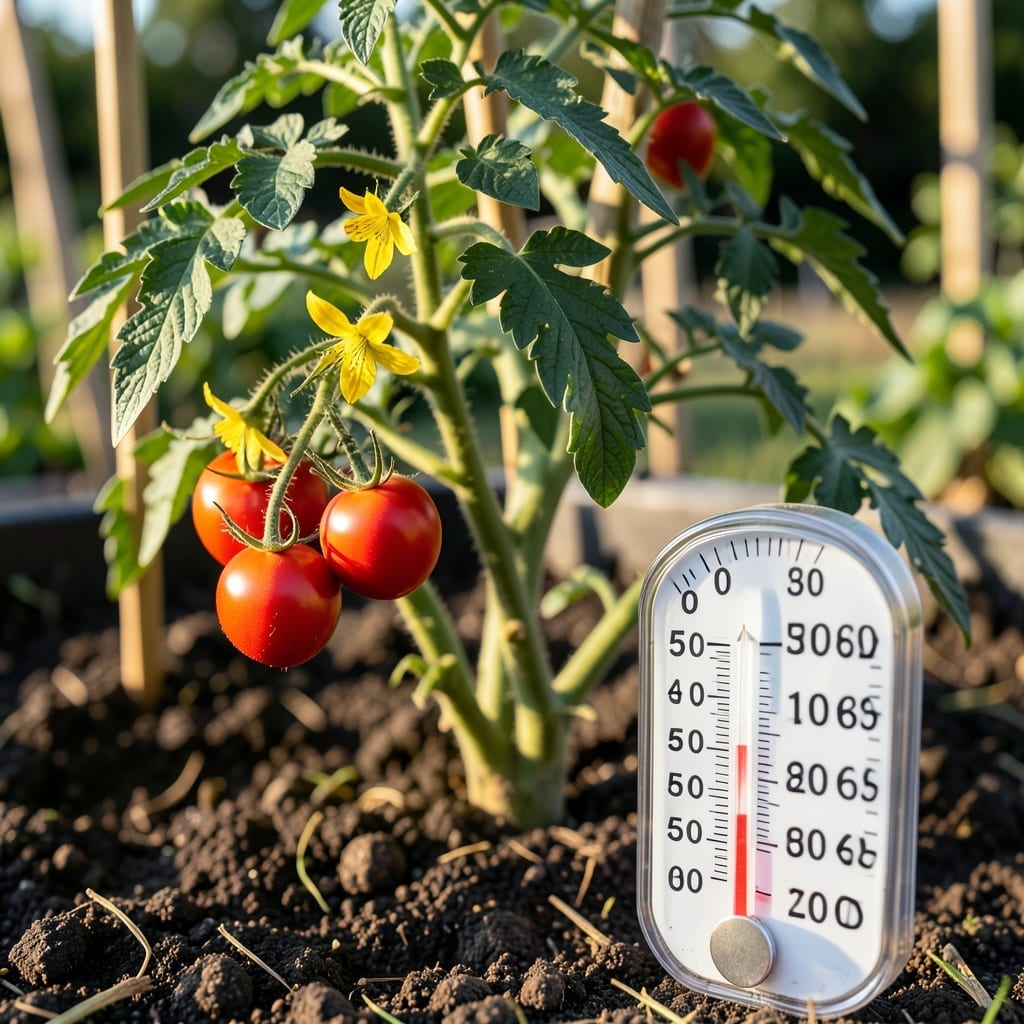
Nothing stings quite like losing a promising crop to an unexpected cold snap. With 🍅 Tomato plants, that heartbreak often comes when temperatures dip too low for their warmth-loving nature.
These tender plants have a surprisingly low threshold for cold, and even a light frost can spell disaster. Understanding their limits is the key to timing your planting and protecting your investment.
Discover exactly how cold is too cold for tomatoes, plus simple strategies to keep them thriving when the mercury drops. Your harvest depends on it.
Tomato plants are warm-season crops that can’t handle cold well. Even a light frost can damage or kill them, so knowing their limits is crucial for every gardener.
I’ve learned the hard way that temperature tolerance changes as tomatoes grow. What a seedling can survive is very different from a mature, fruiting plant.
| Growth Stage | Minimum Temp | Cold Damage Risk |
|---|---|---|
| Seedlings | 40°F (4°C) | High – stunted growth |
| Young Plants | 35°F (2°C) | Moderate – leaf damage |
| Mature Plants | 32°F (0°C) | Low – temporary wilting |
| Fruiting Stage | 50°F (10°C) | High – poor fruit set |
| All Stages | 28°F (-2°C) | Severe – plant death |
For tomato seedlings, temperatures below 40°F can stunt growth or even kill them. I always keep mine indoors until night temps stay above 50°F.
Once transplanted, young tomato plants can tolerate brief dips to 35°F, but you’ll see leaf damage and slowed growth. Use row covers if cold snaps are forecasted.
Mature tomato plants are more resilient. They can handle 32°F for short periods, though they’ll show stress. Prolonged exposure below this leads to serious damage.
When your plants start fruiting, they become more sensitive. 50°F is the minimum for proper fruit set. Cooler temps cause blossom drop and poor pollination.
Any frost (below 28°F) spells almost certain death for tomatoes. I’ve lost entire crops to unexpected late frosts, so I always monitor weather forecasts closely.
Remember, these are thresholds, not ideal temps. Tomatoes thrive in 70-85°F days and 60-70°F nights. The closer you stay to these, the better your harvest will be.
In my experience, soil temperature matters too. Even if air temps are okay, cold soil below 60°F can shock plants and delay growth. Use black plastic mulch to warm the soil.
When temperatures dip below 32°F, your tomato plants need immediate protection. Even a light frost can damage leaves and stems, so being prepared is essential for saving your crop.
I always check the weather forecast and act before cold arrives. Waiting until the last minute often means it’s too late to prevent damage from the cold snap.
Use Row Covers
Drape frost blankets or old sheets over plants before sunset to trap heat from the soil.
Apply Mulch
Add a 3-4 inch layer of straw or leaves around the base to insulate roots from cold.
Add Heat Sources
Place gallon jugs of water near plants during the day to absorb heat and release it at night.
Move Potted Plants
Bring container tomatoes indoors or to a garage to shield them from the cold.
For seedlings and young plants, I recommend using wall o’ water tepees. These create a mini greenhouse effect that can protect plants down to 20°F.
If you’re expecting a hard freeze, combine multiple methods. I layer row covers with plastic sheeting and add heat sources underneath for extra warmth.
In my garden, I also use Christmas lights (incandescent) under the covers for added warmth. Just be sure they’re outdoor-rated and not touching the fabric.
With these strategies, I’ve saved many tomato plants from unexpected cold snaps. A little preparation goes a long way in protecting your harvest.
☀️