
Beautiful Plants For Your Interior
Beautiful Plants For Your Interior
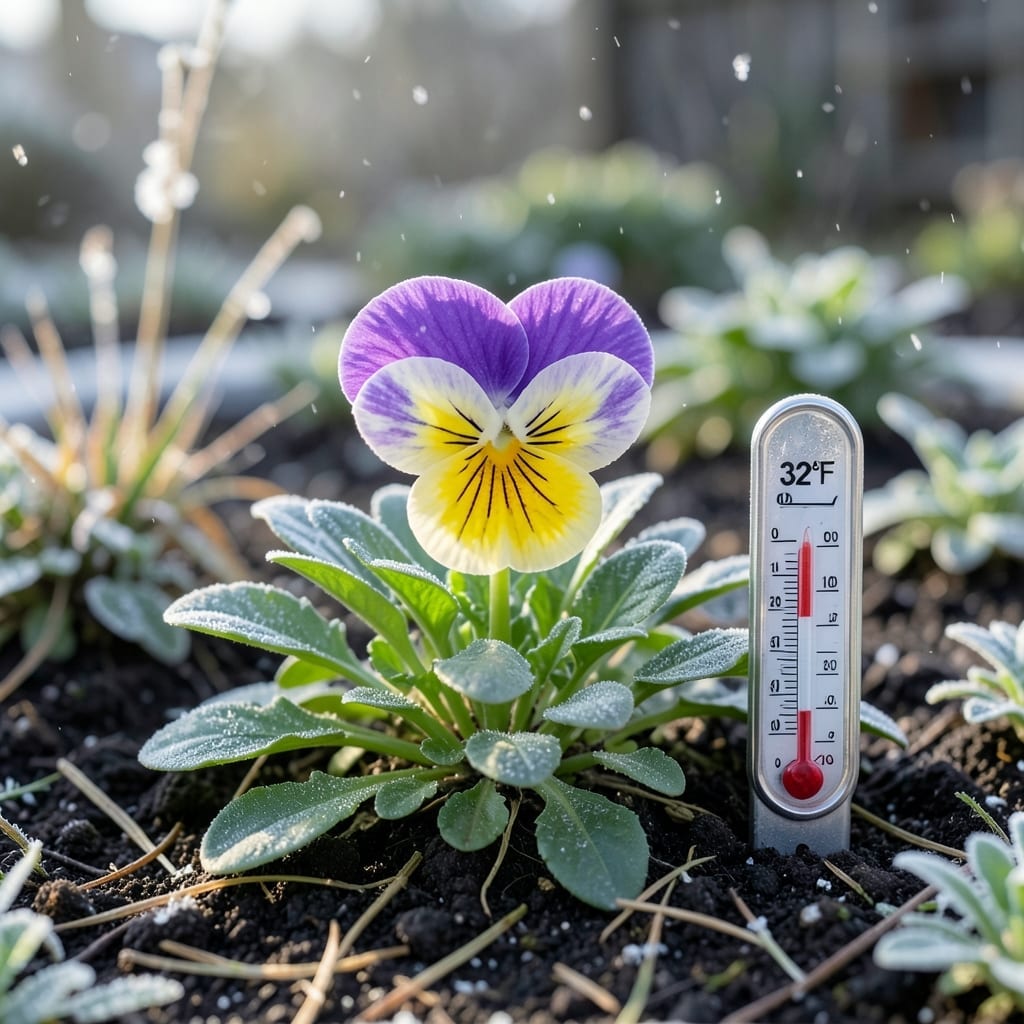
Pansies are the unsung heroes of cold-weather gardens, thriving when most flowers wilt. But just how low can temperatures go before they succumb?
Understanding their frost tolerance is the key to keeping your garden vibrant from fall to early spring. These hardy bloomers, like the cheerful 🌸 Pansy, can surprise even seasoned gardeners.
I’ve seen them laugh in the face of light frosts when other plants shiver. Their ability to handle chilly conditions makes them a favorite for shoulder seasons.
Discover exactly how cold they can go and what you can do to help them thrive. The answer might just change how you plan your garden.
Pansies are remarkably cold-hardy flowers, often surviving frost and light freezes that would kill most annuals. I’ve seen them thrive in temperatures as low as 25°F (-4°C) without protection, making them perfect for fall and early spring gardens. 🌸
However, their exact temperature tolerance depends on the cultivar and growing conditions. Most Viola × wittrockiana varieties can handle brief dips to 20°F (-7°C), but prolonged exposure to sub-freezing temps may damage their foliage and blooms.
| Requirement | Specification |
|---|---|
| Cold Hardiness Zones | USDA 4-8 |
| Lowest Temp Tolerance | 20-25°F (-7 to -4°C) |
| Frost Tolerance | Survives light frost |
| Freeze Tolerance | Brief exposure only |
| Mulch Effect | Extends survival to 15°F (-9°C) |
In my experience, pansies in well-drained soil and sheltered locations fare better in cold snaps. A thick layer of organic mulch can insulate roots, allowing them to survive even lower temperatures for short periods. 🌿
It’s important to note that pansies are not evergreen in harsh winters. In USDA zones 4-5, they may die back to the ground but often regrow from the crown when temperatures rise. In milder zones like 6-8, they can bloom year-round with proper care.
For container-grown pansies, the rules change slightly. Pots expose roots to colder air temperatures, so I recommend moving them to a protected area or wrapping the containers in bubble wrap when forecasts predict hard freezes below 20°F.
Another factor is moisture levels. Pansies prefer consistently moist soil, but wet roots in freezing temps can spell disaster. I always ensure my pansies are in well-draining soil and reduce watering as temperatures drop to prevent root rot. ☀️
If you’re pushing the limits of their cold tolerance, consider using row covers or cloches. These simple protections can create a microclimate that’s a few degrees warmer, making the difference between survival and loss during extreme cold snaps.
Lastly, healthy plants always handle stress better. I feed my pansies with a balanced fertilizer in early fall to strengthen them before winter. This extra boost helps them recover faster from cold damage and bounce back with vibrant blooms when warmth returns. 🌱
When temperatures dip below freezing, pansies need a little extra help to survive. I’ve found that mulching with straw or leaves can insulate the soil and protect roots from harsh cold. It’s a simple step that makes a big difference.
For extreme cold snaps, I always use frost blankets or row covers to shield my pansies. These lightweight fabrics trap heat and prevent frost damage without suffocating the plants. Just
⚠️ Avoid Overwatering Before a Frost
Wet soil freezes faster, which can damage roots. Water lightly in the morning and let the soil dry slightly before nightfall. This small habit can save your pansies from frostbite.
If you’re growing pansies in containers, move them to a sheltered location like a porch or garage when extreme cold is forecast. This extra layer of protection can keep them blooming longer, even in sub-freezing temperatures.
Another trick I swear by is planting in clusters. Grouping pansies together creates a microclimate that retains heat better than isolated plants. It’s a natural way to boost their cold hardiness without extra tools.
Don’t forget to deadhead spent blooms regularly, even in cold weather. This encourages the plant to focus its energy on survival and new growth rather than seed production, which is especially important in challenging conditions.
With these simple steps, your pansies can thrive even when the thermometer dips into the 20s. A little care goes a long way in keeping your garden vibrant through the colder months. 🌸