
Beautiful Plants For Your Interior
Beautiful Plants For Your Interior
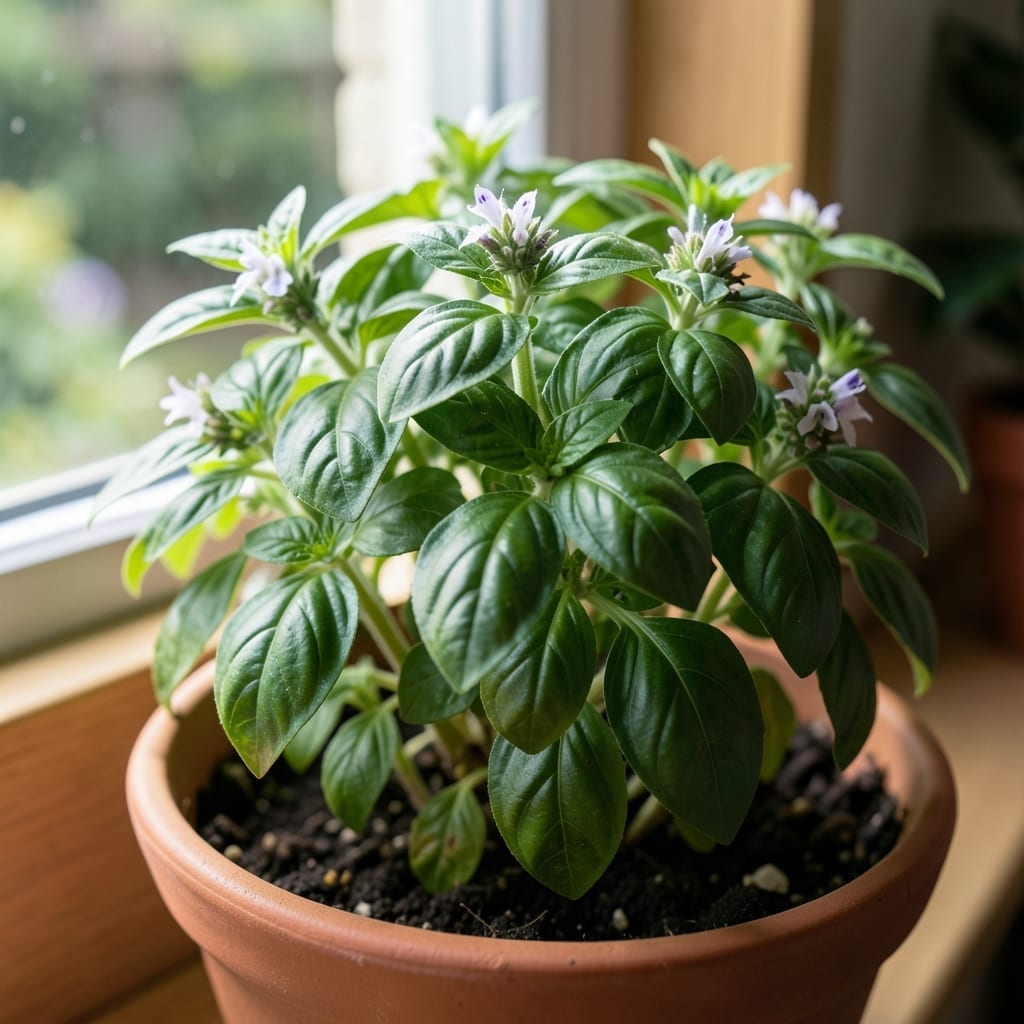
There’s nothing worse than watching your 🌿 Basil wilt overnight when an unexpected cold snap hits. I’ve been there, and it’s heartbreaking to lose plants you’ve nurtured for weeks.
As a warm-weather lover, basil has its limits when temperatures drop. Understanding these boundaries can mean the difference between thriving herbs and a sad, blackened mess.
I’ll share the exact cold threshold your basil can handle and, more importantly, how to shield it when the forecast turns ugly. These are the game-changer insights I wish I’d known sooner.
Let’s dive into what you need to know to keep your 🌿 Basil flourishing, even when the weather doesn’t cooperate. The right knowledge can save your harvest.
As a tropical herb, basil thrives in warmth and struggles with cold. I’ve learned the hard way that even a light frost can devastate these tender plants overnight. The lowest temperature basil can tolerate is typically 50°F (10°C).
Below this threshold, basil starts showing cold stress signs like wilting, blackened leaves, or stunted growth. Once temperatures dip to 32°F (0°C) or below, frost damage becomes irreversible, often killing the plant.
Basil’s tropical origins mean it has no natural frost resistance. Even temperatures in the 40s°F (4-9°C) range can cause significant damage if sustained for hours. I always monitor weather forecasts closely during shoulder seasons.
For potted basil, I move containers indoors when nighttime temperatures approach 50°F (10°C). This prevents the shock that often leads to irreversible damage. Garden-planted basil requires more proactive protection.
The critical killing temperature for basil is 28°F (-2°C) or lower. At this point, cell damage occurs, and recovery is unlikely. I’ve found that even a brief exposure to these temps can be fatal.
Early signs of cold stress include leaf discoloration and a limp appearance. If I notice these, I immediately implement protective measures like row covers or mulching to retain soil warmth.
Remember that humidity levels and wind exposure can exacerbate cold damage. A calm, humid night at 45°F (7°C) might be survivable, while a windy, dry night at the same temperature could be deadly.
For the best results, I recommend planting basil only after the last frost date has passed in your area. In my zone, that’s typically mid-April, but I always double-check local conditions.
If you’re growing basil in cooler climates, consider using cold frames or greenhouses to extend the growing season. These structures can provide just enough warmth to keep basil thriving when outdoor temps dip too low
When that first cold snap hits, your basil plants need immediate protection. Even a light frost can turn those lush green leaves to mush overnight. I’ve learned the hard way that prevention is key.
As a tropical herb, basil simply isn’t built for cold. Temperatures below 50°F slow its growth, and anything at 32°F or lower spells trouble. That’s why gardeners must act fast when forecasts dip.
I always keep frost blankets on hand for sudden temperature drops. These lightweight covers let light and water through while adding 4-6°F of protection. It’s a simple fix that saves plants.
For potted basil, the solution is even easier. Just move containers to a sheltered porch or indoors when nights get chilly. A south-facing window gives them the sunlight they crave.
Don’t forget about soil temperature. Cold roots stress the plant as much as cold air. A layer of straw or leaves around the base acts like a cozy blanket for the roots.
With these proactive steps, you can extend your basil’s growing season by weeks. A little preparation means you won’t have to say goodbye to fresh herbs at the first sign of cold. 🌿