
Beautiful Plants For Your Interior
Beautiful Plants For Your Interior
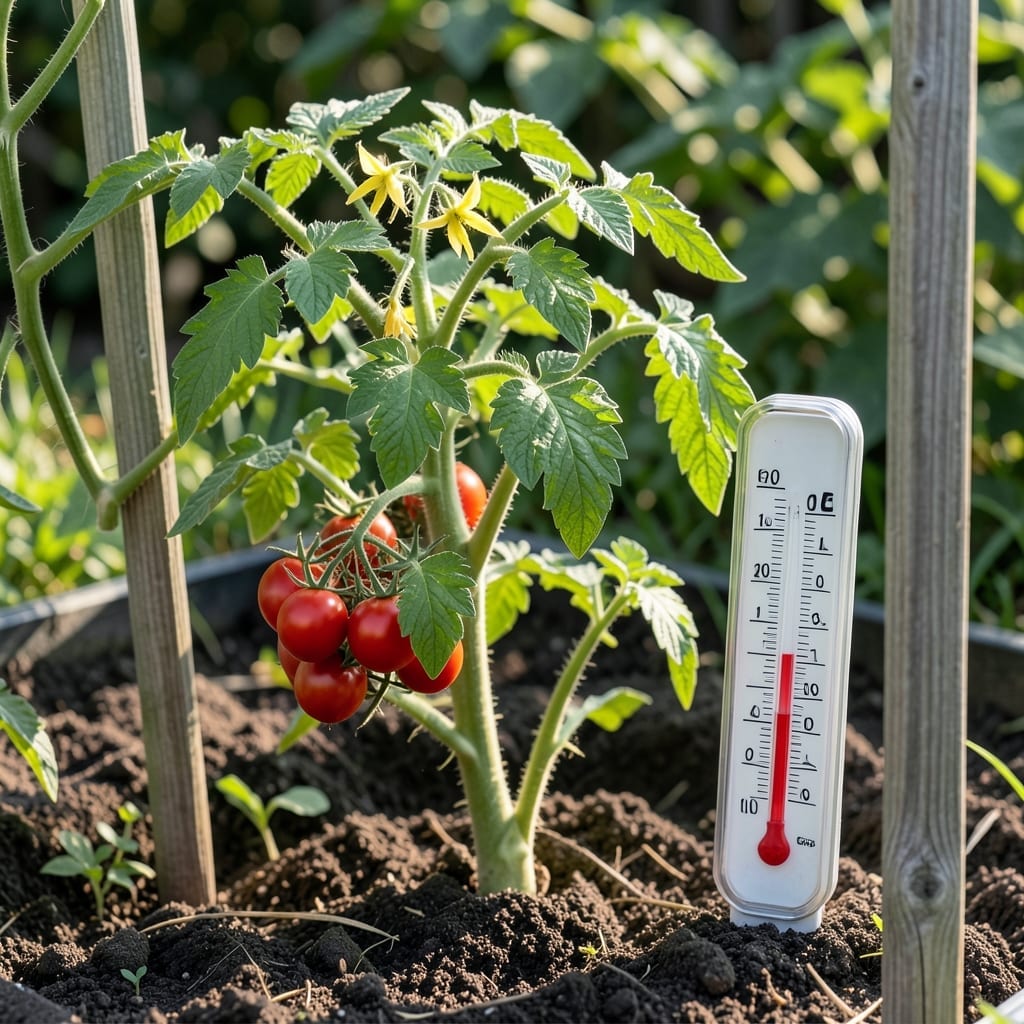
Tomato plants thrive in warmth, but a sudden cold snap can devastate your crop overnight. Knowing the critical low temperature threshold for 🍅 tomato plants is key to protecting your garden investment.
I learned this the hard way when an unexpected frost wiped out my first season’s plants. Even in zone 6, spring nights can dip dangerously low, catching unprepared growers off guard.
Discover the exact cold limits your plants can handle and the proven strategies to shield them. These insights could save your entire harvest.
Understanding the low temperature limits for tomato plants is crucial for any gardener. These warm-season crops can’t handle frost, but their cold tolerance varies by growth stage. I’ve seen seedlings perk up after a chilly night, while mature plants wilt at the same temperature.
Let me break down the exact thresholds your tomato plants can handle. These numbers come from years of trial, error, and research in my own garden.
| Growth Stage | Minimum Temp (°F) | Risk Level |
|---|---|---|
| Seedlings | 40°F | High |
| Transplants | 35°F | Very High |
| Established Plants | 32°F | Critical |
| Fruiting | 50°F | Moderate |
The seedling stage is most vulnerable to cold. Even at 40°F, young plants experience stunted growth and may never recover fully. I always wait until night temps stay above 50°F before moving seedlings outdoors.
Once transplanted, tomatoes can handle slightly cooler temps, but 35°F is the absolute limit. Below this, leaf damage becomes inevitable. I lost an entire row of Early Girl tomatoes to a late spring frost that hit 33°F.
Established plants fare better, tolerating down to 32°F briefly. However, frost will kill them. The fruit set is particularly sensitive – temps below 50°F prevent pollination, leading to blossom drop.
During fruiting stage, even 50°F nights can cause problems. The fruit development slows dramatically, and you may notice catfacing or poor flavor in tomatoes that do develop. I use row covers to maintain warmth.
Remember that wind chill makes temperatures feel even colder to plants. A 40°F night with wind can damage plants as severely as a 35°F calm night. Always check the weather forecast carefully.
In my experience, cherry tomatoes handle cold slightly better than beefsteak varieties. But all tomatoes share the same frost intolerance. One touch of frost, and it’s game over for the season.
To protect your plants, always have frost cloth or old blankets ready. When temps dip near these thresholds, cover plants before sunset to trap daytime heat. This simple step has saved my harvest countless times.
🌱When temperatures dip toward the danger zone for tomato plants, quick action saves your crop. I’ve tested numerous methods, and these seven consistently protect my plants from cold damage and unexpected frosts.
From simple DIY solutions to more advanced setups, each strategy addresses different cold scenarios. The key is preparing before the mercury drops, not after your plants show stress.
I always start with row covers as my first defense. They’re lightweight, reusable, and add about 4-6°F of warmth. For sudden cold snaps, I drape them directly over plants and secure the edges with soil or bricks.
Cloches work wonders for individual plants, especially in early spring. I’ve used cut plastic gallon jugs with the bottom removed as makeshift cloches. Just
Mulching is often overlooked but critical. A 2-3 inch layer of organic mulch keeps soil temps stable. I apply it right after transplanting and top it up as needed. This also helps retain moisture during warmer days.
For extreme cold, I combine multiple methods. Heat sources under row covers can add 10°F or more. I’ve strung old Christmas lights (incandescent, not LED) along the ground under covers for emergency warmth.
🌱