
Beautiful Plants For Your Interior
Beautiful Plants For Your Interior
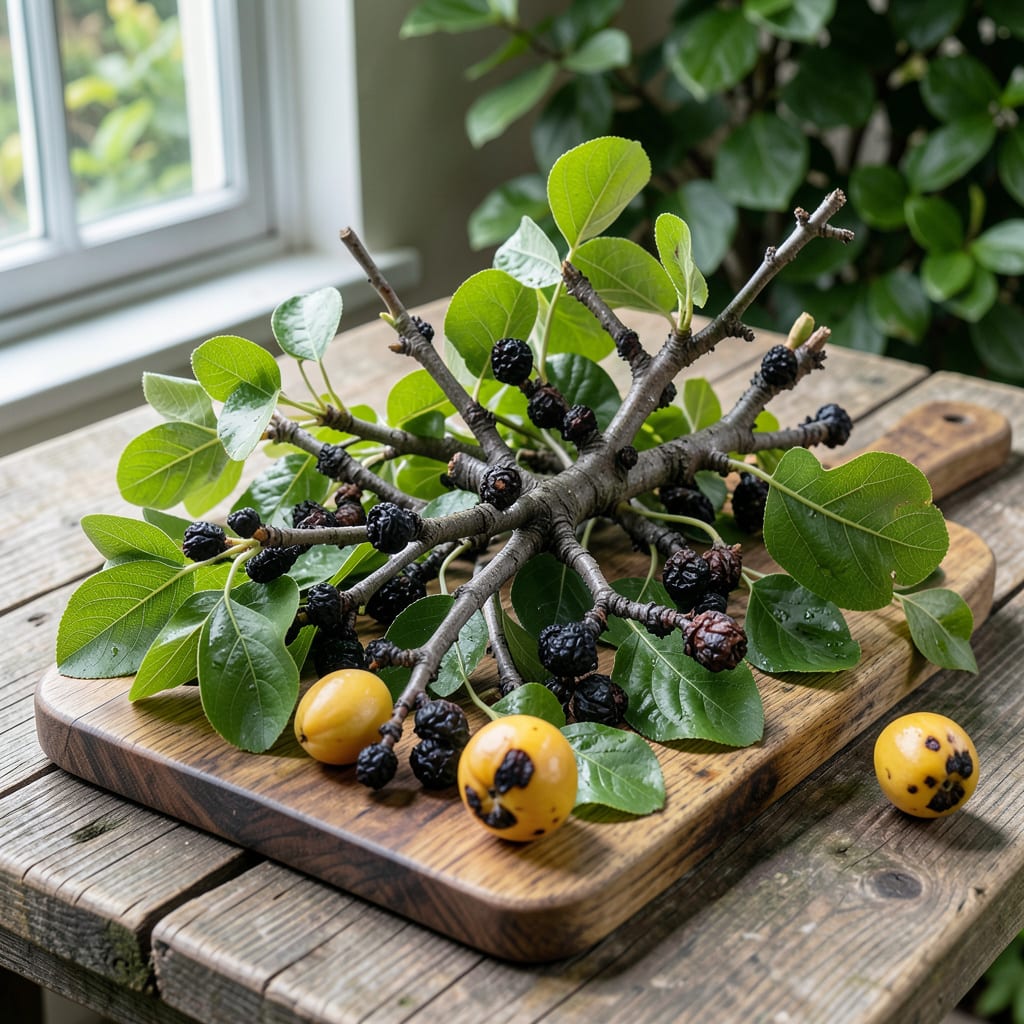
Blackened branches on your loquat tree aren’t just unsightly—they’re a red flag. Fire blight spreads fast, turning healthy growth into crisp, dead wood in days.
I first spotted it on my tree as oozing cankers and wilted shoots that looked scorched. The bacteria thrives in warm, wet springs, entering through blossoms or wounds. Early detection is your best defense against losing the whole tree.
Pruning infected limbs 6 inches below visible damage with sterilized tools stops the spread. Remove fallen leaves and debris to eliminate hiding spots for the bacteria.
Organic sprays like copper fungicide applied at bud break can prevent new infections. Consistent monitoring catches outbreaks before they spiral out of control.
Fire blight, a destructive bacterial disease caused by Erwinia amylovora, thrives under specific environmental and cultural conditions. Understanding these triggers helps in preventing outbreaks in loquat trees. Below are the primary causes:
The bacteria proliferate rapidly in temperatures between 65–85°F (18–29°C), especially when coupled with high humidity or rain. These conditions facilitate bacterial spread through blossom blight (via pollinators) or water splashes from infected plant parts.
Dense canopies or overcrowded planting restrict airflow, creating a moist microclimate ideal for bacterial growth. Prune loquat trees to improve ventilation and reduce infection risk.
E. amylovora enters through fresh cuts (e.g., pruning wounds) or natural openings like linting (fuzzy growth on new shoots). Sterilize tools with 70% isopropyl alcohol between cuts to avoid cross-contamination.
Bees, ants, and other pollinators can carry bacteria from infected blossoms to healthy ones. Avoid overhead irrigation during bloom to limit bacterial dissemination.
Some loquat cultivars lack genetic resistance to fire blight. Research disease-resistant varieties (e.g., ‘Champagne White’) if replanting in blight-prone areas.
Fire blight can be devastating, but with the right approach, you can save your loquat tree. Here’s how to tackle it head-on, cause by cause.
Remove all infected branches at least 8–12 inches below the visible damage. Use sterilized pruning shears (dip in rubbing alcohol between cuts) to prevent spreading. Burn or trash the infected material—do not compost it. Pro tip: Prune in dry weather to reduce bacteria spread.
Fire blight thrives in wet conditions. Improve drainage by amending soil with compost or sand. Water deeply but less frequently, aiming for the base of the tree to keep foliage dry. Pro tip: Use drip irrigation to avoid wetting leaves.
Prune to open the canopy, allowing better airflow and sunlight penetration. This reduces humidity, making it harder for bacteria to take hold. Remove crossing branches and thin out dense areas. Pro tip: Sterilize tools after each cut to avoid contamination.
Apply copper fungicide or bacillus subtilis (a beneficial bacteria) as a preventive spray before symptoms appear. Reapply after rain or every 7–10 days during wet seasons. Pro tip: Spray in the evening to avoid harming pollinators.
Remove fallen leaves, fruit, and debris around the tree, as they can harbor bacteria. Disinfect pruning tools, stakes, and even your gloves after handling infected plants. Pro tip: Rake the ground under the tree weekly during active growing seasons.
Prevention is key! Plant fire blight-resistant loquat varieties if possible, and always monitor your tree for early signs like wilted shoots or oozing cankers. Act fast—the sooner you intervene, the better your tree’s chances.
Look for wilted shoots that appear scorched or blackened, often with oozing cankers. Leaves may turn brown but remain attached. Early detection is crucial for treatment.
Always cut at least 8–12 inches below visible infection to ensure full removal of bacteria. Sterilize tools between cuts with 70% isopropyl alcohol.
No, never compost infected material. The bacteria can survive and spread. Burn or dispose of branches in sealed trash bags instead.
Apply copper fungicide or beneficial bacteria sprays at bud break and every 7–10 days during wet seasons. Evening applications protect pollinators.
