
Beautiful Plants For Your Interior
Beautiful Plants For Your Interior
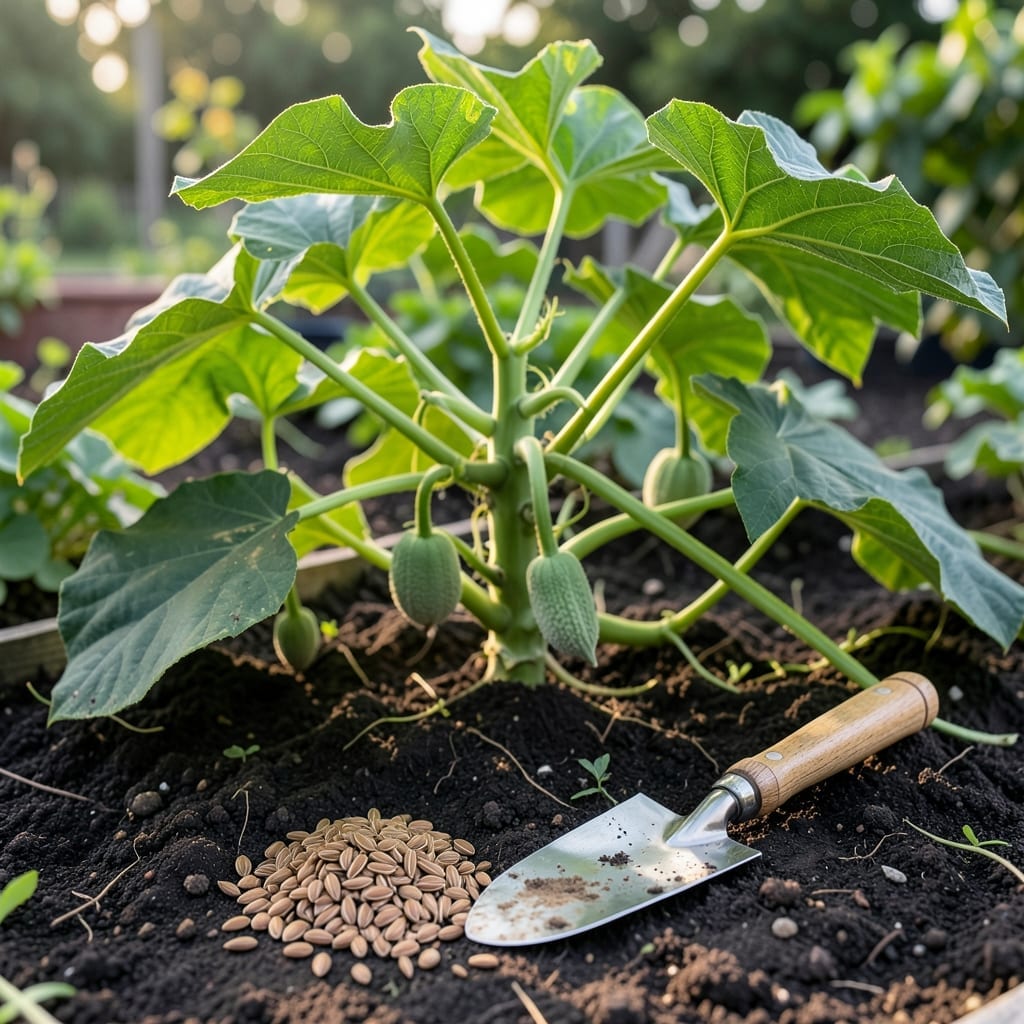
Growing your own Loofah 🥒 starts with finding quality seeds, and sourcing them locally can save you time and ensure varieties suited to your climate.
Whether you’re a seasoned gardener or just starting, knowing where to look for seeds makes all the difference. Local suppliers often carry region-appropriate options.
I’ll guide you through the best places to find seeds nearby, from garden centers to community swaps. You’ll discover how to spot high-quality options.
With the right seeds in hand, you’ll be well on your way to a thriving Loofah harvest. Let’s get started.
Finding loofah seeds nearby is easier than you think. I always start my search at local garden centers and nurseries, where staff can recommend varieties that thrive in our climate. These spots often carry heirloom seeds perfect for home gardens.
Another great option is farmers markets, where local growers sometimes sell seeds from their own harvests. I love supporting small businesses while getting region-adapted seeds that are already proven to grow well in our area.
| Source | What to Expect | Best For |
| Garden Centers | Wide variety, expert advice | Beginners, quality seeds |
| Farmers Markets | Local, adapted seeds | Unique varieties, supporting locals |
| Seed Swaps | Free seeds, community | Experienced gardeners |
| Online Local Sellers | Convenience, home delivery | Busy gardeners |
Don’t overlook seed swap events organized by gardening clubs. I’ve found some of my best loofah seeds this way, and it’s a fantastic chance to connect with fellow gardeners who share tips about growing Luffa aegyptiaca successfully.
For those who prefer shopping from home, many local nurseries now offer online ordering with in-store pickup. I check their websites for loofah seed availability before making the trip to save time.
When visiting any seed supplier, I always ask about the seed’s age and germination rate. Fresh seeds from the current or previous year give me the best chance for successful sprouting in my garden.
Some garden centers even carry organic loofah seeds, which is important if you’re growing for edible use. I look for USDA Organic certification to ensure the seeds meet my gardening standards.
Local agricultural extension offices can be a goldmine of information. They often maintain lists of trusted seed suppliers and can advise on the best loofah varieties for our specific growing zone.
I’ve also had luck with community gardens, where experienced members often share seeds. It’s a great way to get free loofah seeds while learning from others’ experiences.
With so many local options, you’re sure to find the perfect loofah seeds to start your garden adventure. I always keep a few extra packets to share with neighbors who want to try growing this versatile vine too. 🌱
Selecting the right loofah variety is crucial for a successful harvest. I always consider my climate zone and available space when choosing seeds, as some types thrive better in certain conditions than others.
The two main types are ridge loofah (Luffa acutangula) and smooth loofah (Luffa aegyptiaca). Ridge varieties tend to be more heat-tolerant, while smooth types often produce larger sponges.
| Variety | Characteristics | Best Use |
| Ridge Loofah | Long, ribbed, heat-tolerant | Bath sponges |
| Smooth Loofah | Large, smooth, vigorous | td>Kitchen sponges|
| Dwarf Loofah | Compact, early maturing | Small gardens |
For edible use, I recommend young smooth loofah fruits, as they’re less fibrous when harvested early. I’ve found they taste similar to zucchini when cooked properly.
If space is limited, dwarf varieties are perfect for containers. They still need a trellis but won’t overwhelm small gardens like their larger cousins might.
I always check the days to maturity when selecting seeds. In shorter growing seasons, I opt for varieties that mature in 120-150 days rather than those needing 180 days.
For organic gardens, look for certified organic seeds. These ensure no synthetic treatments were used, which is especially important if you plan to eat the young fruits.
Remember, the best variety for you depends on your garden goals and growing conditions. I suggest starting with one type and expanding as you gain experience. 🌱