
Beautiful Plants For Your Interior
Beautiful Plants For Your Interior
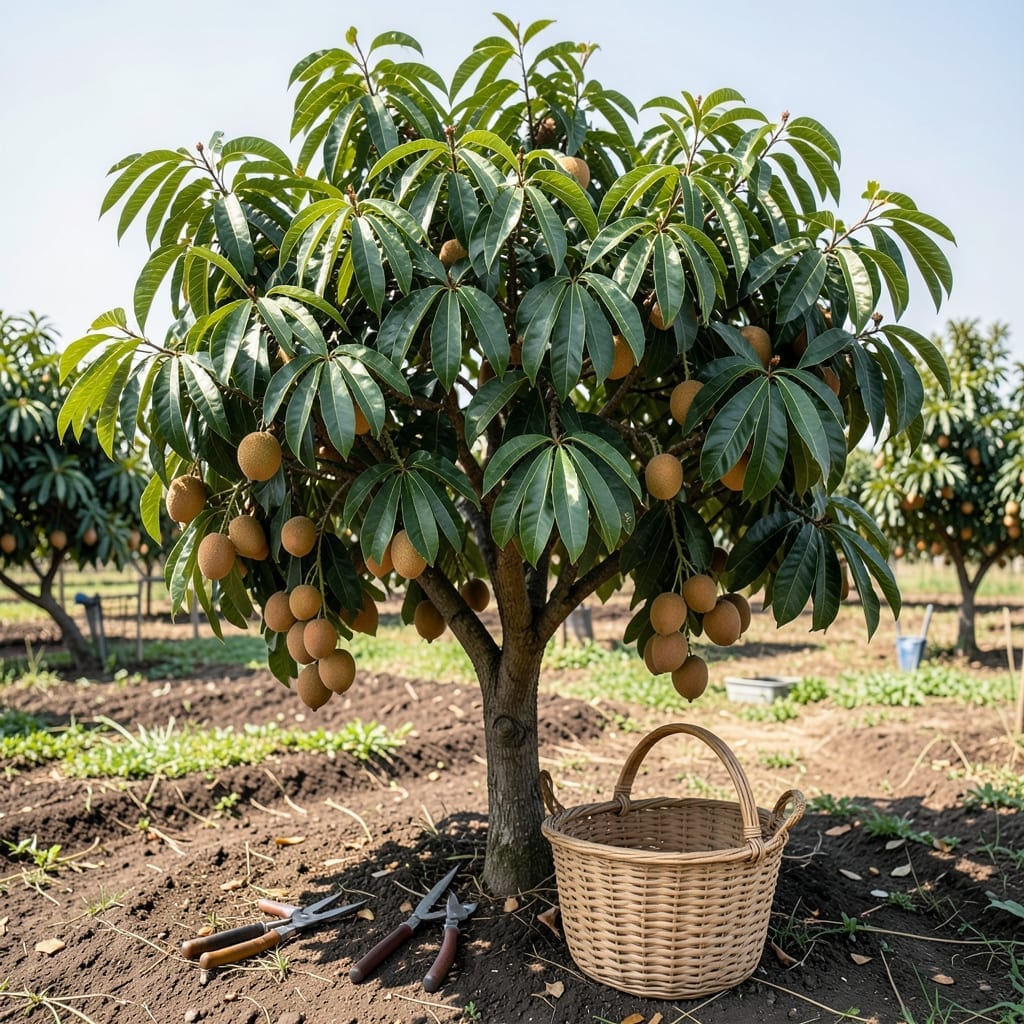
Craving that sweet, floral taste of fresh 🍈 Longan? Timing your harvest is everything—pick too early, and the fruit lacks its signature richness.
Wait too long, and it overripens on the tree. The difference between a mediocre harvest and an exceptional one often comes down to just a few days.
I’ve learned the hard way that knowing the exact season windows is the key to enjoying the juiciest, most flavorful longans straight from your garden.
Discover the regional variations and timing secrets that will transform your longan harvest this year.
If you’re growing longan trees, knowing the harvest season is key to enjoying the sweetest fruit. The timing varies by region, but most tropical areas see peak harvests in late summer.
In subtropical zones like Florida, the longan fruit season typically runs from July to September. The fruit thrives in warm climates with plenty of sunlight and humidity.☀️
| Region | Peak Season | Climate Notes |
| Florida | July-Sept | Subtropical, humid |
| Hawaii | June-August | Tropical, year-round warmth |
| Thailand | May-July | Tropical monsoon |
| Australia | Feb-March | Subtropical, Southern Hemisphere |
In Hawaii, the longan season starts earlier, often in June, thanks to its consistent tropical climate. The trees here can produce fruit year-round under ideal conditions.
For Thailand and other Southeast Asian regions, the peak longan harvest is usually from May to July. The monsoon season plays a role, as the fruit prefers high humidity and warm temperatures.
In Australia, the season flips due to its Southern Hemisphere location. Gardeners there enjoy longan harvests from February to March, aligning with their summer months.
The USDA zones 10-11 are ideal for growing longan trees. These zones provide the warmth and frost-free days needed for the fruit to mature properly. In cooler areas, consider container growing to move trees indoors during cold snaps.
Climate isn’t the only factor—tree age and variety also influence the harvest window. Younger trees may produce fruit later in the season, while mature trees often bear earlier and more abundantly.
For the best results, monitor your longan tree closely as the season approaches. Look for color changes in the fruit and a sweet aroma, which signal that harvest time is near.
Whether you’re in Florida, Hawaii, or beyond, understanding your local climate and growing conditions will help you pinpoint the perfect longan fruit season for your garden.🌿
Timing your longan harvest perfectly ensures the sweetest flavor and best texture. I always watch for visual changes in the fruit’s skin as the first sign of readiness. The transformation from green to brown is a clear indicator.
The skin texture also shifts, becoming slightly rougher when ripe. I’ve found that a drying stem is another reliable clue that the longan fruit is nearing its peak. ☀️
A sweet aroma is one of the most telling signs. If I can smell the floral sweetness from a few feet away, I know the fruit is nearly ready. This scent is strongest in the early morning under warm conditions. 🌿
Gently pressing the fruit should yield a slight give, but it shouldn’t feel mushy. I check multiple fruits in a cluster to confirm consistency. Overripe longans may split or drop, so I harvest just before this stage.
I also look for full, heavy clusters on the tree. If the branches appear weighed down, the fruit is likely at its prime. This is especially true for mature longan trees in USDA zones 10-11.
Finally, I avoid harvesting during rainy periods, as excess moisture can dilute the flavor. Picking in dry, sunny weather ensures the best taste and storage life. ✂️