
Beautiful Plants For Your Interior
Beautiful Plants For Your Interior
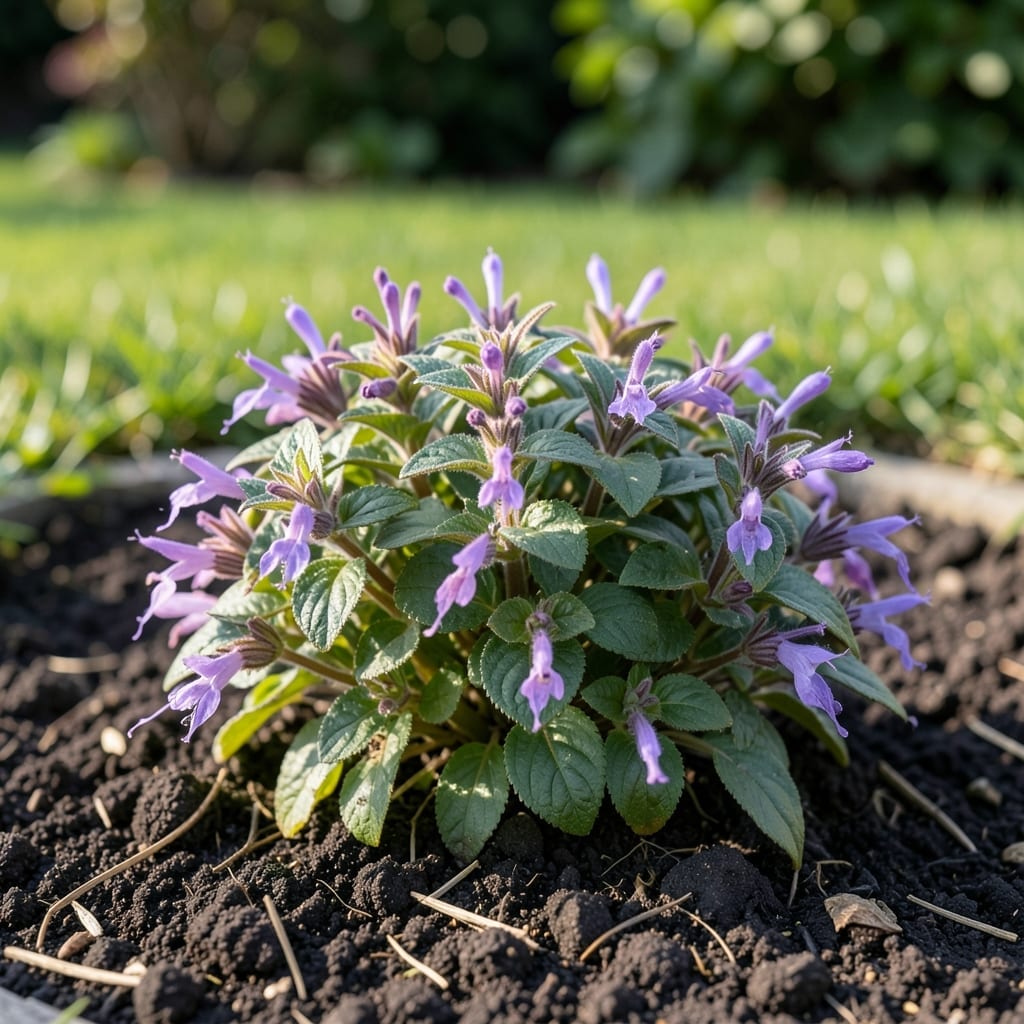
Purple lobelia foliage stops people in their tracks. 🌿 I first noticed it three seasons ago when a single plant turned deep burgundy in my partial-shade border.
This isn’t your average green lobelia—it thrives in cooler temperatures and actually intensifies its color as the weather turns. Most gardeners don’t realize it’s the same easy-care plant, just with a dramatic twist.
You’ll get cascades of vibrant purple leaves that look stunning spilling from hanging baskets or edging pathways. The color holds strong from spring through first frost.
Works in containers, beds, or anywhere you want bold contrast without the fuss. Here’s how to make it happen.
Lobelia developing purple leaves is often a sign of environmental or nutritional stress. Below are the most common causes, explained with actionable insights.
Lobelia thrives in cool to moderate temperatures (60–75°F). Exposure to extreme heat (above 85°F) or cold snaps (below 50°F) can trigger anthocyanin production—a pigment that turns leaves purple as a protective response. Move potted lobelia to shade during heatwaves or use row covers in unexpected frosts.
Purple foliage, especially on older leaves, often signals a phosphorus (P) shortage. This nutrient is critical for energy transfer and root development. Test your soil: if pH is too high (above 7.5), phosphorus becomes less available. Amend soil with bone meal or a balanced fertilizer (10-10-10) to restore levels.
While lobelia loves bright light, intense direct sunlight (especially in hot climates) can scorch leaves, prompting purpling. Varieties like Lobelia erinus prefer partial shade. Relocate plants to dappled sunlight or provide afternoon shade to prevent stress.
Waterlogged roots suffocate, limiting nutrient uptake (including phosphorus). Purple leaves may appear alongside wilting. Ensure pots have drainage holes and use well-draining soil mixes with perlite. Water only when the top inch of soil feels dry.
If your lobelia’s leaves are turning purple, don’t worry—there are simple fixes to restore their vibrant green. Below are targeted solutions for the most common causes, along with prevention tips to keep your plants thriving.
Fix: Test your soil for phosphorus or nitrogen imbalances. Use a balanced, water-soluble fertilizer (10-10-10) to replenish nutrients. For organic growers, add compost or worm castings to boost soil health.
Prevention: Fertilize lightly every 4-6 weeks during the growing season. Avoid over-fertilizing, as excess phosphorus can also trigger purpling.
Fix: Move potted lobelia to a shaded area during extreme heat or cold snaps. For in-ground plants, apply mulch to insulate roots and regulate soil temperature.
Prevention: Plant lobelia in locations with stable temperatures (60–75°F). Use frost cloth in early spring or late fall if cold nights are expected.
Fix: Relocate lobelia to a spot with bright, indirect light (4–6 hours of morning sun). If growing indoors, use a grow light for 12–14 hours daily.
Prevention: Monitor light exposure and adjust as seasons change. Rotate pots weekly for even growth.
💡 Pro Tip: Purple leaves from light stress often recover within 2–3 weeks after correcting the issue.
Fix: Check soil moisture—lobelia prefers consistently moist (not soggy) soil. Water deeply when the top inch feels dry. For overwatered plants, improve drainage by amending soil with perlite.
Prevention: Use self-watering pots or drip irrigation for consistent moisture. Always water at the base to avoid fungal issues.
Addressing these issues promptly will help your lobelia regain its lush green foliage and continue blooming beautifully!
Some varieties naturally develop deep purple leaves, especially in cooler weather. However, sudden purpling often signals stress from temperature extremes or nutrient deficiencies.
With proper care adjustments, new growth typically returns to normal within 2-3 weeks. Existing purple leaves may not revert but will be replaced by healthy green ones.
Yes! Provide afternoon shade, use mulch, and keep soil consistently moist. Consider heat-tolerant varieties like Lobelia cardinalis for warmer zones.