
Beautiful Plants For Your Interior
Beautiful Plants For Your Interior
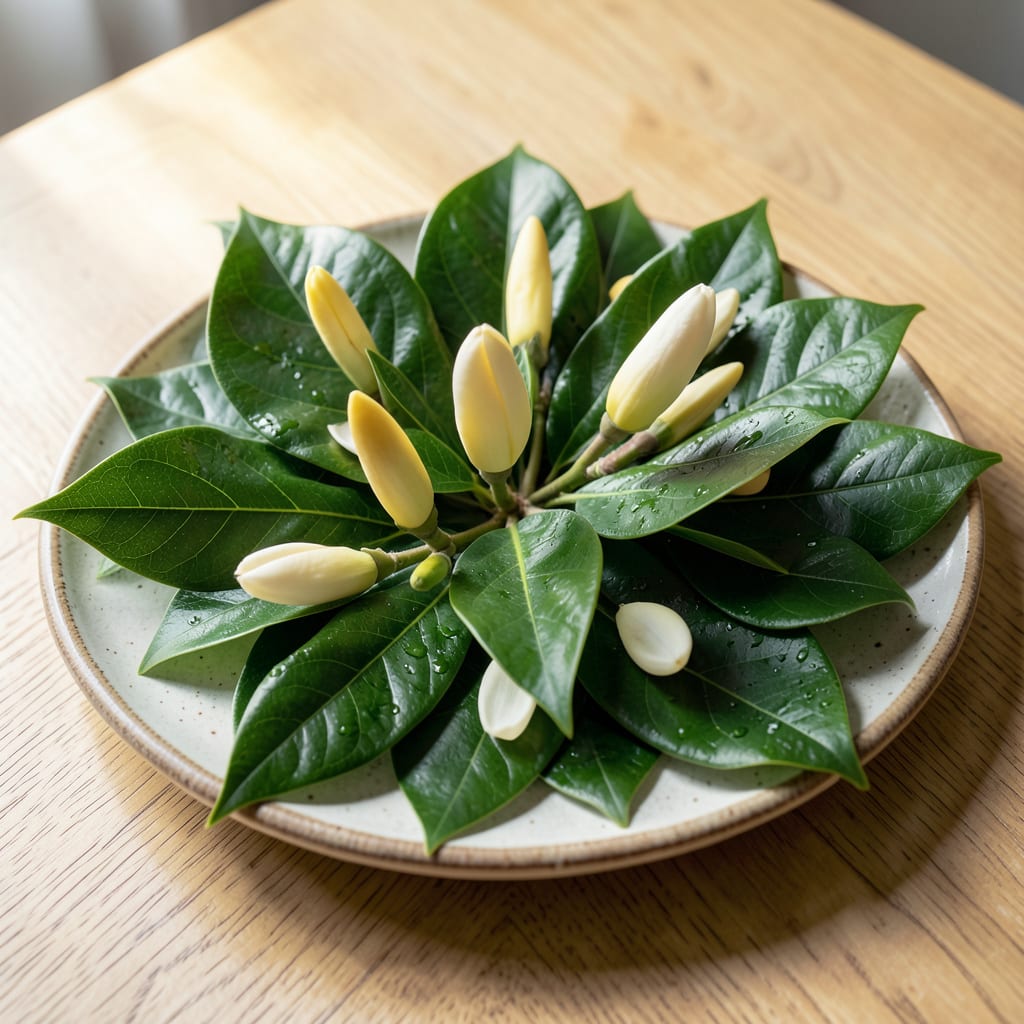
Little Gem magnolias stole my heart with their glossy dark green leaves that stay vibrant through every season. These evergreen leaves aren’t just pretty—they’re the plant’s powerhouse, working year-round to keep it healthy and thriving.
I’ve learned that maintaining that rich color and sheen comes down to simple care: consistent watering, well-draining soil, and protection from harsh winds. The payoff is a tree that looks spot-on even in winter’s dullest months.
📚 In This Guide
This compact evergreen rewards minimal effort with glossy foliage that shines through every season.
Choose a location with full sun to partial shade—Little Gem thrives in 6+ hours of direct light but tolerates afternoon shade in hotter climates. I’ve found morning sun produces the deepest green, most lustrous leaves. Ensure the soil is well-draining and slightly acidic (pH 5.5-6.5).
Dig a hole twice as wide as the root ball but no deeper. Plant so the root flare is visible at soil level—burying it too deep suffocates the tree and leads to yellowing foliage. Backfill with native soil, water deeply, and mulch with 2-3 inches of organic matter to retain moisture.
Water newly planted trees 2-3 times weekly for the first month, then taper to 1-2 times weekly once established. The goal is to keep soil consistently moist but never soggy. I check by pushing my finger 2 inches into the soil—if it feels dry, it’s time to water.
Drought stress causes leaves to curl and brown at the edges. Conversely, overwatering leads to yellowing leaves and root rot. A 2-3 inch layer of mulch helps regulate soil moisture while keeping roots cool in summer heat.
Apply a balanced, slow-release fertilizer formulated for acid-loving plants in early spring, just as new growth emerges. I use a 10-10-10 or 12-4-8 blend, following label instructions for dosage. Avoid fertilizing after mid-summer—late applications stimulate tender growth vulnerable to winter damage.
Yellow leaves with green veins often indicate iron deficiency, common in alkaline soils. Correct this with a foliar spray or soil drench of chelated iron. Always water before and after applying fertilizer to prevent root burn and ensure even distribution.
Prune Little Gem magnolias in late winter or early spring, just before new growth starts. This timing avoids cutting off flower buds while allowing the tree to heal quickly. I remove dead, diseased, or crossing branches first, then shape the canopy to encourage airflow and light penetration.
Avoid heavy pruning—this cultivar naturally maintains a compact, rounded form. If you must reduce size, never remove more than 20% of the canopy in a single year. Sterilize pruning tools with rubbing alcohol between cuts to prevent disease transmission, which can manifest as blackened or spotted leaves.
Inspect leaves regularly for signs of pests like scale or aphids, which appear as sticky residue or black sooty mold. A strong blast of water often dislodges soft-bodied pests, but for severe infestations, use horticultural oil or insecticidal soap, applying in the early morning or late evening to avoid leaf burn.
Fungal issues like leaf spot or powdery mildew thrive in wet conditions. Space plants for good airflow, avoid overhead watering, and remove fallen leaves promptly. Copper fungicide can treat existing problems, but prevention through cultural practices is far more effective for maintaining that signature glossy foliage.
These simple adjustments make caring for your Little Gem magnolia nearly foolproof.
Site Selection Insight: The 6+ hours of direct light mentioned in Step 1 isn’t just a suggestion—it’s critical for achieving that signature gloss. Morning sun is particularly valuable as it’s less intense than afternoon rays, which can scorch leaves in hotter climates. I’ve noticed trees in partial shade develop thinner foliage with less luster.
Planting Precision: When digging that hole twice as wide as the root ball in Step 1, resist the urge to go deeper. The root flare must remain visible above soil level; I’ve seen too many magnolias struggle because they were planted too deep, leading to the yellowing foliage the instructions warn about.
Watering Wisdom: That 2-3 times weekly schedule for new plantings in Step 2 is your best defense against transplant shock. The finger test—pushing 2 inches into the soil—is more reliable than any moisture meter. Drought stress shows up as curled, brown edges, while overwatering causes that telltale yellowing.
Pruning Discipline: The 20% canopy limit in Step 4 exists for good reason. I once removed nearly a third of a tree’s foliage in one season, and it took two years to recover its natural shape. Late winter pruning also ensures you won’t accidentally remove flower buds that form in late summer.
Yellowing leaves often signal overwatering or poor drainage. Ensure the soil is well-draining and water only when the top inch feels dry. Nutrient deficiencies or pests can also cause this—check for signs like spots or webbing.
This compact evergreen grows at a moderate rate, typically 12–24 inches per year. With proper care, it can reach 12–20 feet tall and 8–10 feet wide over 10–15 years.
Yes! It thrives in large pots (20+ gallons) with good drainage. Use acidic, well-draining soil and repot every 2–3 years to prevent root binding.
As an evergreen, it sheds leaves gradually year-round, with a slight increase in spring as new growth emerges. No need to worry—it’s natural!
For similar glossy foliage, try ‘Southern Magnolia’ (larger) or ‘Teddy Bear’ (dwarf). Both offer evergreen beauty but vary in size and cold hardiness.
