
Beautiful Plants For Your Interior
Beautiful Plants For Your Interior
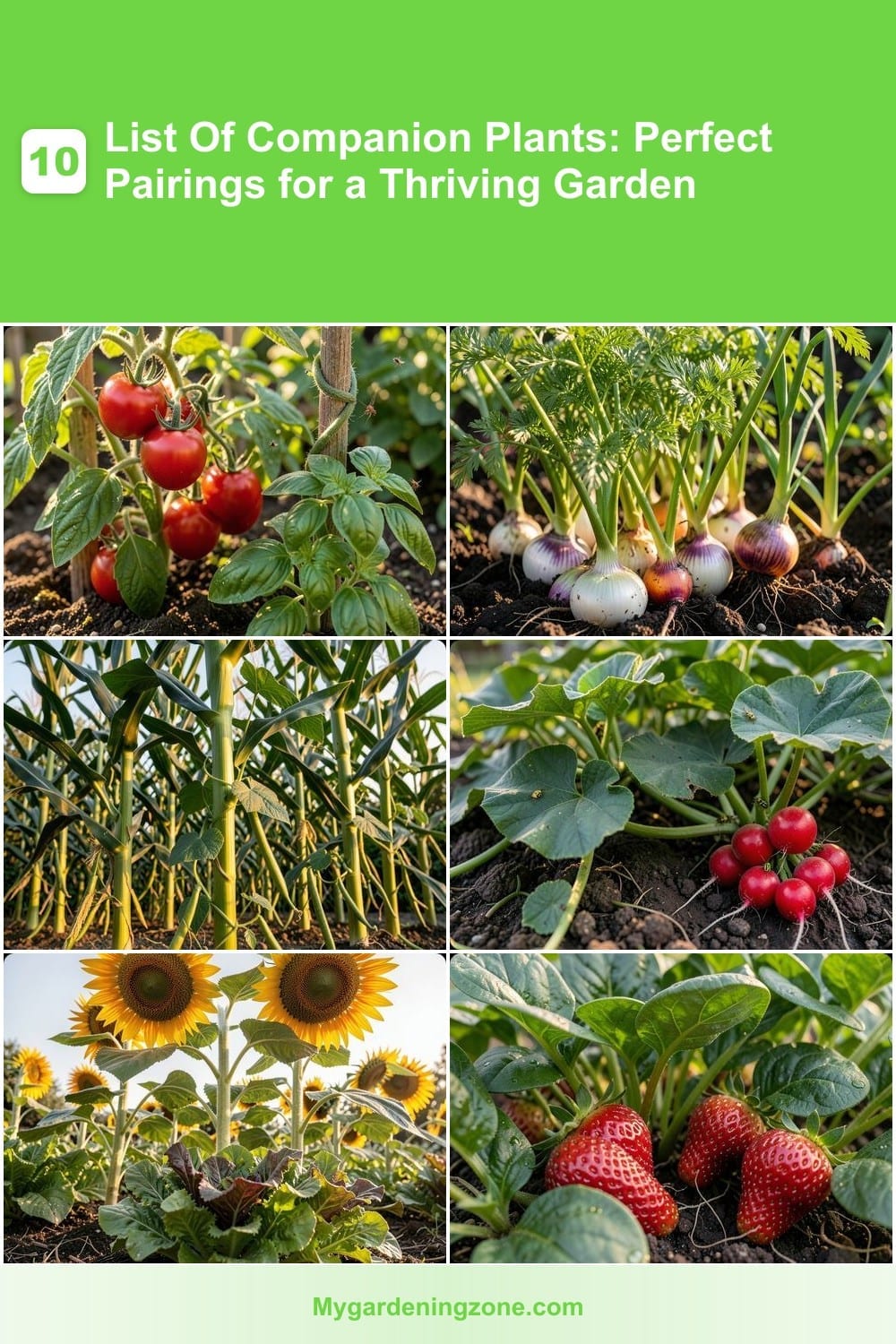
Companion planting boosts garden health by pairing plants that benefit each other. This list reveals the top 10 perfect pairings to deter pests, improve growth, and maximize your harvest naturally.
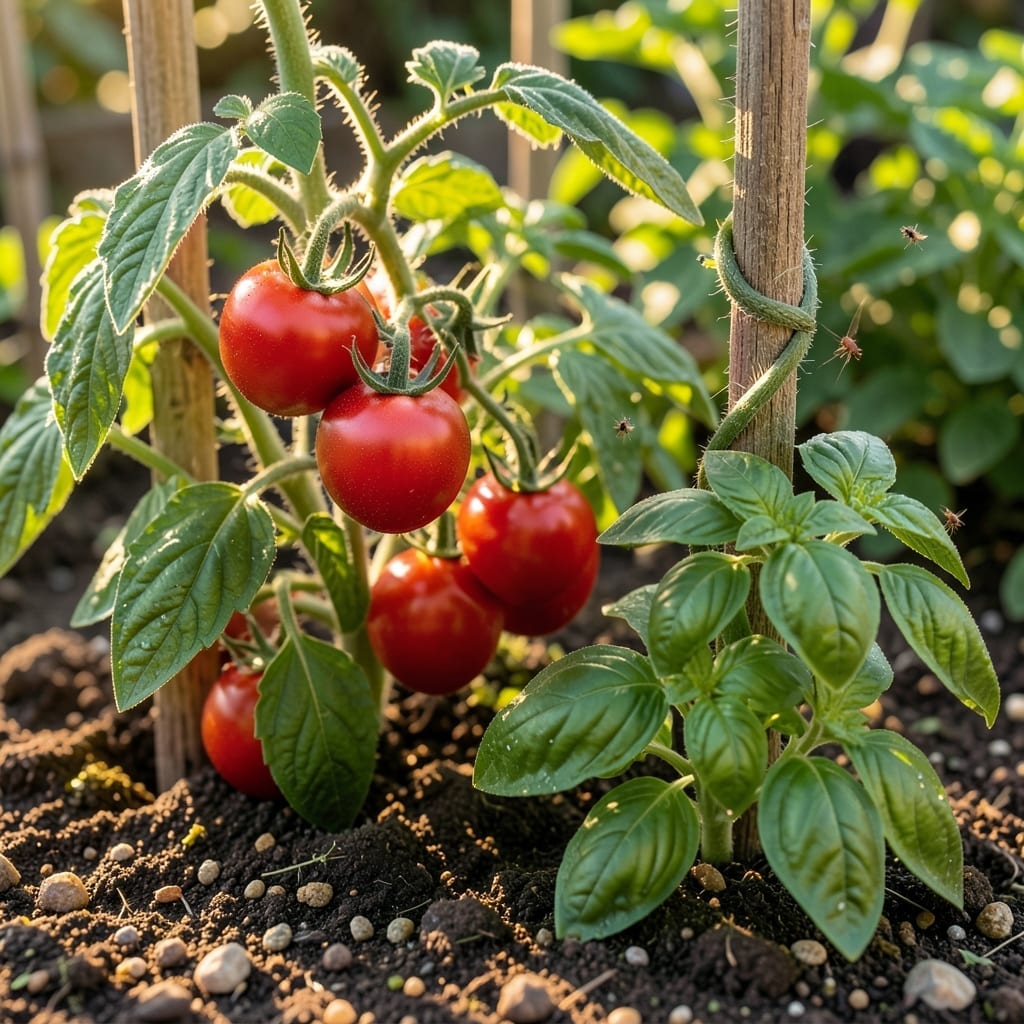
Tired of watching pests feast on your tomato plants before you get a single ripe fruit? Planting basil alongside tomatoes creates a natural defense system that keeps troublesome thrips and whiteflies at bay.
The aromatic oils in basil mask the scent of tomatoes, confusing pests while improving your harvest’s flavor. You’ll notice fewer damaged leaves and more vigorous growth when these two share garden space. For best results, plant basil 12-18 inches from tomato stems.
This classic pairing is perfect for organic gardeners who want to reduce chemical use while enhancing their garden’s productivity. 🌱
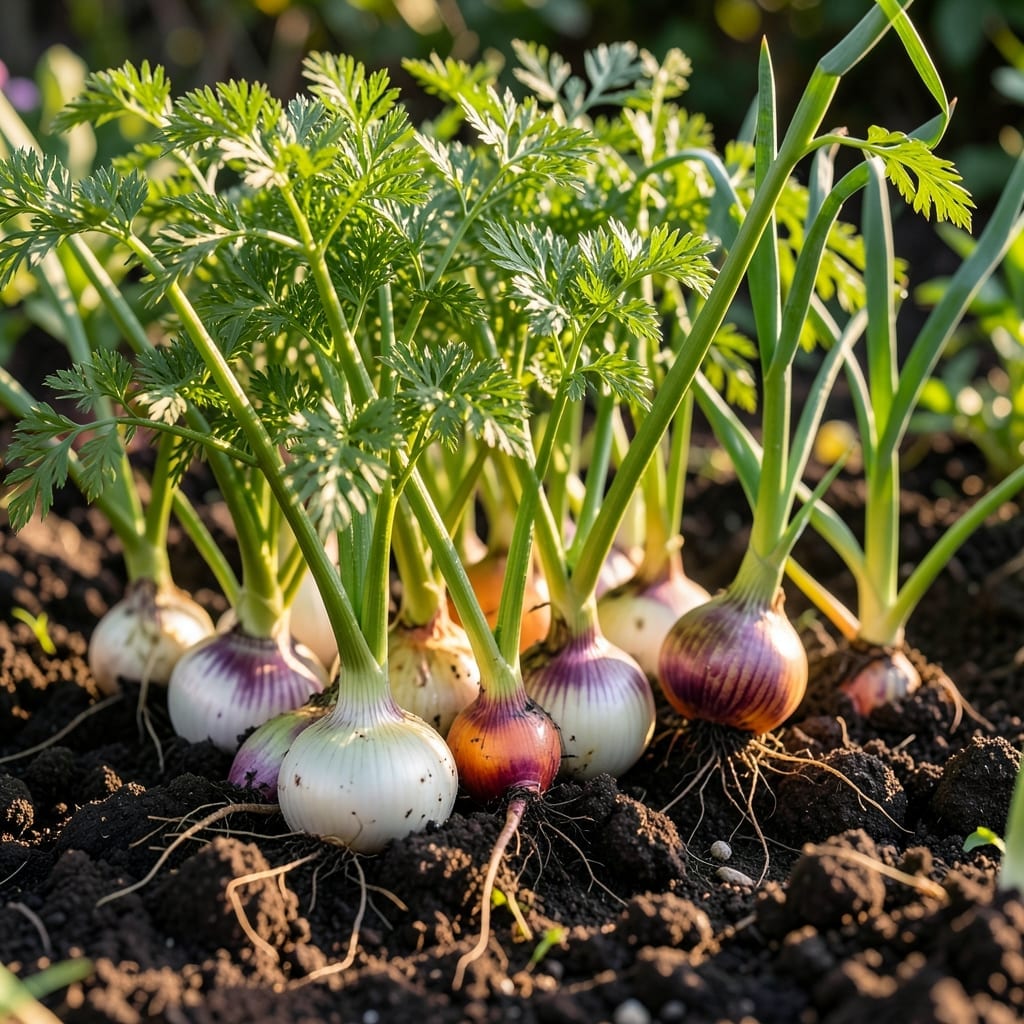
Struggling with carrot flies ruining your harvest? Planting onions nearby creates a natural pest barrier that keeps these destructive insects away from your carrots.
The pungent scent of onions confuses and repels carrot flies, while the carrots’ deep roots naturally aerate the soil, making it easier for onion roots to grow. Space them 6-8 inches apart in the same row for maximum benefit.
This pairing is ideal for organic gardeners who want to protect their crop without chemicals. Both plants thrive in loose, well-draining soil. 🌱

Looking for a perfect partnership that works as hard as you do? Pole beans and corn form a classic duo that’s been cultivated together for centuries in Native American Three Sisters gardens.
The beans naturally fix nitrogen in the soil, providing the nutrient that corn craves for strong growth. Meanwhile, the tall corn stalks create a natural trellis for the vining beans to climb, saving you space and staking materials.
This pairing is ideal for gardeners who want to maximize their harvest while improving soil health naturally. Both plants thrive in full sun and well-drained soil. 🌱
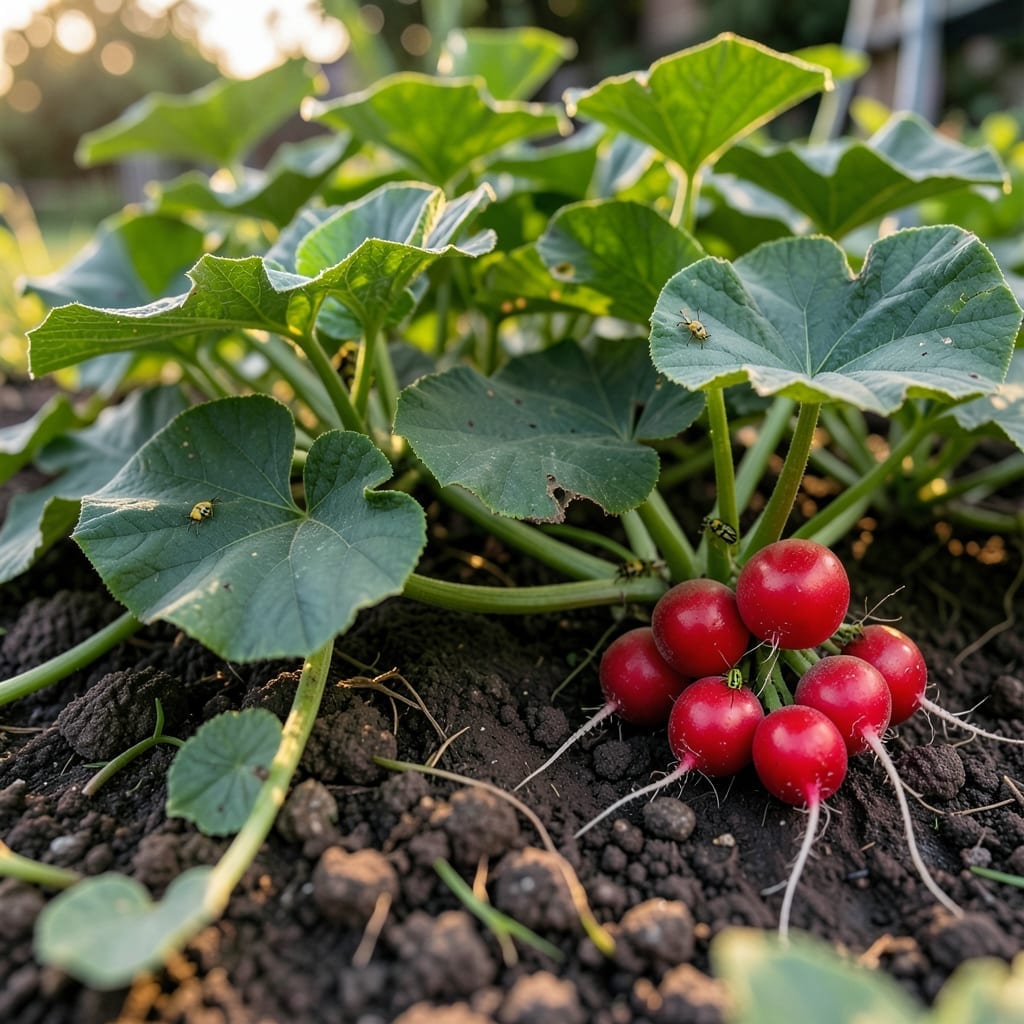
Dealing with cucumber beetles stripping your vines before harvest? Plant radishes alongside your cucumbers as a clever decoy. These quick-growing roots attract the pests away from your main crop.
Radishes mature in just 25-30 days, so you can harvest them before they compete with slower-growing cucumbers. Plant radishes every 2 weeks for continuous beetle protection throughout the season.
This pairing is ideal for organic gardeners who want to protect their cucumber plants without chemicals. The radishes serve as a sacrificial crop that keeps your cucumbers thriving. 🌱
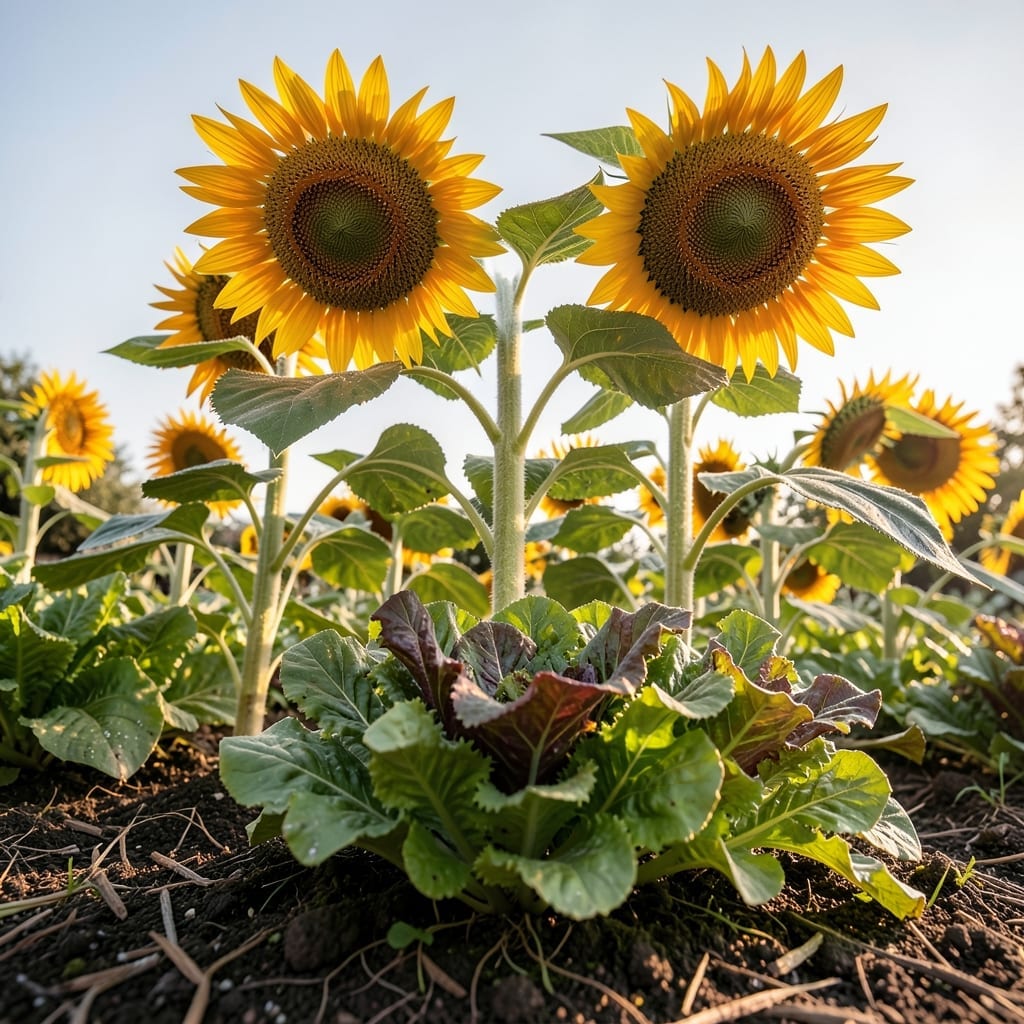
Watching your lettuce bolt in summer heat? Plant it beneath towering sunflowers to create a natural shade canopy that keeps leaves cool and crisp during peak afternoon temperatures.
The sunflowers’ deep root system pulls moisture from lower soil layers, preventing competition with shallow-rooted lettuce. This pairing extends your lettuce harvest well into summer months when it would normally wilt.
Perfect for gardeners in warm climates who want to enjoy fresh greens all season long without the hassle of shade cloths or frequent watering. 🌿
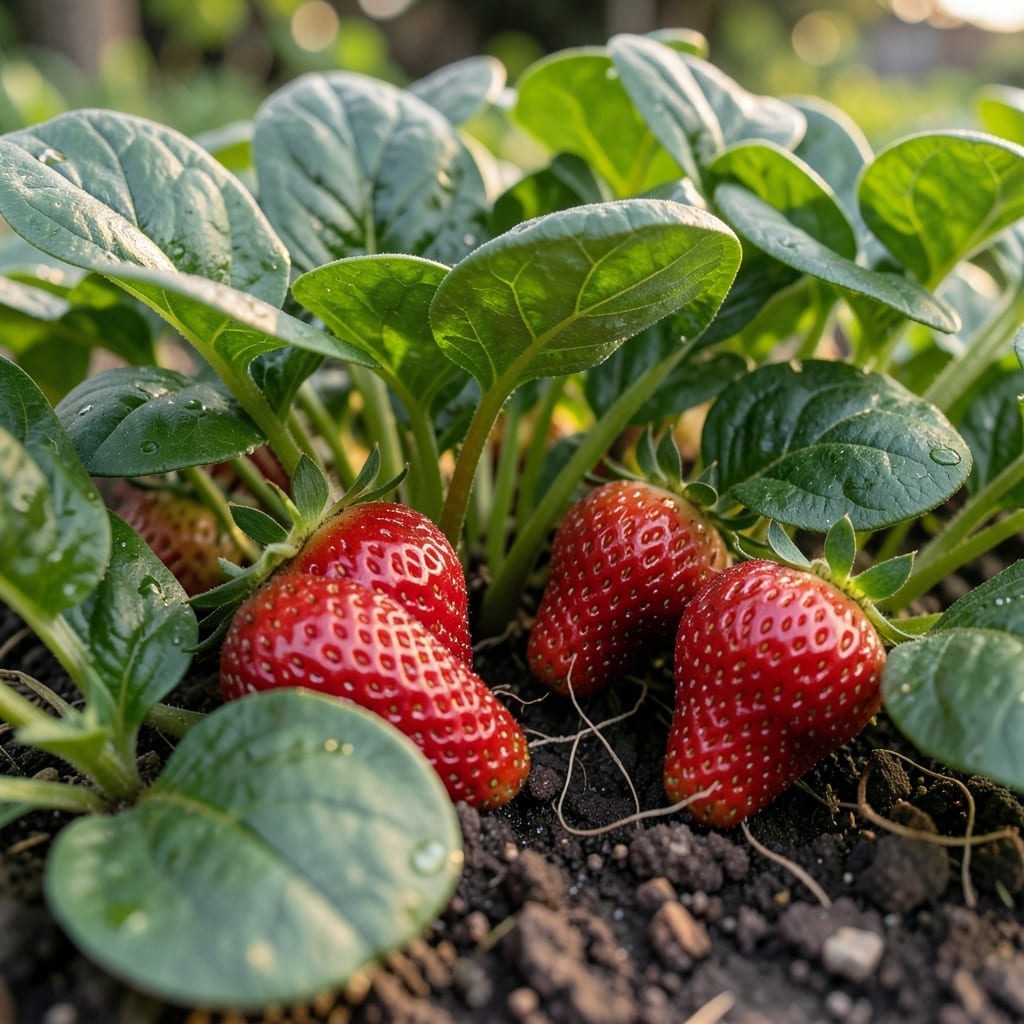
Want sweeter strawberries with less watering effort? Plant them with spinach to create a low-maintenance, mutually beneficial pairing that thrives together.
Spinach’s shallow roots won’t compete with strawberries’ deeper ones, and its dense foliage acts as a living mulch, retaining soil moisture that strawberries need for juicy, flavorful fruit. This duo is perfect for gardeners in dry climates or those with limited water resources.
You’ll enjoy a double harvest while keeping your strawberry patch healthier and more productive with minimal extra work. 🌱
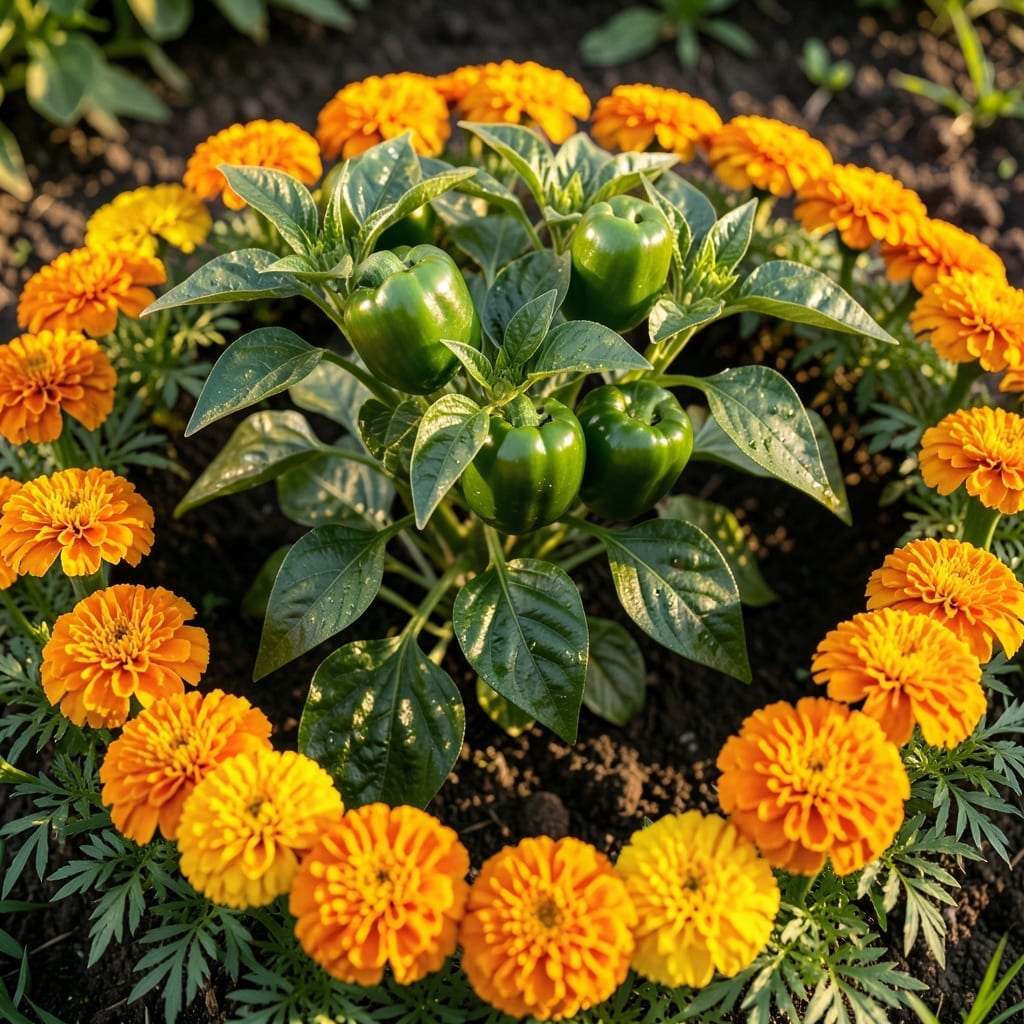
Struggling with nematodes or aphids attacking your pepper plants? Marigolds are nature’s pest control, emitting a scent that repels these common garden invaders while brightening your veggie patch with their cheerful blooms.
Plant French marigolds (Tagetes patula) around your peppers for the best protection. They release alpha-terthienyl, a compound that deters nematodes in the soil for up to a year after planting. Space them about 12 inches from pepper stems for optimal coverage.
This colorful duo is perfect for organic gardeners who want vibrant, low-maintenance pest protection that works as hard as it looks beautiful. 🌻
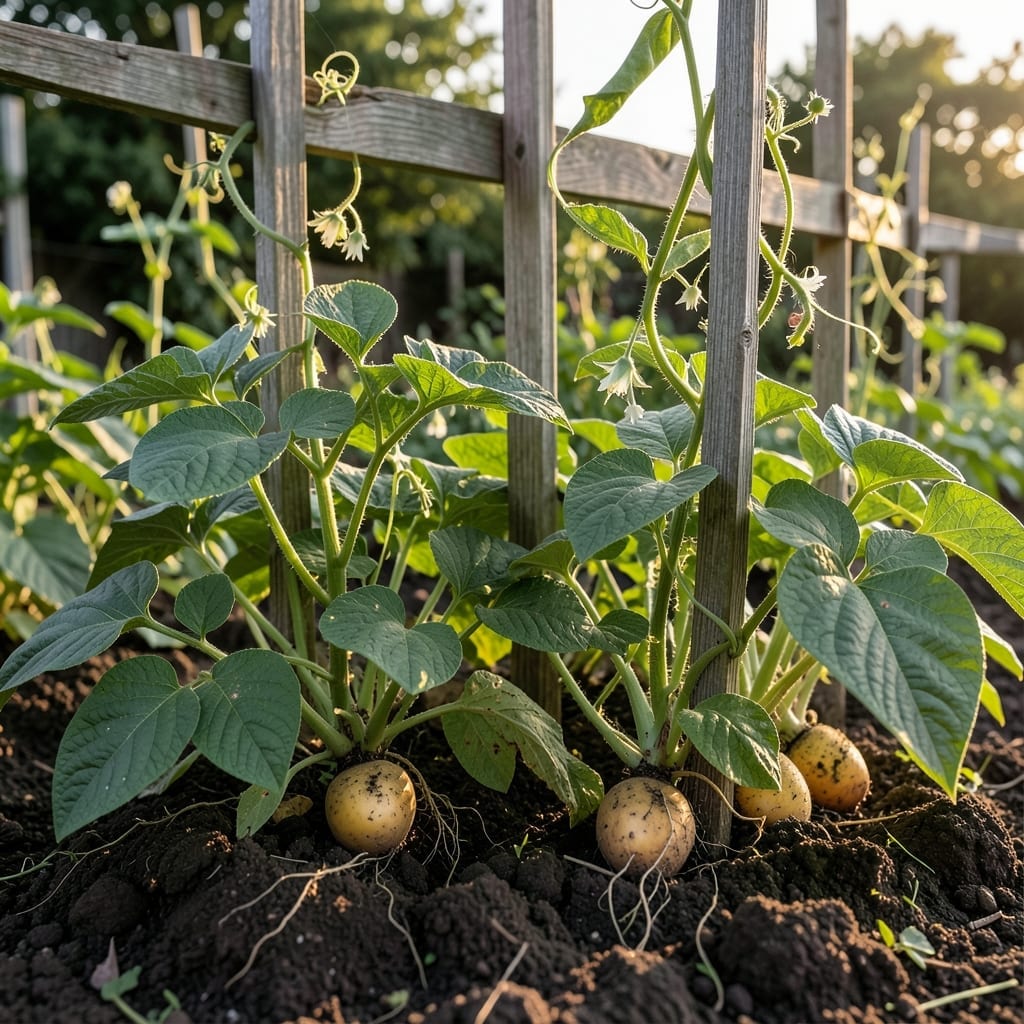
Want to give your potato plants a natural growth boost while protecting your beans? This dynamic duo creates a self-sustaining relationship that benefits both crops without any extra effort from you.
Beans pull nitrogen from the air and convert it into a form that potatoes readily absorb, promoting lush foliage and robust tuber development. Meanwhile, potatoes naturally repel Mexican bean beetles, one of the most destructive pests for bean plants.
This pairing is perfect for organic gardeners who want to improve soil fertility while naturally controlling pests in their vegetable patch. 🌱
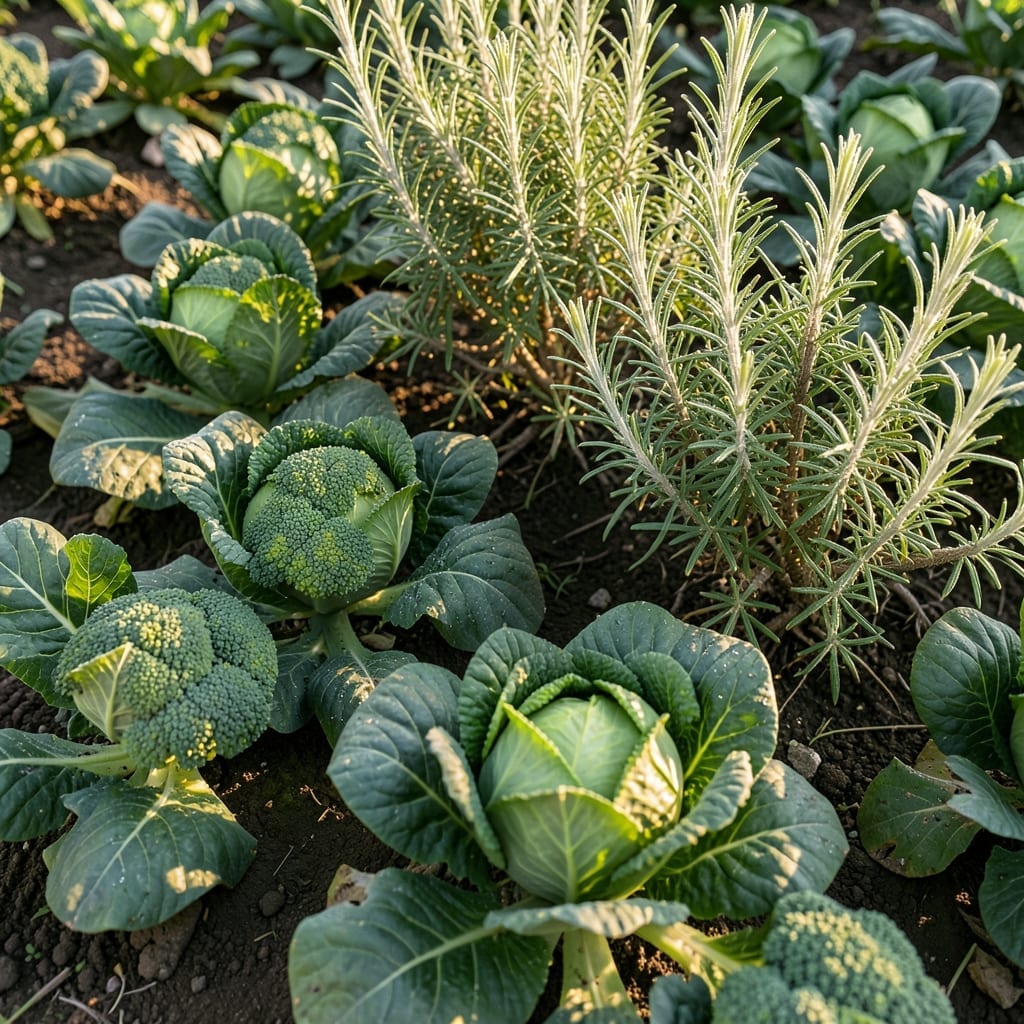
Tired of watching cabbage moths turn your broccoli and cabbage into a buffet? Planting rosemary nearby creates a natural pest barrier that keeps these destructive insects away without harsh chemicals.
The woody herb’s strong fragrance masks the scent of your brassicas, confusing pests before they can lay eggs. Rosemary also thrives in the same full-sun conditions as cabbage family plants, making it an easy, low-maintenance addition to your garden layout.
This pairing is perfect for organic gardeners who want to protect their cruciferous crops while adding a fragrant, drought-tolerant perennial to their landscape. 🌿
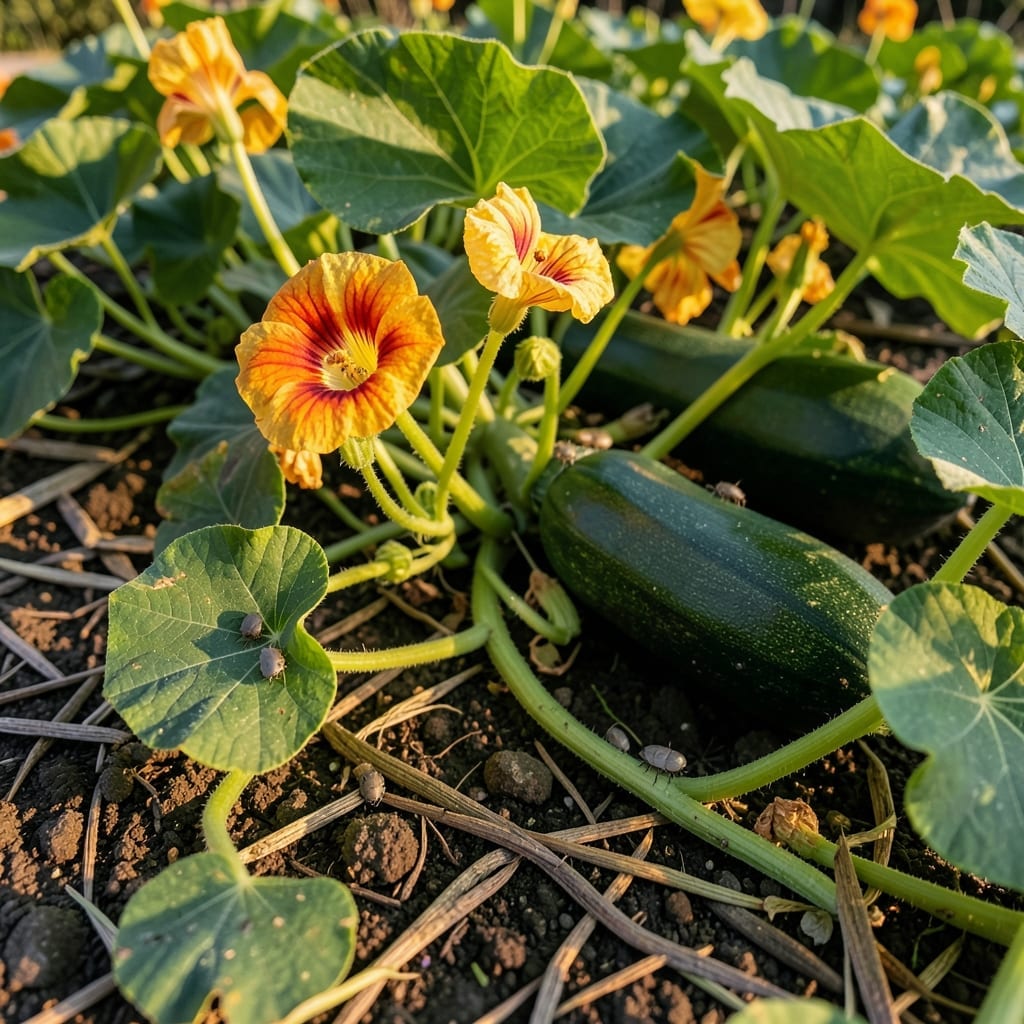
Squash bugs wreaking havoc on your zucchini and summer squash? Plant nasturtiums as a sacrificial buffer to lure these pests away from your main crop.
The bright, trailing nasturtiums act as a magnet for squash bugs, which prefer to lay their eggs on the nasturtium leaves instead. You get the added bonus of edible, peppery flowers that brighten your garden and can be used in salads.
This pairing is perfect for organic gardeners who want to protect their squash plants while adding colorful, low-maintenance blooms to their vegetable patch. 🌻