
Beautiful Plants For Your Interior
Beautiful Plants For Your Interior
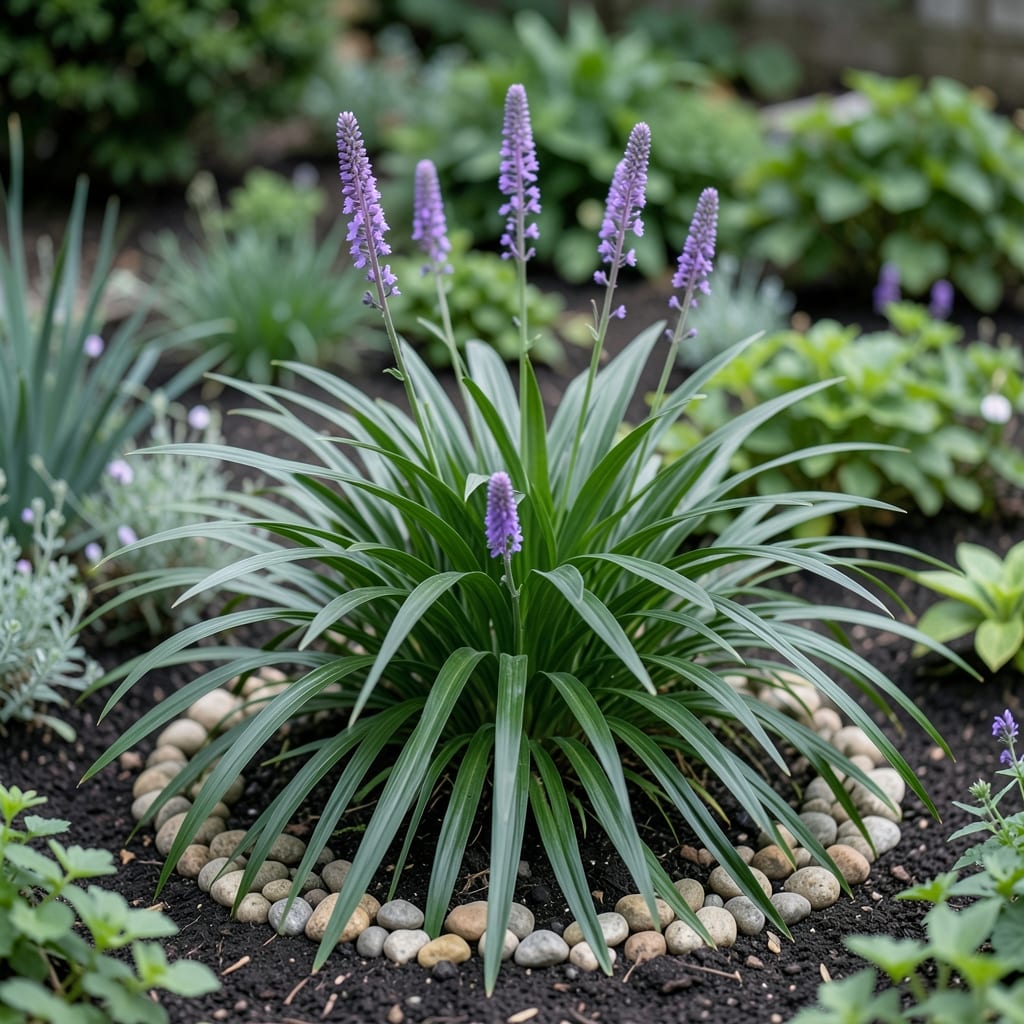
Last summer, my liriope patch went from lush to lifeless in 3 weeks. Crown rot was the culprit, and I learned the hard way that prevention beats cure every time.
This sneaky disease thrives in soggy soil and poor drainage. Overwatering, heavy clay, or planting too deep creates the perfect storm for rot to take hold.
I saved most of my plants by catching it early and adjusting my care routine. The key is spotting the telltale yellowing and wilting before it spreads underground.
With a few simple changes to your watering habits and soil prep, you can keep your liriope healthy and prevent this silent killer from striking your garden.
Liriope crown rot is a frustrating fungal disease that attacks the base of the plant, often leading to wilting, yellowing, and death. Several key factors contribute to its development, all tied to environmental conditions and plant care practices.
Excess moisture is the #1 cause of crown rot in liriope. When soil stays soggy, Phytophthora and Pythium fungi thrive, infecting the crown—the critical junction where roots meet stems. Heavy clay soils or compacted beds worsen the problem by trapping water. Action: Amend soil with compost or sand to improve drainage, and water only when the top inch of soil is dry.
Liriope planted in dense, shaded areas with little air circulation creates a perfect breeding ground for fungi. Stagnant, humid air keeps foliage wet for extended periods, allowing spores to germinate and infect the crown. Action: Space plants 12–18 inches apart, prune nearby overgrowth, and avoid overhead watering to reduce leaf wetness.
Crown rot fungi are most active in temperatures between 75–85°F (24–29°C) with prolonged rainfall or irrigation. These conditions accelerate spore spread and infection. Action: Monitor weather forecasts; reduce watering during wet spells and apply a copper-based fungicide preventatively in high-risk seasons.
Fungal spores can linger in soil or on gardening tools, infecting healthy liriope when introduced during planting or pruning. Action: Sterilize tools with rubbing alcohol between uses, and avoid reusing soil from previously infected plants.
Tackling liriope crown rot starts with addressing its root causes. Below are targeted fixes for common triggers, paired with prevention tips to keep your plants thriving.
If soggy soil is the culprit, reduce watering frequency and let the top 1–2 inches of soil dry out between sessions. Improve drainage by amending heavy clay soil with compost or sand. For potted liriope, ensure containers have drainage holes. Prevention tip: Water early in the day so foliage dries quickly. 💡
Fungal crown rot spreads fast. Prune affected leaves and stems with sterilized shears, and discard them (don’t compost!). For severe cases, apply a copper-based fungicide or a natural option like neem oil. Prevention tip: Space plants 12–18 inches apart for airflow, and avoid overhead watering. ✨
Overcrowded roots trap moisture and encourage rot. Divide clumps every 3–4 years in early spring or fall. Use a garden fork to gently loosen soil around the crown. Prevention tip: Mulch lightly with pine bark to deter excess moisture while allowing airflow. 🎯
Dirty tools spread pathogens. Clean pruners and shovels with rubbing alcohol or a 10% bleach solution between uses. Prevention tip: Store tools in a dry place to prevent rust and bacterial growth. 🌡️
Consistency is key—monitor your liriope weekly for early signs of stress, and act fast to keep crown rot at bay.
Early symptoms include yellowing leaves and wilting, especially in the center of the plant. The rot typically starts at the crown, where stems meet the roots.
If the rot has spread extensively, removal is often best to prevent infecting nearby plants. For mild cases, prune affected areas and apply fungicide immediately.
Water only when the top 1-2 inches of soil are dry. Overwatering is the most common cause of crown rot in these plants.