
Beautiful Plants For Your Interior
Beautiful Plants For Your Interior
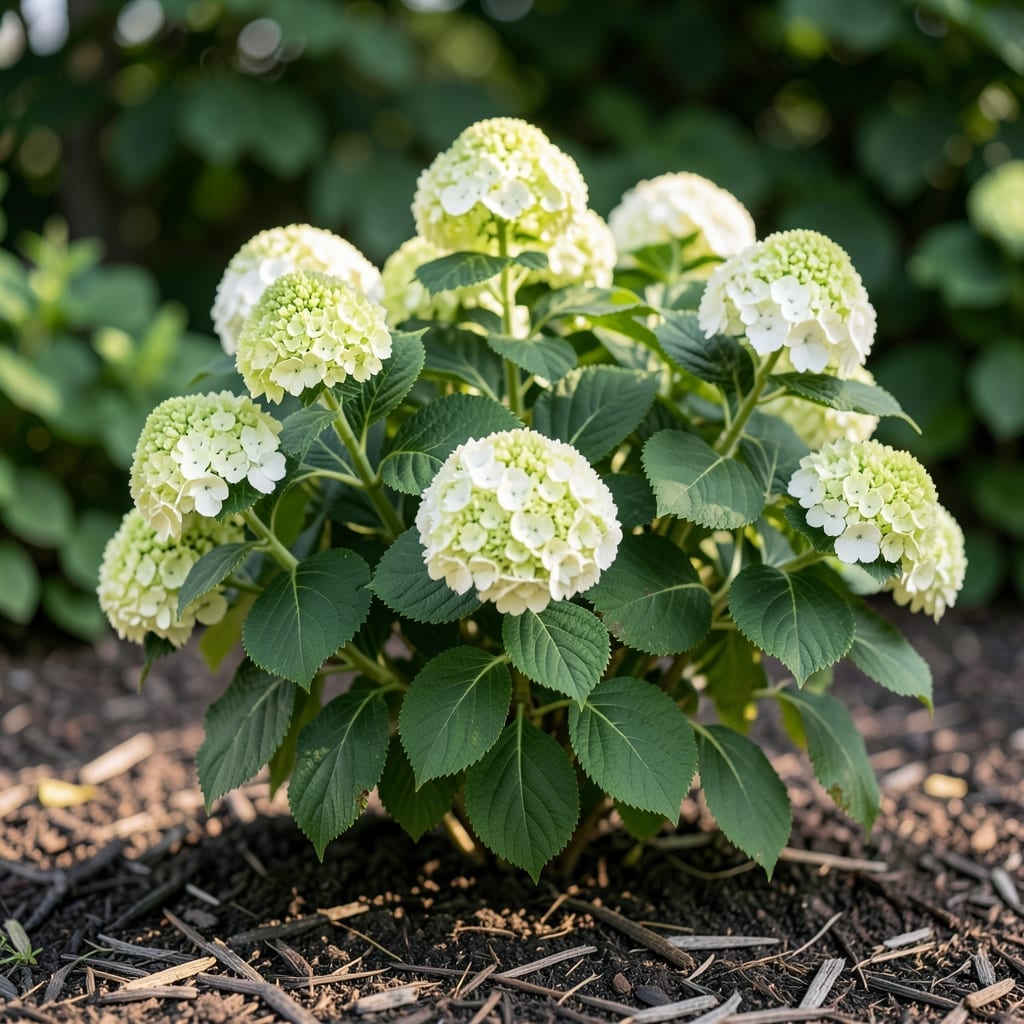
I’ve seen too many gardeners struggle with their Limelight Hydrangeas 🌸 simply because they misunderstood the sun requirements. These stunning shrubs thrive when given the right balance of light and shade.
Getting this balance wrong can mean the difference between vibrant blooms and a lackluster display. Whether you’re a beginner or a seasoned gardener, understanding the optimal exposure is the key to success.
In this guide, I’ll walk you through everything you need to know about sunlight for your Limelight Hydrangea. From regional variations to practical tips, you’ll learn how to create the perfect environment.
Let’s ensure your garden shines with those gorgeous lime-green to creamy white blooms all season long.

Getting the sun exposure right for Limelight hydrangeas can make or break their blooming potential. These hardy shrubs thrive in partial shade, but their needs vary by climate zone and local conditions. 🌿
In cooler climates like USDA zones 3-5, Limelight hydrangeas can handle more direct sunlight, often flourishing with 6 hours of morning sun. However, in hotter regions (zones 6-8), afternoon shade becomes critical to prevent leaf scorch. ☀️
| Climate Zone | Ideal Sun Exposure | Key Considerations |
|---|---|---|
| Zones 3-5 | 6 hours sun | Morning sun, afternoon shade |
| Zones 6-7 | 4-6 hours sun | Dappled shade in peak heat |
| Zone 8 | 3-4 hours sun | Full afternoon shade required |
I always recommend observing your garden throughout the day to identify microclimates. A spot that gets gentle morning light might be perfect, while an area with intense afternoon sun could stress the plant. 🌱
In humid climates, Limelight hydrangeas benefit from extra air circulation. Plant them where they’ll get morning sun to dry dew quickly, reducing fungal disease risk. This is especially true in the Southeast. ✂️
For container-grown hydrangeas, you have more control. I move my pots to follow the ideal light conditions as seasons change. In summer, I ensure they’re in bright, indirect light for most of the day. 🪴
If you’re in a very hot area, consider using shade cloth during the hottest part of the day. A 30-40% shade cloth can protect your hydrangeas while still allowing enough light for vibrant blooms. ☀️
Soil moisture also plays a role in sun tolerance. Well-draining soil with consistent moisture helps hydrangeas handle more sun. Mulching with organic material can keep roots cool and moist. 💧
Remember, young plants are more sensitive to sun exposure than established ones. Give new Limelight hydrangeas extra shade during their first growing season to help them establish strong roots. 🌿
Finally, monitor your plants for signs of stress. If leaves start turning brown or wilting, it might be a sign they’re getting too much sun. Adjust their location and watch for improvement within a week. 🌳
I’ve found that Limelight hydrangeas often show weak stems when they lack proper sunlight exposure. These plants need enough light to support their large, cone-shaped blooms.
Another telltale sign is sparse flowering. If your shrub produces fewer blooms than expected, it might be begging for more direct sunlight or better-quality light.
⚠️ Watch for These Sun Deficiency Signs
• Yellowing leaves between veins indicate insufficient light for proper chlorophyll production.
• Leggy growth with long spaces between leaves shows the plant is stretching for light.
• Small or pale blooms suggest the shrub isn’t getting its 4-6 hours of sun daily.
In my experience, leaf yellowing often appears first. This happens because the plant can’t produce enough chlorophyll without adequate light exposure. It’s a classic sign of starvation for sunlight.
You might also notice long, spindly stems with widely spaced leaves. This leggy growth is the plant’s desperate attempt to reach for more light, which weakens its structure over time.
For container-grown Limelight hydrangeas, these symptoms often appear faster. The confined roots can’t compensate for poor light, so regular monitoring is essential for potted specimens.
If you spot these signs, try moving your hydrangea to a spot with morning sun and afternoon shade. This combination often provides the perfect balance for vibrant blooms and healthy growth. ☀️