
Beautiful Plants For Your Interior
Beautiful Plants For Your Interior
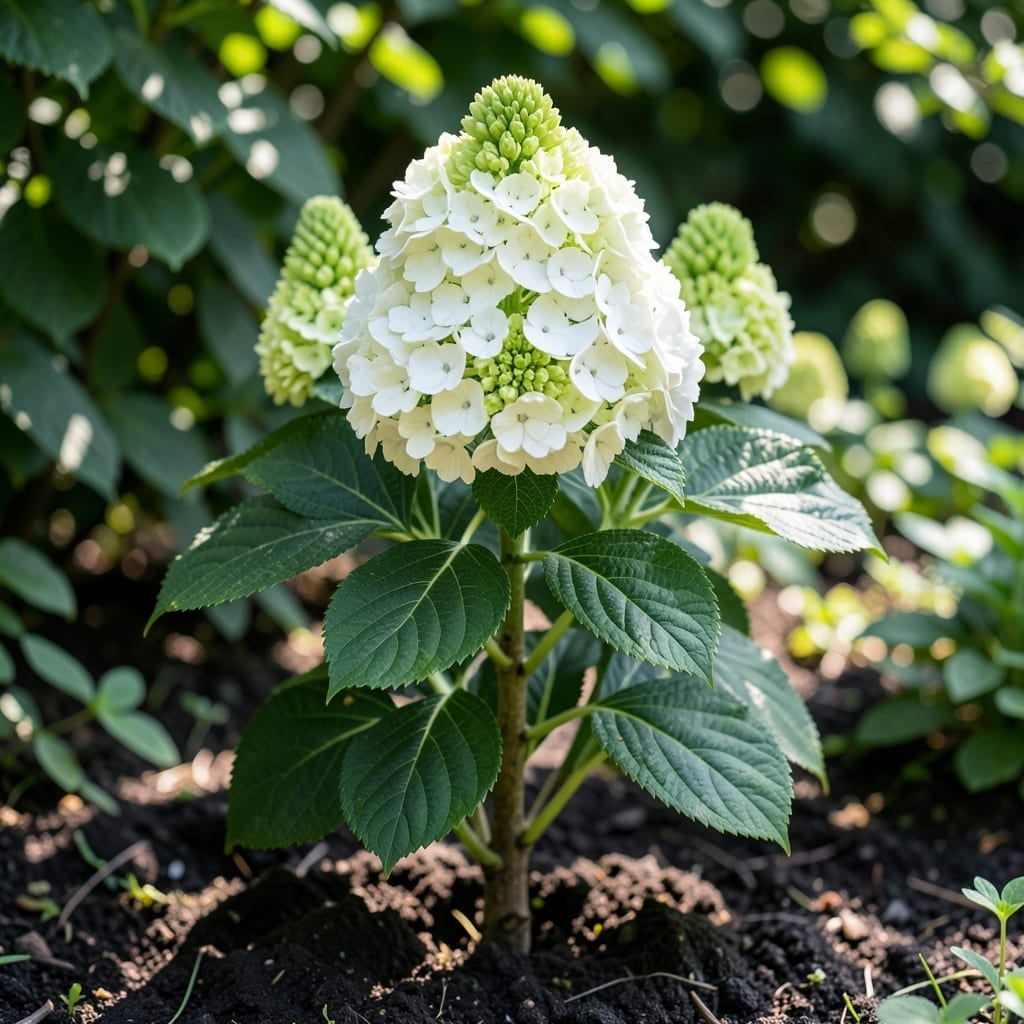
There’s something magical about watching Limelight Hydrangea 🌸 blooms transform from lime-green to soft pink as summer fades. But here’s what most gardeners miss: light is the make-or-break factor for these showstoppers.
Unlike finicky plants that demand perfect conditions, these hardy shrubs adapt well to partial shade. That means even if your yard doesn’t get full sun all day, you can still enjoy stunning flowers.
I’ve seen too many gardeners struggle with weak blooms or leggy growth because they got the light balance wrong. The good news? With a few simple adjustments, you can create the ideal environment.
Discover how to position your Limelight Hydrangeas for maximum impact, whether you’re in zone 3 or 9. Your most vibrant garden season starts with understanding these light secrets.

I’ve found that Limelight hydrangeas flourish best with 4-6 hours of morning sun followed by afternoon shade. This balance prevents leaf scorch while encouraging those iconic lime-green blooms to reach their full potential.
The intensity of light directly impacts both bloom size and flower color. Too much harsh afternoon sun can fade the blooms, while too little light may result in smaller, less vibrant flowers.
| Requirement | Specification |
|---|---|
| Ideal Sun Exposure | 4-6 hours morning sun + afternoon shade |
| Minimum Light | 3-4 hours daily |
| Hot Climate Adjustment | More afternoon shade |
| Cool Climate Tip | Can handle more sun |
In hotter climates, I recommend providing extra shade during the peak afternoon hours to protect the foliage from scorching. A spot with dappled sunlight under tall trees works beautifully.
For cooler regions, these hydrangeas can tolerate more direct sunlight, sometimes up to 6-8 hours without issue. Just monitor the soil moisture, as more sun means more frequent watering.
The best light quality comes from east-facing exposures, which offer gentle morning sun and natural afternoon shade. West-facing spots can work too, but may require additional protection from intense late-day rays.
If you’re planting near structures, position your Limelight hydrangea where it gets morning light but is shielded from harsh western sun. This mimics its natural woodland habitat conditions.
Remember that light conditions change with the seasons. What’s perfect in spring might be too intense in summer, so be prepared to adjust with temporary shading if needed.
For container-grown specimens, I move my pots to follow the ideal light pattern. A wheelbarrow or plant caddy makes this adjustment easy as the sun’s angle shifts throughout the year.
Finally, observe your plant’s response. Healthy Limelight hydrangeas in proper light will have vibrant green leaves and abundant blooms all season long. ☀️
I know how frustrating it can be when your Limelight hydrangea isn’t blooming as expected. Often, it’s a sign of insufficient light or too much direct sun. These plants thrive with 4-6 hours of morning sunlight and afternoon shade.
Watch for leggy growth or small, pale blooms—these are classic signs your shrub needs more light. Conversely, leaf scorch or wilting may indicate too much intense sunlight, especially in hotter climates.
If your hydrangea has faded blooms, it might be getting too much sun. Try relocating it to an east-facing spot where it gets gentle morning light but avoids harsh afternoon rays.
In cooler climates, Limelight hydrangeas can handle more sun, but in hot regions, they’ll need protection. I’ve found that dappled shade under tall trees works wonders for maintaining vibrant blooms.
Don’t forget to check your soil—moist, well-draining soil helps plants cope with light fluctuations. Mulching can also help retain moisture and regulate soil temperature.
With the right adjustments, your hydrangea will reward you with lush, lime-green blooms all season long. It’s all about finding that perfect balance of light and shade. 🌿