
Beautiful Plants For Your Interior
Beautiful Plants For Your Interior
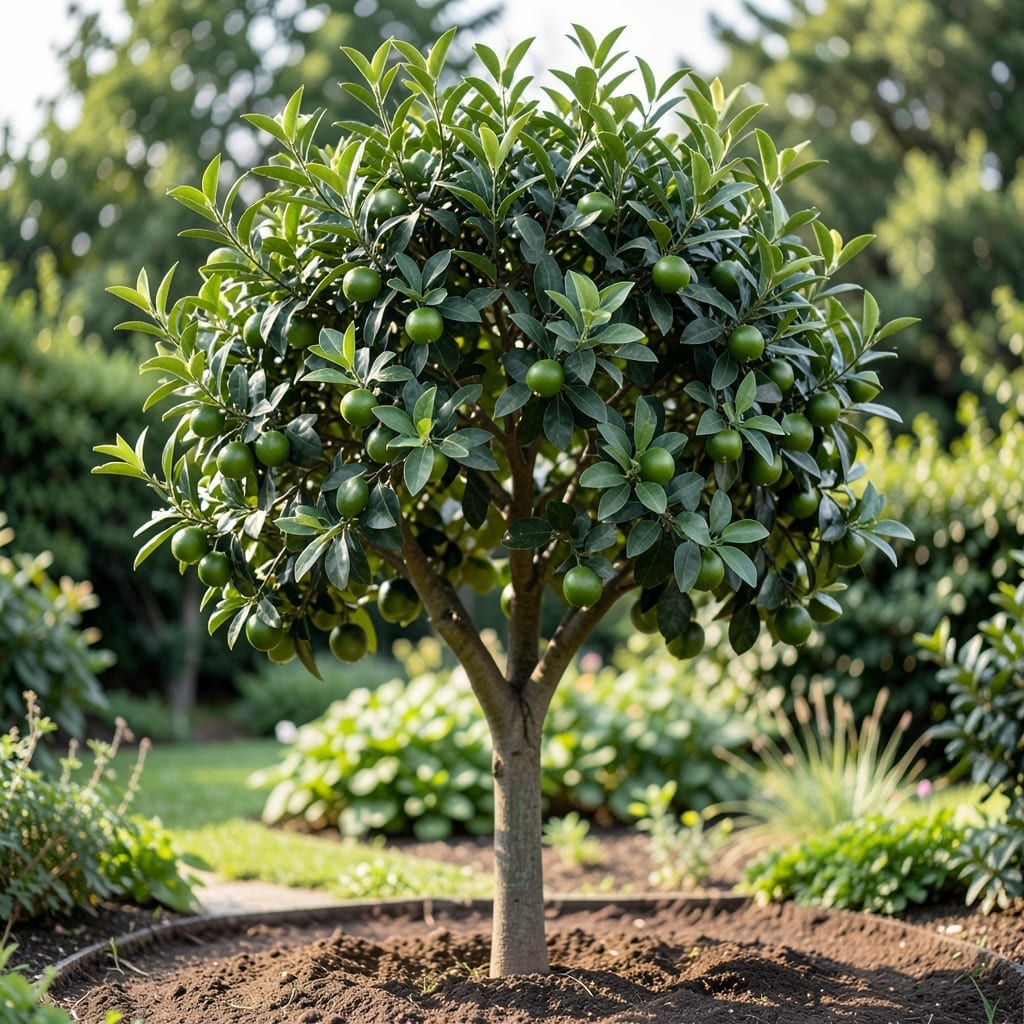
A full-grown Lime Tree 🌳 can turn your backyard into a tropical escape, with fragrant blossoms and fresh fruit ready for picking. Imagine stepping outside to pluck a lime for your next drink or dish.
But before you plant, it’s essential to know what to expect at maturity. These trees can reach impressive heights, and their care needs change as they grow.
I’ll walk you through everything from size and appearance to the best practices for keeping your tree healthy and productive for years to come.
When I think of a full grown lime tree, I picture a lush, 10-20 ft tall centerpiece with a canopy spreading 8-15 ft wide. The exact size depends heavily on the variety you choose.
For example, Key lime trees tend to stay smaller, maxing out around 12-15 ft, while Persian limes can push toward the upper limit. Bearss limes, a hybrid, often fall in the middle range.
| Variety | Mature Height | Mature Spread |
|---|---|---|
| Key Lime | 12-15 ft | 8-10 ft |
| Persian Lime | 15-20 ft | 10-15 ft |
| Bearss Lime | 12-18 ft | 8-12 ft |
The rootstock also plays a huge role in final size. Dwarf rootstocks can keep even Persian limes under 10 ft, perfect for small gardens or containers.
In contrast, standard rootstocks allow trees to reach their full potential. I’ve seen in-ground Bearss limes in USDA zones 9-11 hit 18 ft with proper care and space.
Climate impacts size too. In cooler zones, lime trees may stay smaller or grow slower. Container-grown trees are naturally limited by pot size, typically topping out around 6-8 ft.
This size variation is why I always recommend planning your space before planting. A full sun location with well-draining soil gives your tree the best chance to thrive.
Spacing is critical—plant at least 10-15 ft from other trees or structures to avoid crowding. For dwarf varieties, 6-8 ft of clearance is usually sufficient.
Pruning helps manage size and shape, especially for container trees. I like to prune mine in early spring to encourage new growth and maintain a balanced shape.
Remember, a healthy lime tree can live 50+ years with proper care, so choose a spot where it can grow undisturbed for decades. ☀️
If you’re working with limited space, dwarf varieties or container planting are excellent options. Just ensure the pot is large enough to support the root system.
Once your lime tree reaches full size, its care needs shift slightly. I’ve found that consistent watering is key, especially during dry spells. Aim for a deep soak once or twice a week, depending on your climate.
A balanced fertilizer like 10-10-10 works wonders. I apply it every 4-6 weeks during the growing season, but ease off in winter when the tree is dormant. This keeps the soil rich and supports fruit production.
Pruning is another critical task. I prune my lime trees in early spring to remove dead or crossing branches and open up the canopy for better airflow. This also helps shape the tree and encourages new growth.
Keep an eye out for common pests like aphids and citrus leafminers. I use neem oil or insecticidal soap for a natural solution. For diseases like citrus canker, remove affected branches immediately to prevent spread.
In cooler climates, winter protection is a must. I wrap my lime trees in frost cloth or move container-grown trees indoors when temperatures drop below 32°F. This prevents cold damage to the foliage and fruit.
Finally, mulching helps retain moisture and suppress weeds. I apply a 2-3 inch layer of organic mulch around the base, keeping it a few inches away from the trunk to avoid rot. This simple step makes a big difference in overall tree health. 🌿